Hyundai Artlab Watch Page
The Artlab Editors discuss how artists and cultural platforms are finding new and more expansive ways to consider the practice, keeping, and display of the archive.
Since the advent of the internet, our ability to create archives has become increasingly immediate and intimate. Anyone that owns a smartphone carries with them a cloud of data that manifests into thousands upon thousands of images, videos, voice messages, and texts. But where does memory end and archive begin? Can an archive exist outside of the technologies that contextualize it? And how is our current technological landscape shifting our relationship to these databases?
As steadfast supporters of contemporary art practices that exist in liminal and often hard-to-define spaces, Hyundai Artlab has observed firsthand how, without an archive, these works are susceptible to obscurity, lost to the art historical record.
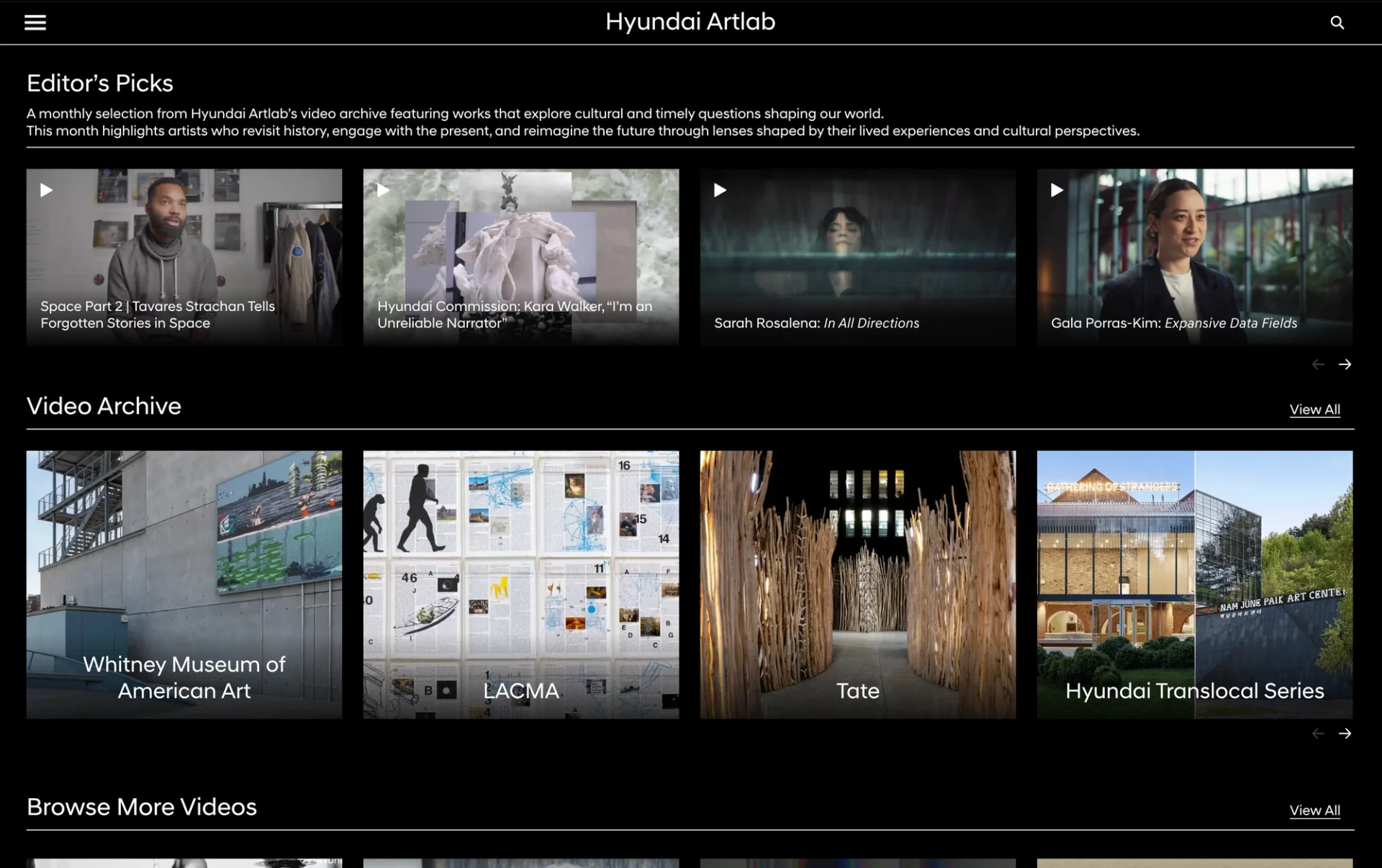
With this in mind, the new Watch page underscores Hyundai Artlab’s commitment to supporting and preserving such slippery, elusive, and experimental mediums by creating a comprehensive visual archive of our partner programs. Here, you will find exclusive interviews and exhibition walkthroughs with visionary artists like Anicka Yi, Tania Bruguera, Kara Walker, Marina Zurkow, and KOO JEONG A; conversations with lead curators at partner institutions; behind-the-scenes looks at how works are made; teasers for upcoming Hyundai Artlab programs; and candid reflections on exhibitions by museumgoers around the world.
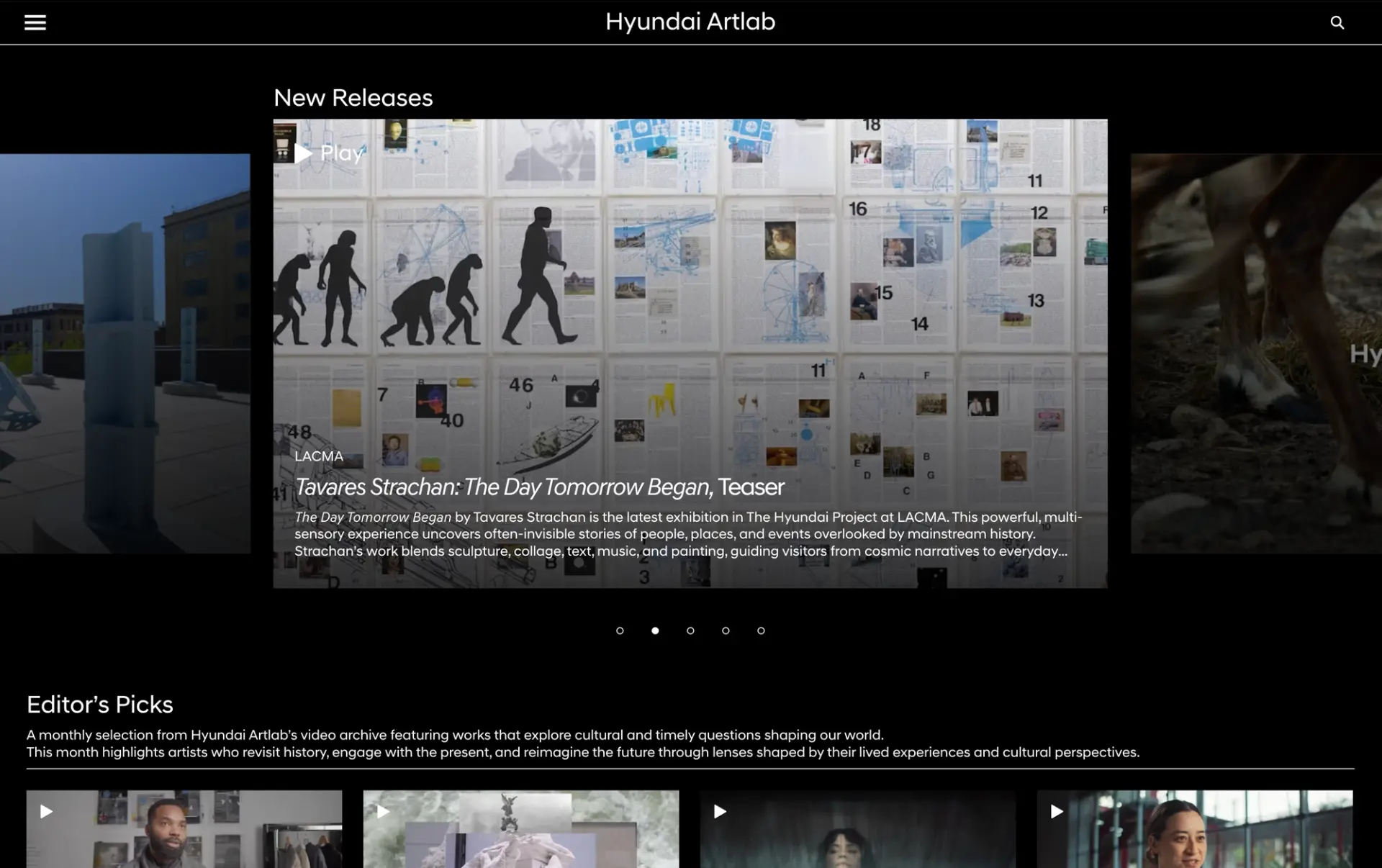
Hyundai Artlab Watch Page
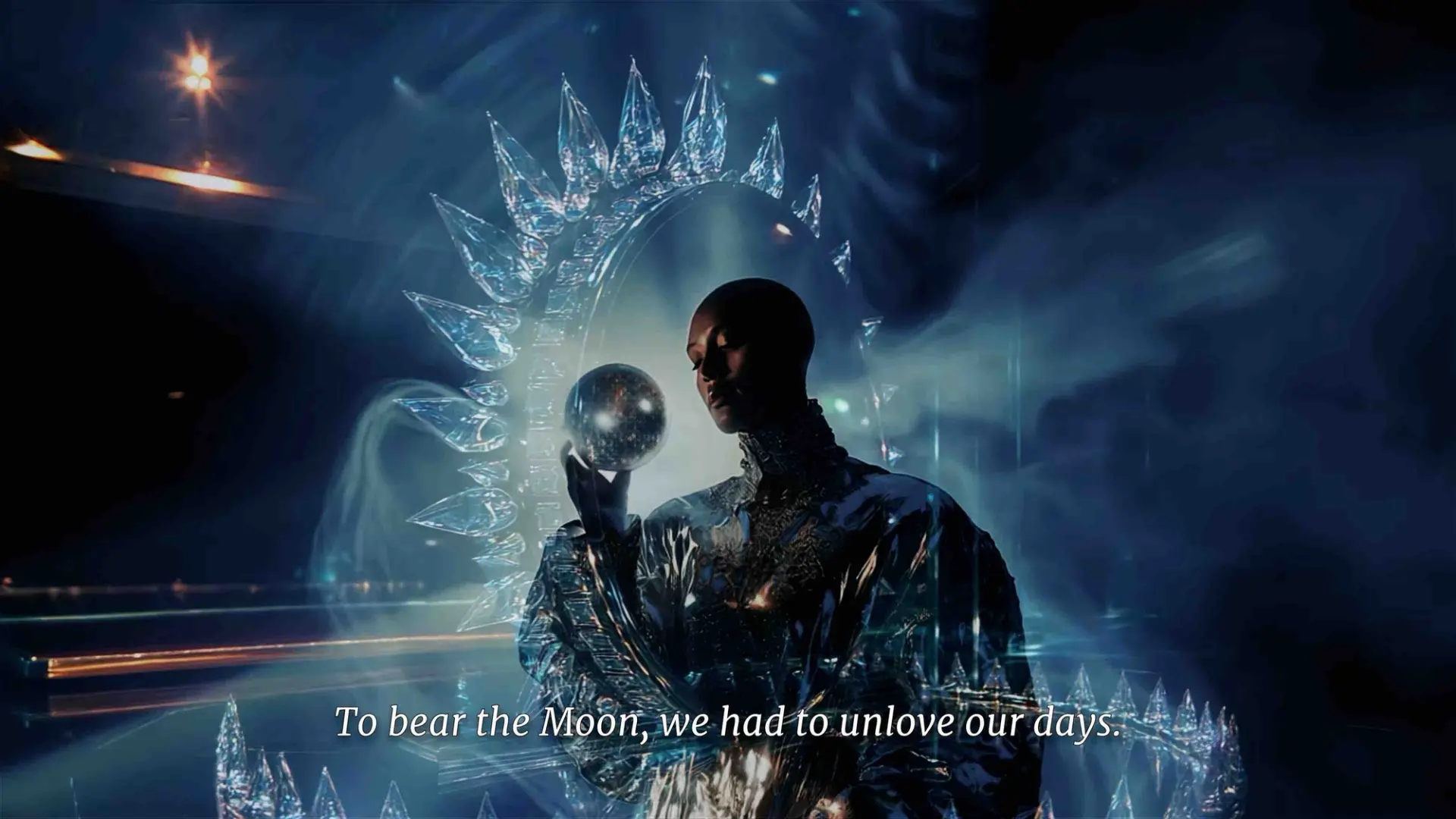
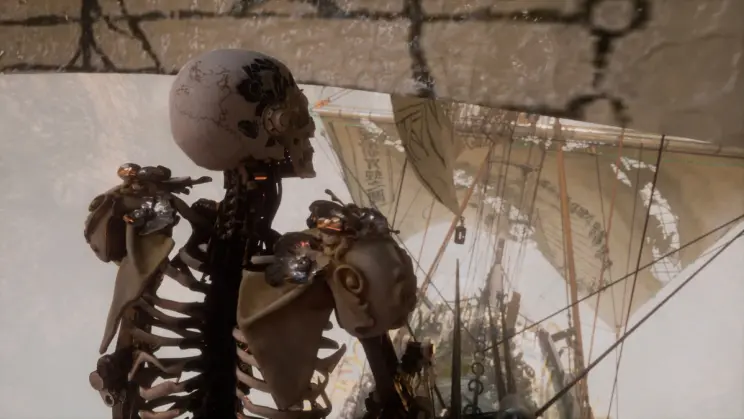
The Watch page is also the perfect place to explore original experimental new media works by VH AWARD finalists past and present. Now in its 6th edition, the VH AWARD is an initiative supporting emerging media artists in Asia. The 6th VH AWARD Grand Prix recipient, Wendi Yan, produced Dream of Walnut Palaces, a CGI film reimagining knowledge exchange between China and Europe in the 18th century.
“I fantasize about an alternate reality in which what eludes measurability today is a scientific pursuit, and our conception of energy easily and acceptably mediates between metaphysical and material planes,” Yan told art critic Dawn Chan in a recent Q&A. You can watch highlights of Yan’s and the current VH AWARD finalists artwork, along with the works of all past VH AWARD finalists, on the Watch page.
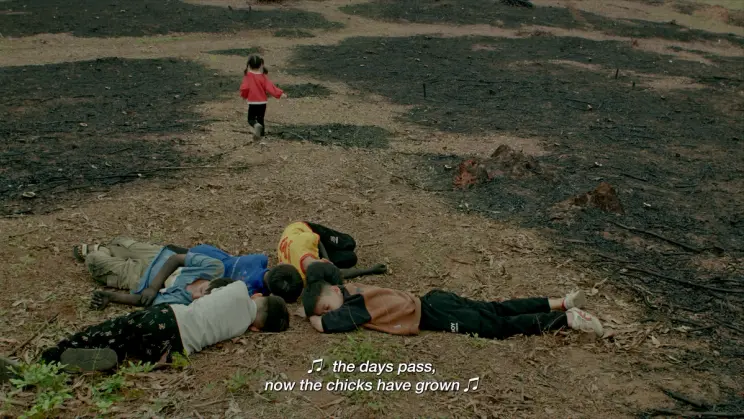
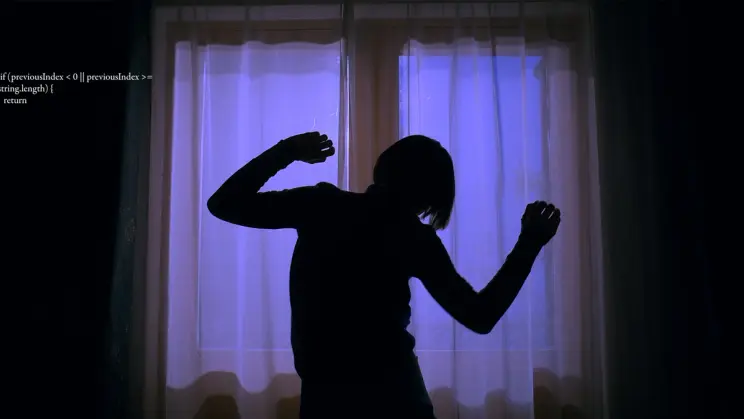
Across continents and media, Hyundai Artlab has worked with artists who reimagine the archive—not as a static repository, but as a dynamic, living force. In taking stock of our own archive, we have encountered the numerous ways contemporary artists are prototyping new systems of record keeping, allowing us to account for the previously unaccountable.
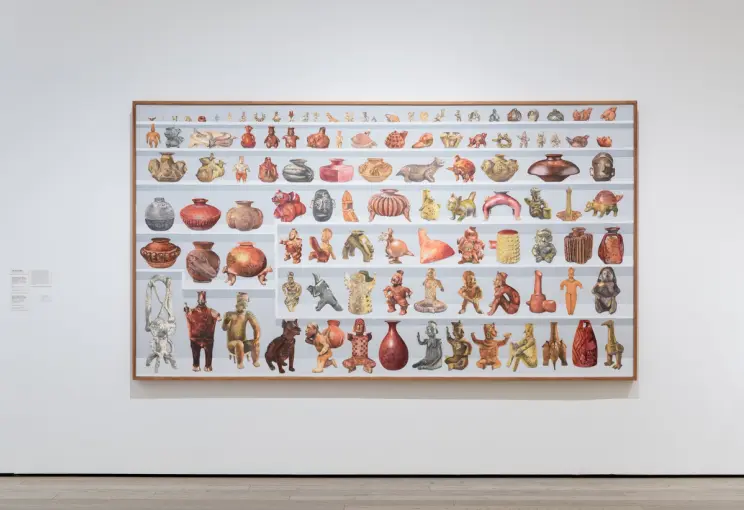
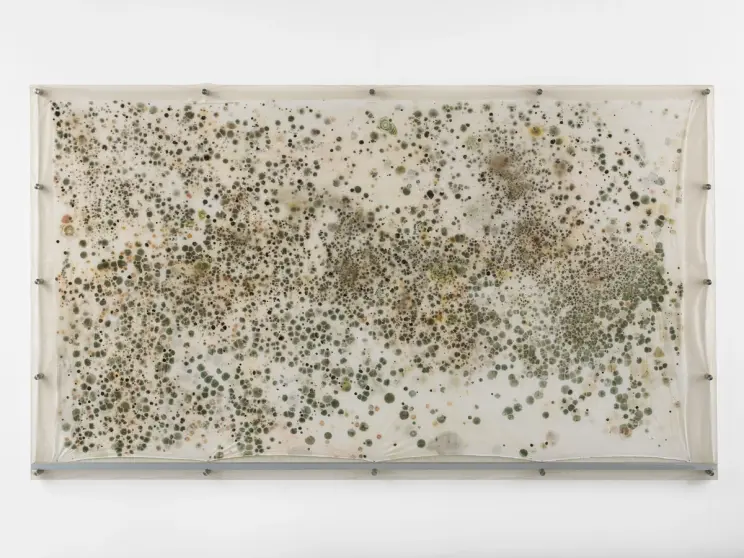
In Gala Porras-Kim: Expansive Data Fields, the 2023 LACMA Art + Technology Lab grant recipient challenges the primacy of institutional timelines by privileging the object’s own lifespan. As Mira Dayal writes, Porras-Kim sees that ancient objects are “just moonlighting as this historical thing.” Within this expanded timeline, “the museum is moving”—its white walls may no longer be standing 200 years from now, a mere blink in the millennia these artifacts have endured. This provocation opens the door to alternative museums, hybrid conservation practices, and more diffuse, tentacular understandings of history.
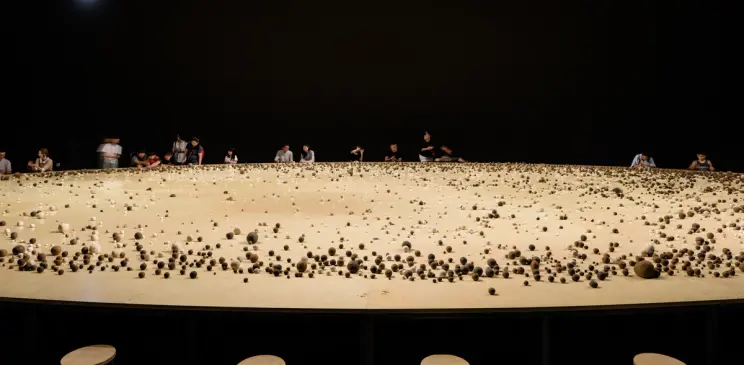
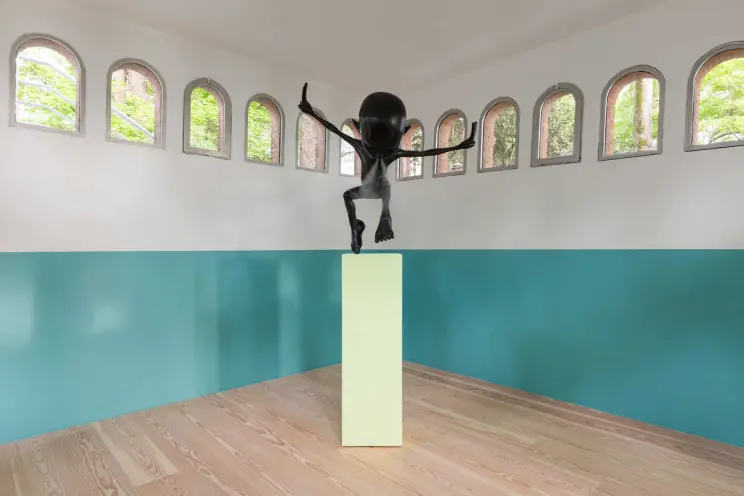
In order to capture the interactive natures of PROJECT HASHTAG 2024 and PROJECT HASHTAG 2023’s exhibitions, Hyundai Artlab sought out more experimental approaches to the archive. For PROJECT HASHTAG 2024, Playing Art Method and Wish Office’s exhibitions were reinterpreted into a board game, creating a decentralized system of record keeping. Meanwhile, PROJECT HASHTAG 2023’s Rice Brewing Sisters Club and lab B’s projects were celebrated through the tactility—and even scent—of print media, experimenting with the medium’s storytelling capacity beyond an exhibition brochure.
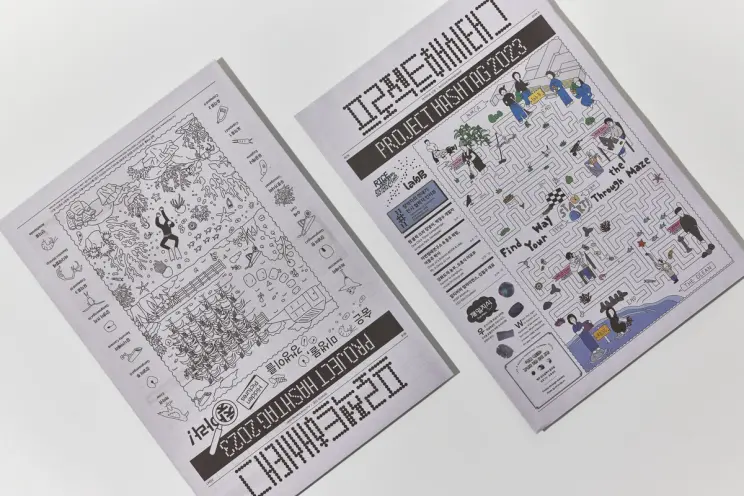
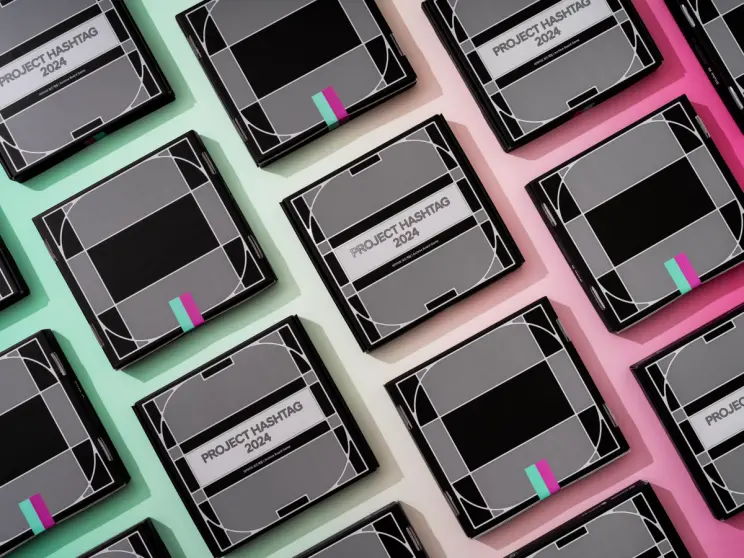
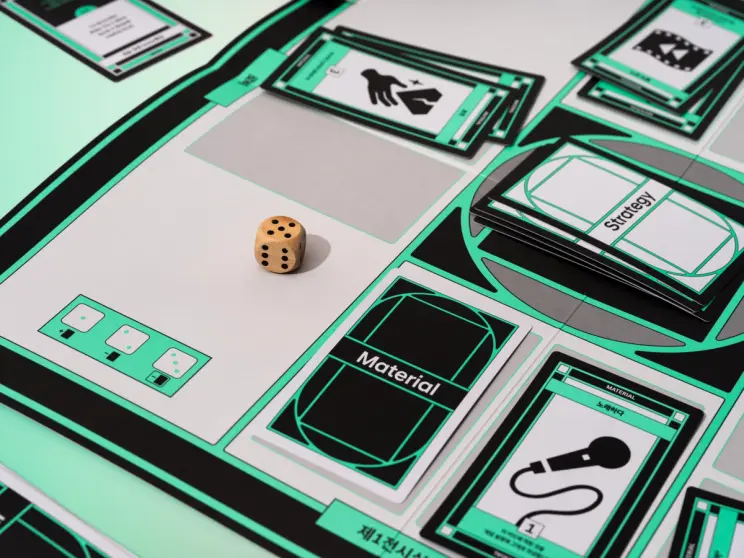
Together, these projects reveal a global shift: away from rigid chronologies and toward multivocal networks of remembering, where the archive is responsive not only to what is kept, but how—and for whom—it is activated.
Earlier this year, in an essay about Electric Dreams: Art and Technology Before the Internet at Tate Modern, curator, critic, and editor Karen Archey mused about the trickiness of researching the exhibition’s topic. “Pre-Internet-age art and technology is an exceedingly difficult topic to research,” writes Archey. “Naturally its activities occurred before the internet and often amid art-adjacent industries (to include film, photography, engineering, and even military technology). Therefore, only a few of its key players are canonized into the traditional Western history of art.”
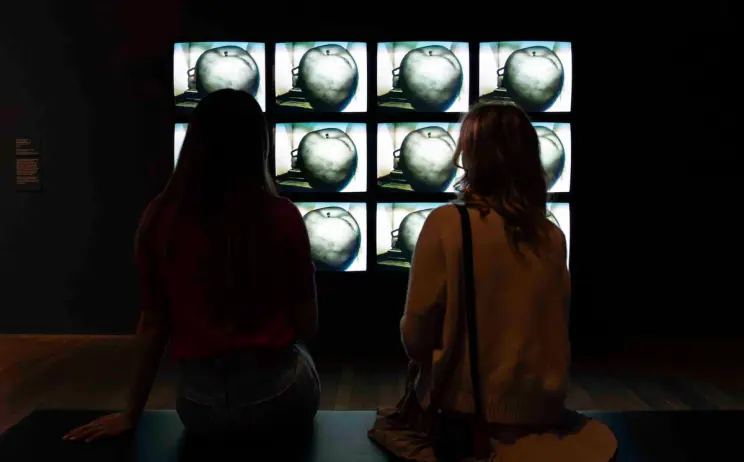
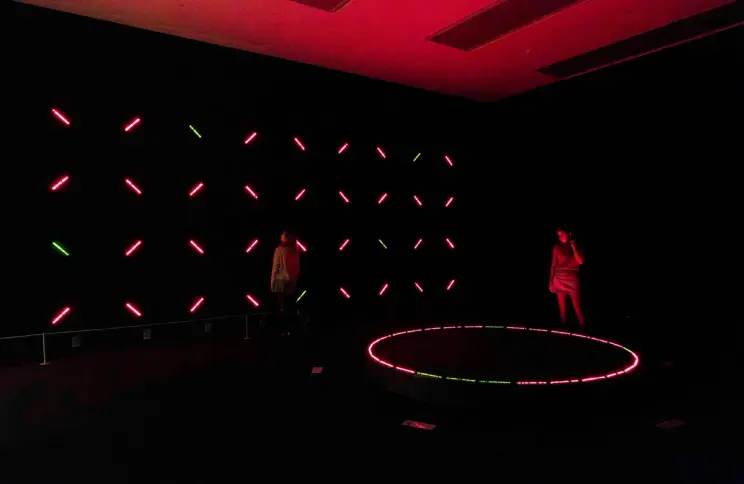
This reflection underscores what Hyundai Artlab has long understood: that without intentional documentation and care, entire practices risk slipping through the cracks of the historical record. As we look ahead, the archive is no longer just a place of preservation—it is a site of experimentation, reinvention, and plural narratives.
Through initiatives like the Artlab Watch page, the VH AWARD, and ongoing partnerships with artists and institutions around the world, Hyundai Artlab is actively engaged in expanding how the archive lives and breathes today. Whether through clay, scent, gameplay, or digital media, the artists we collaborate with are charting new ways of remembering and being remembered.
In this era of hyperconnectivity and accelerated obsolescence, we believe the archive must remain agile, porous, and global. It must make space for the ephemeral, the playful, and the unruly. And above all, it must be a space of possibility, where questions about memory, technology, and cultural inheritance not only persist, but evolve.
Here at Hyundai Artlab, we are actively engaged with these ongoing inquiries and experiments in the archive with the goal of ensuring these questions (and their hypotheses) have a home now and in the future.