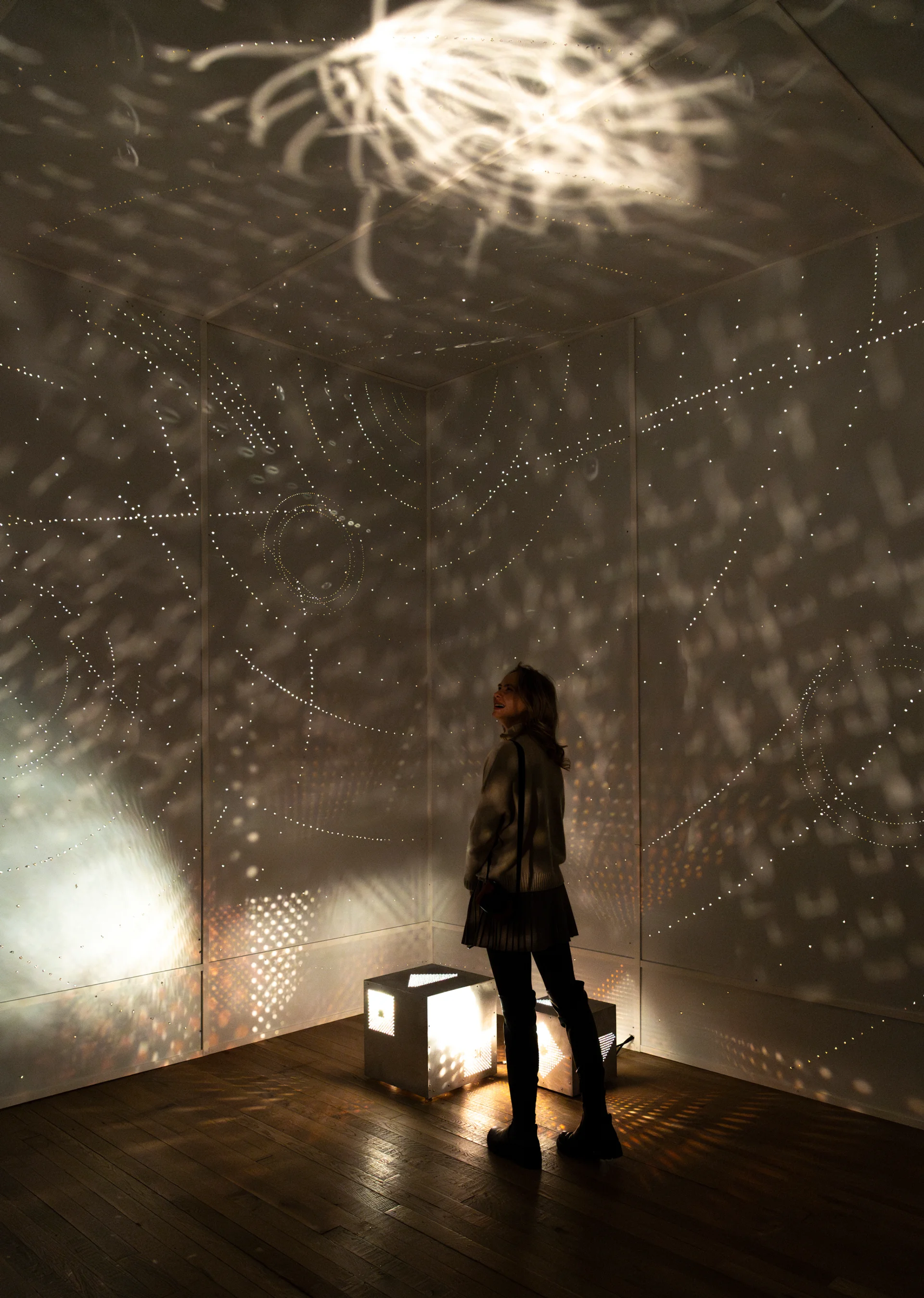
Otto Piene, Light Room (Jena), exhibited 2007, installation view in Electric Dreams, Tate Modern, 2024.
© Otto Piene Estate / DACS 2024. Photo © Tate (Lucy Green).
The Artlab Editors discuss how artists are transforming technology into a space for intimacy, connection, and poetic reflection.
Technology mediates nearly every aspect of our lives. Offering immediacy and convenience, our devices and digital platforms have restructured the ways we interact, perceive, remember, and exist in physical space in subtle (and not-so-subtle) ways.
Within this context, the notion of “intimate technologies” is more pressing than ever. As we increasingly find ourselves steered toward alienation, artists are considering how these tools might be used not just for engagement or efficiency but for the deeper introspection, connection, collectivity, and enchantment we all seem to be yearning for.
Through partner programs, interactive digital commissions, and exhibitions, Hyundai Artlab is foregrounding a vision of contemporary art that aims to reshape technology’s role and potential as a space for shared contemplation and reimagination.
For example, Spencer Chang’s Hyundai Artlab's digital commission, everyday, is a shared meditation on how our habitual digital interactions can manifest as time. Modeled as a constantly evolving digital calendar, everyday transforms ordinary digital gestures—swiping, tapping, zooming—into a poetic choreography of connection.
“Turning away, momentarily, from forking predictions of techno-liberation or techno-doom, what if we accepted the internet as an entangled planetary element, a global ecological organism?” writes curator Rachael Rakes of Chang’s intervention.
Some days, the work prompts visitors to treat their phone as a dance partner. On others, visitors are asked to reflect on lost moments of time. Here, technology is not just a medium but an active collaborator in shaping presence, awareness, and reflection. Echoing past explorations of nonlinear time by Raqs Media Collective Raqs Media Collective and Refik Anadol’s AI-generated dreamscapes Refik Anadol’s AI-generated dreamscapes , everyday transforms data into something tactile and emotional. At its core, everyday considers whether technology can move beyond productivity toward more intimate, ritualistic engagements.
Another Hyundai Artlab Digital Commission, Farah Al Qasimi’s Desert Dreamscape, also seeks to create intimacy within our shared virtual spaces. Based on her childhood bedroom and memories growing up in the UAE, Qasimi developed her own version of the ambient ASMR videos that have become ubiquitous on Youtube. Viewers are invited to relax within this nostalgic dreamscape for as long as they want, surrounded by lush pink pillows, a sleeping dog, and a VHS sunset as the sound of sand sweeping over digital dunes billows in the distance.
Farah Al Qasimi, Desert Dreamscape, 2024.
Commissioned by Hyundai Artlab, © Farah Al Qasimi
“Anyone with an internet connection can now find community via content that both reflects their private pathologies, and tries to ‘fix’ them with the right content,” explains writer and curator Shumon Basar of Qasimi’s work. “The fact that so much of this content is now AI-generated—both visually and aurally—dissolves the myth that only humans can truly understand and therapeutically help other humans. While machines might be making us sicker in new and strange ways, they’re also here to make us feel better about getting sicker.”
While these digital commissions explore how virtual spaces can express the personal, gestural, and evocative, the selected creator teams of the PROJECT HASHTAG 2024 open call consider how these same virtual spaces can be invitations for collective collaboration and worldbuilding through games.
A five-year partner initiative between Hyundai Artlab and the Museum of Modern and Contemporary Art, Korea, PROJECT HASHTAG fosters experimental and cross-disciplinary projects among Korean creators with an annual open call for artists, producers and researchers across diverse fields.
On view at MMCA through April 27, 2025, the most recent iteration presents two groundbreaking projects. In The Wishes by artists Kim Raeo, Oh Saeol, Seo Jinkyu, Seo John, and Titanium (Choi Joonseong), players collectively determine the fate of Wish World, a virtual space whose existence is informed entirely by wishes.
“As other players join and enter their wishes, the fate of Wish World becomes more complicated—some wishes may contradict others, some may collapse,” writes author, artist, and game theorist Mary Flanagan.
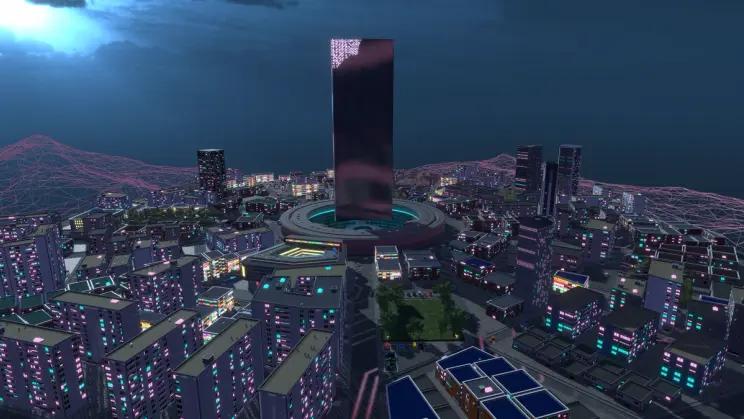
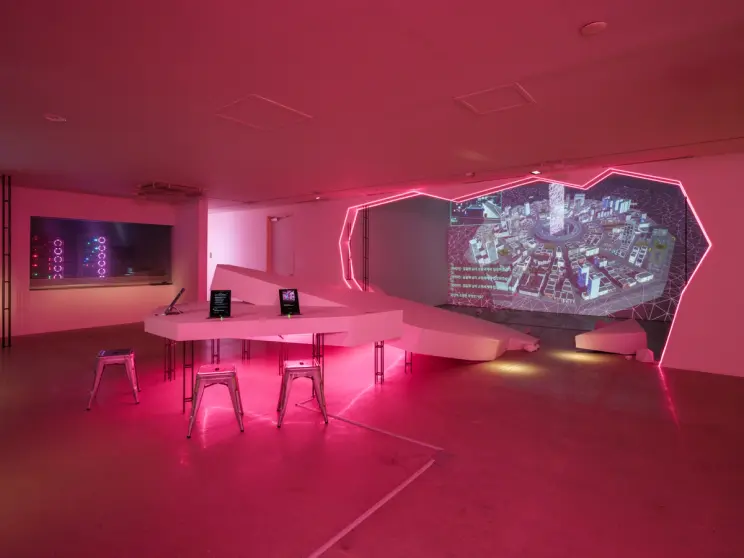
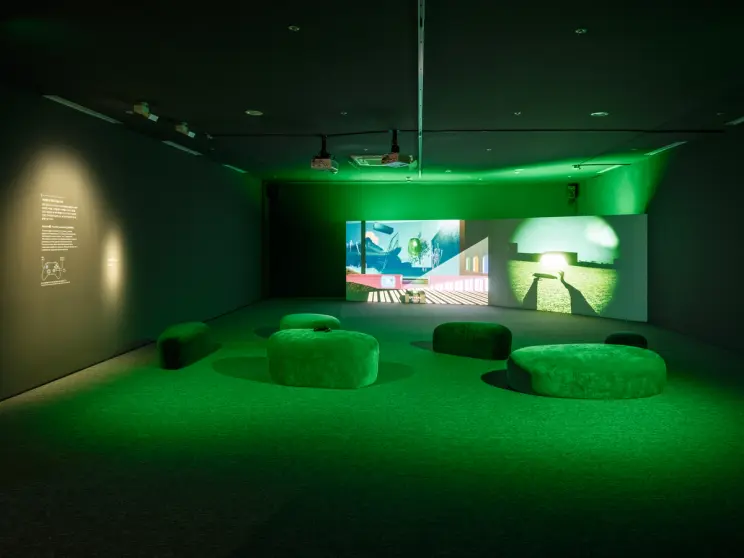
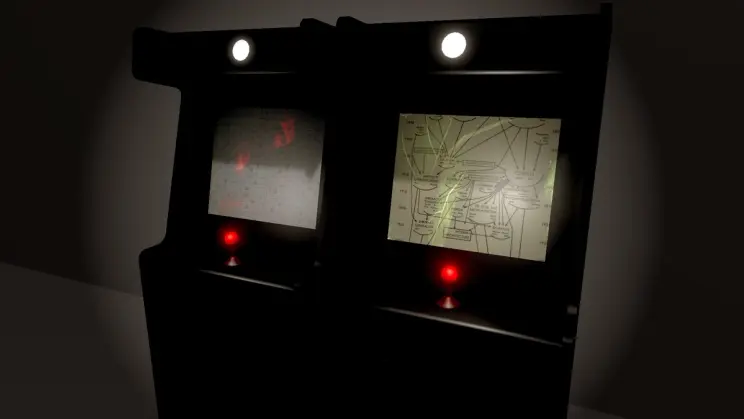
Meanwhile Playing Art Method by Playing Art Method (Cho Hoyoun, Kim Youngju, Rhee Sei) interrogates how video games function within museums. Presented in four sections, Playing Art Method unpacks the contextual friction and dissonance between the virtual space of video games and the physical art institution.
While the MMCA presentation speculates on our shared technological futures, the sprawling exhibition Electric Dreams: Art and Technology Before the Internet Electric Dreams: Art and Technology Before the Internet presents over 150 works by avant-garde artists from the 1950s-90s who were fascinated by technology’s potential to alter our lived experiences long before today’s digital era.
Research supported by Hyundai Tate Research Centre: Transnational, Electric Dreams: Art and Technology Before the Internet unearths how artists from around the world anticipated many of today’s debates about interactivity, automation, and perception. From psychedelic environments that play with light and motion to early experiments in computer-generated imagery, these works suggest that art and technology have always been entangled—not as oppositional forces, but as co-conspirators in expanding human experience.
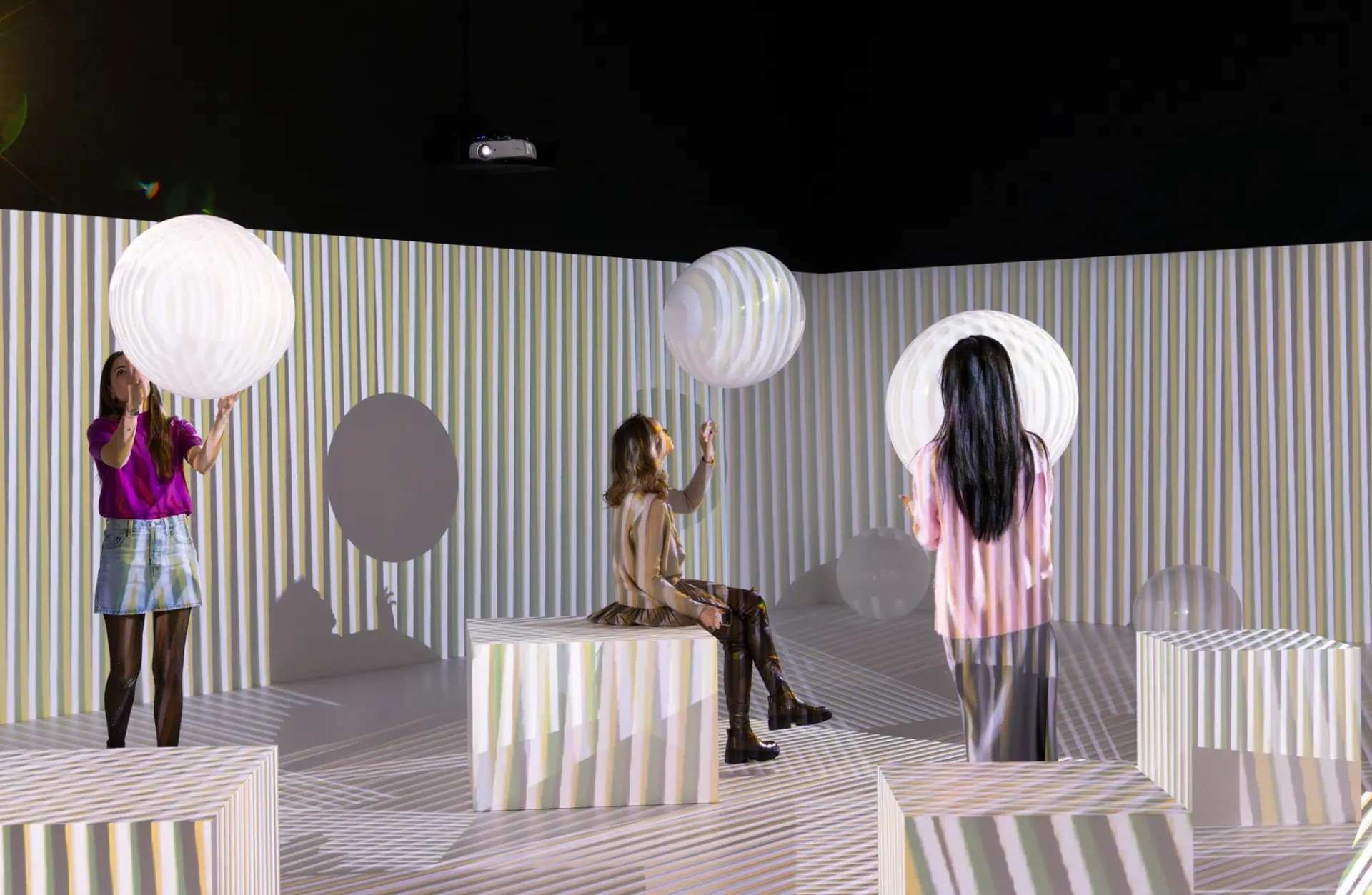
Carlos Cruz-Diez, Environnement Chromointerférent, Paris, 1974/2018, installation view in Electric Dreams, Tate Modern, 2024.
© Carlos Cruz-Diez / Bridgeman Images, Paris 2024. Photo © Tate (Lucy Green).
Writer Emily LaBarge summarized the overwhelming cumulative effect of the show in the New York Times [object Object] as full of “coursing, pulsing, propulsive, seductive energies, currents and ideas that animate works across a huge range of mediums, leaving visitors with the sense of having passed—pleasantly dazed, challenged and provoked—through a reverie of technological evolution.” The exhibition is on view through June 1, 2025.
With the application window for this year’s Artlab Editorial Fellowship open call coming to a recent close, we have been reflecting on how past fellows have added to the multitudinous throng of global voices expanding how we engage with art and technology. From 2024 fellow Kira Xonorika’s canonical essay on Indigenous Futurisms to 2023 fellow Skye Arundhati Roy’s reflections on AI in the global south, Artlab Editorial’s fellows continue to push the discourse on art and emerging technologies.
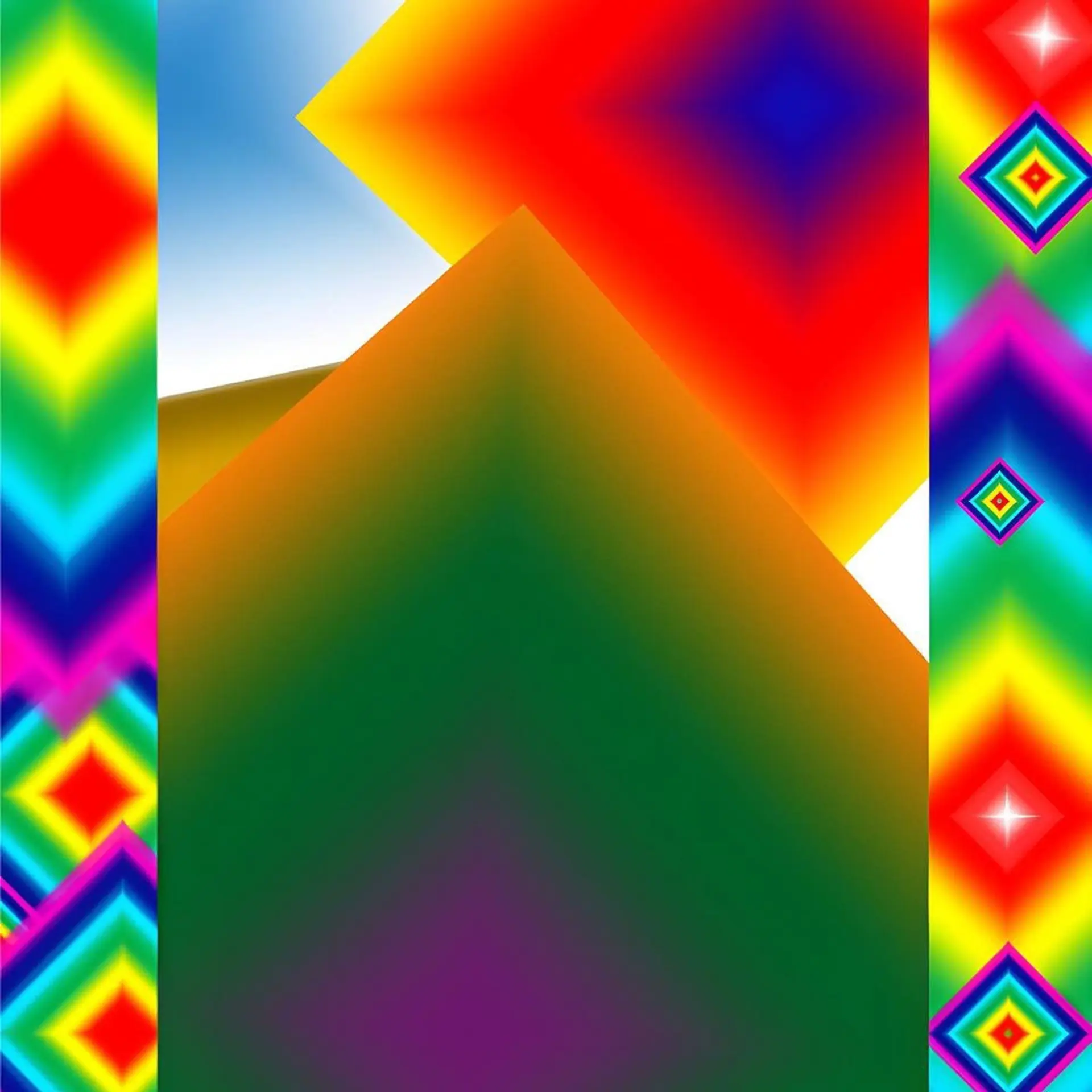
Edgar Fabián Frias, Animacy, 2024.
Courtesy of the artist.
Through these artistic explorations and interventions, we are asked to consider whether technology is not simply an inevitability to which we must passively adapt, but instead a medium we can shape, reimagine, and subvert. As digital networks and technologies grow more omnipresent, so too does the need to reclaim them as venues of intimacy and wonder.