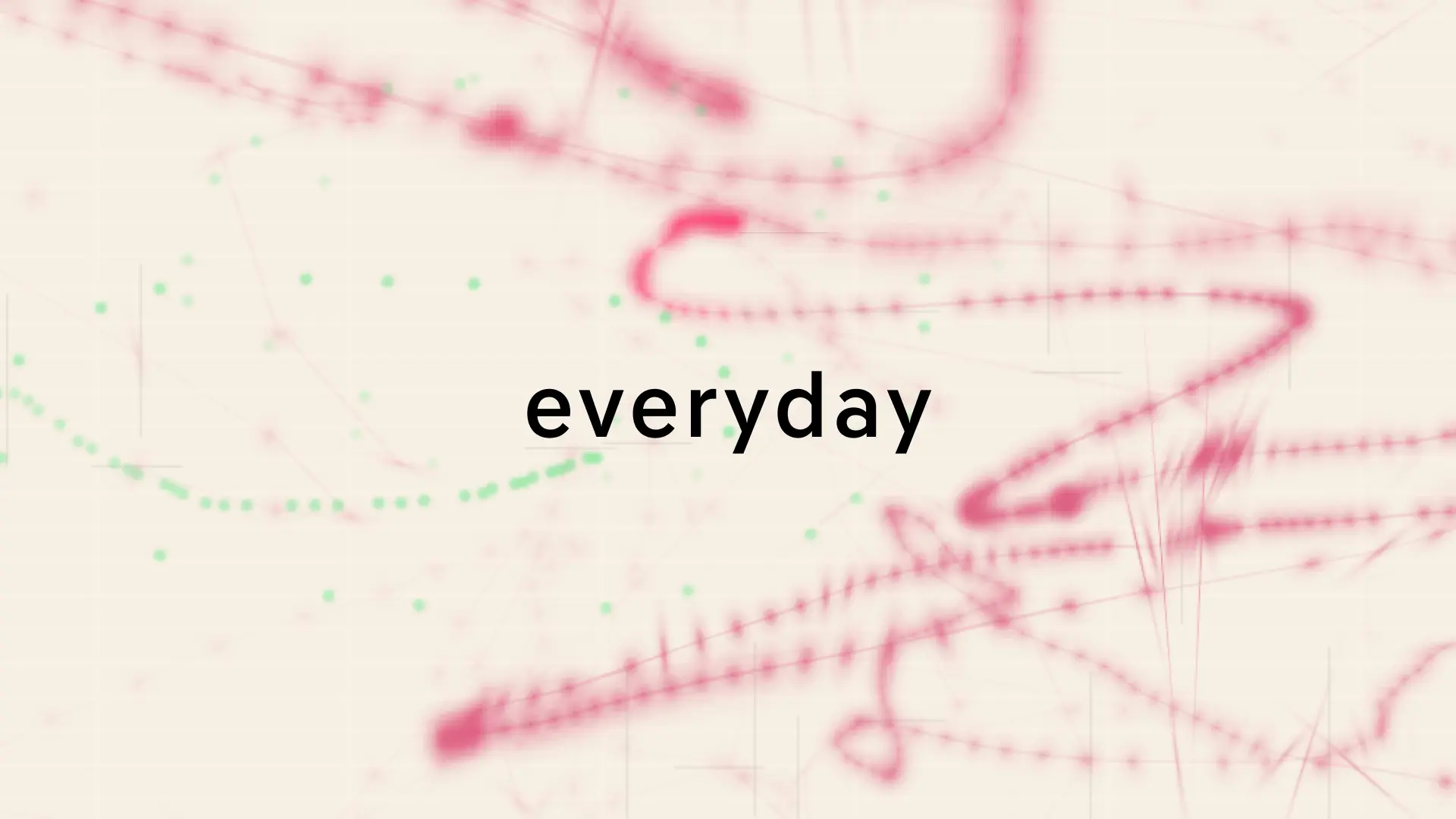
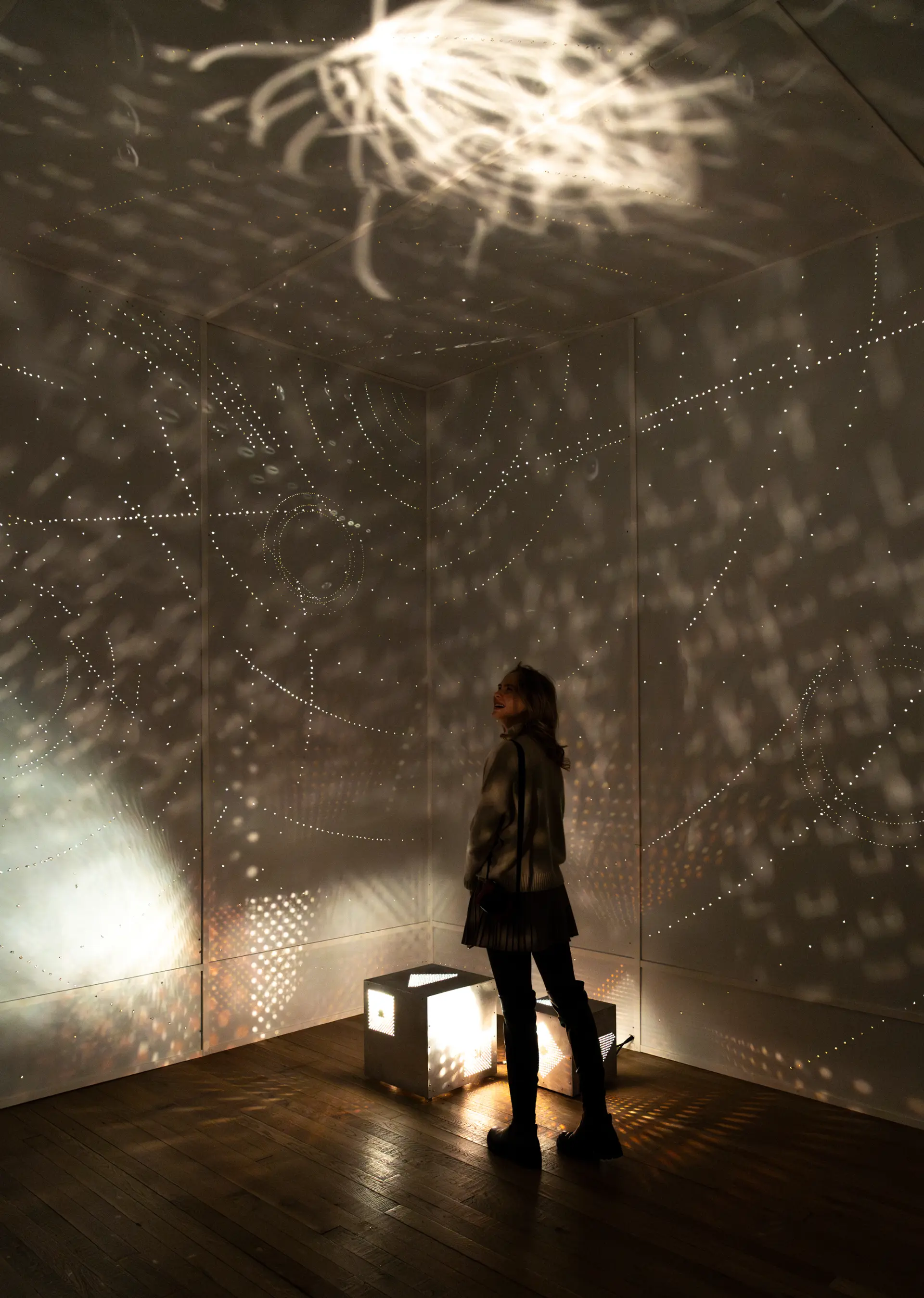
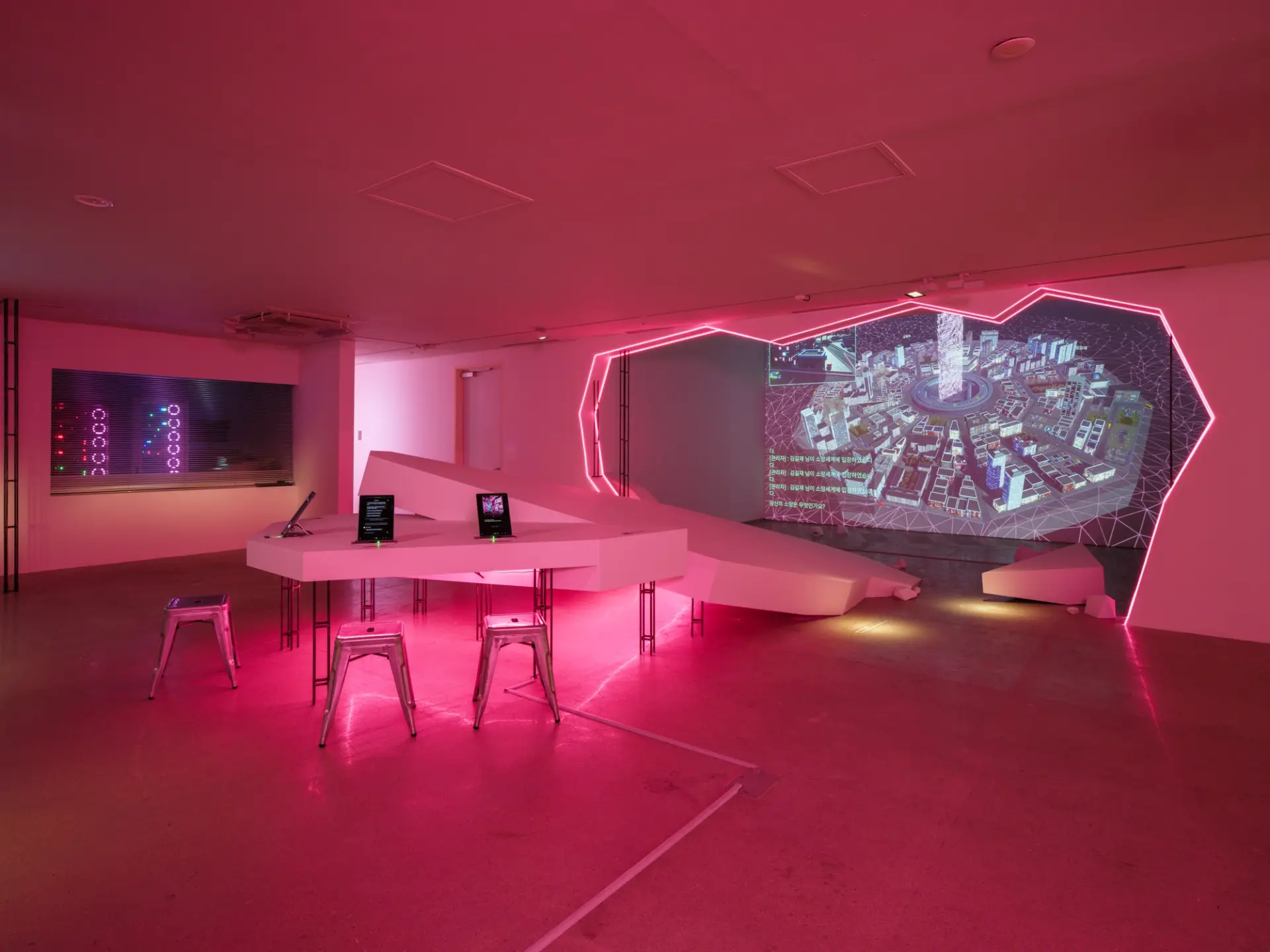
Spencer Chang, everyday, 2025. Commissioned by Hyundai Artlab, © Spencer Chang.
For his new Artlab Digital Commission, Spencer Chang’s participatory networked artwork, everyday, invites us to rethink our relationship with the internet as an ecological entity we might befriend.
Artlab Editors: Curator, writer, film programmer, and educator Rachael Rakes offers her insights on Spencer Chang’s subtle hacking of contemporary technology’s subliminal effects on our lives. Participating in Chang’s Artlab Digital Commission, everyday, Rakes culls from her past interrogations of time, aesthetics, and futurity to consider the urgent need for us to rethink our relationship with the internet—not as an abstract entity that exists outside humanity, but as something of us, as kin.
The internet is a global ecological organism
Turning away, momentarily, from forking predictions of techno-liberation or techno-doom, what if we accepted the internet as an entangled planetary element, a global ecological organism? In the spirit of collaborative strategy rather than a final capitulation to digital omnipresence, I’d like to propose the network as here, an atmosphere rather than virtual sphere. Such a relationship acknowledges the current technological landscape as, in fact, organic, and thus human.
Artist Spencer Chang takes this sentiment a step further; he proposes making friends with the internet. The artist’s participatory, net-engineered artworks use seemingly simple gestures that attempt to close the distance between us and our surrounding technologies. Often working with common objects and elements of everyday life, his works suggest and reaffirm pathways for accessing the internet’s latent potential as a decentralized and collective means for circulating media and mediation. Chang’s work makes quotidian intimate interventions that exercise and demonstrate technology’s integration into life at multiple scales.
In collaboration with Hyundai Artlab, Chang’s digital commission, everyday is premised on the routine habits and rituals that compose a day. The work highlights how these routines mark or signify certain points in time, their commonness as a gesture toward elemental human connectedness. Given that our phones accompany us along nearly all of these daily routines, Chang sees our devices as a means to punctuate these moments, giving them a different weight or sensation.
everyday’s hourly prompts, such as “lead your device in a stretch and find the limits of your body,” (8am, adjusted to each time zone) or “show your device something beautiful,” (6pm) embrace this partnership. As user participation is negotiated solely through these expensive, alienating, and essentially non-consensual cyborgian appendages, the experience is a dichotomy that highlights our ambivalent dependence alongside a rooting sense of presence.
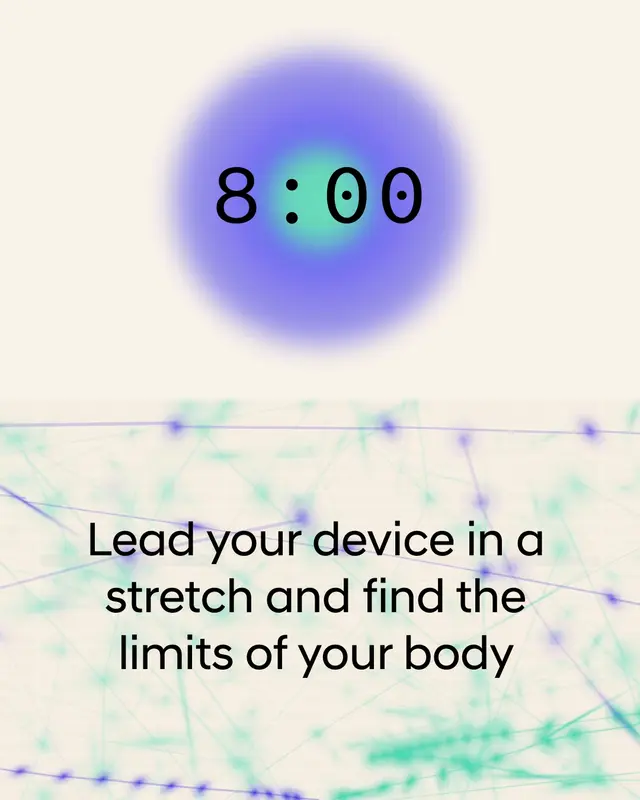
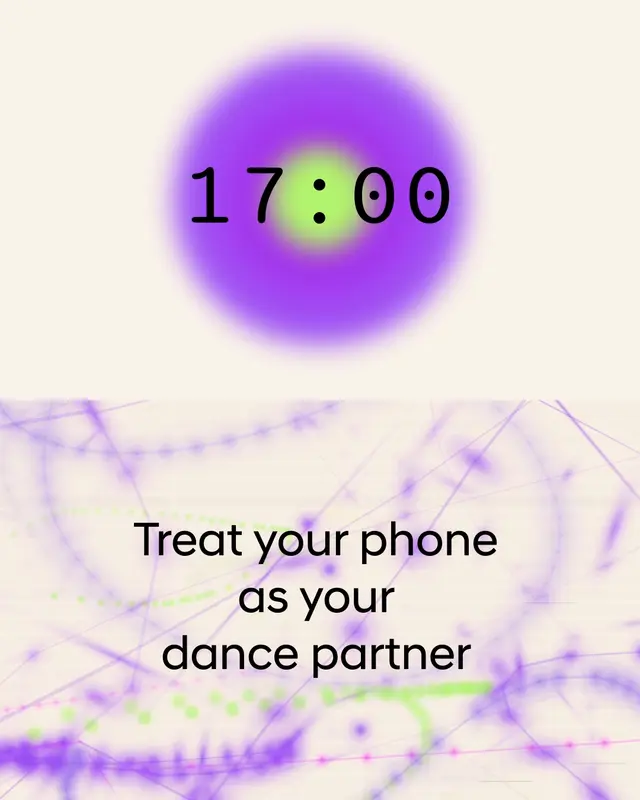
Sometimes adhering loosely to the hours they fill (“catch a ray of sunlight with your phone,” at 12pm) and sometimes adhering only to playful absurdity, Chang’s prompts function as extensions of his poetry practice. These poetic suggestions also recall Fluxus scores, similarly inviting both interaction and introspection. It bears noting that these scores circulated in the same air as early technologically and network-minded artists and theories like Nam June Paik, Buckminster Fuller, and Radical Software.
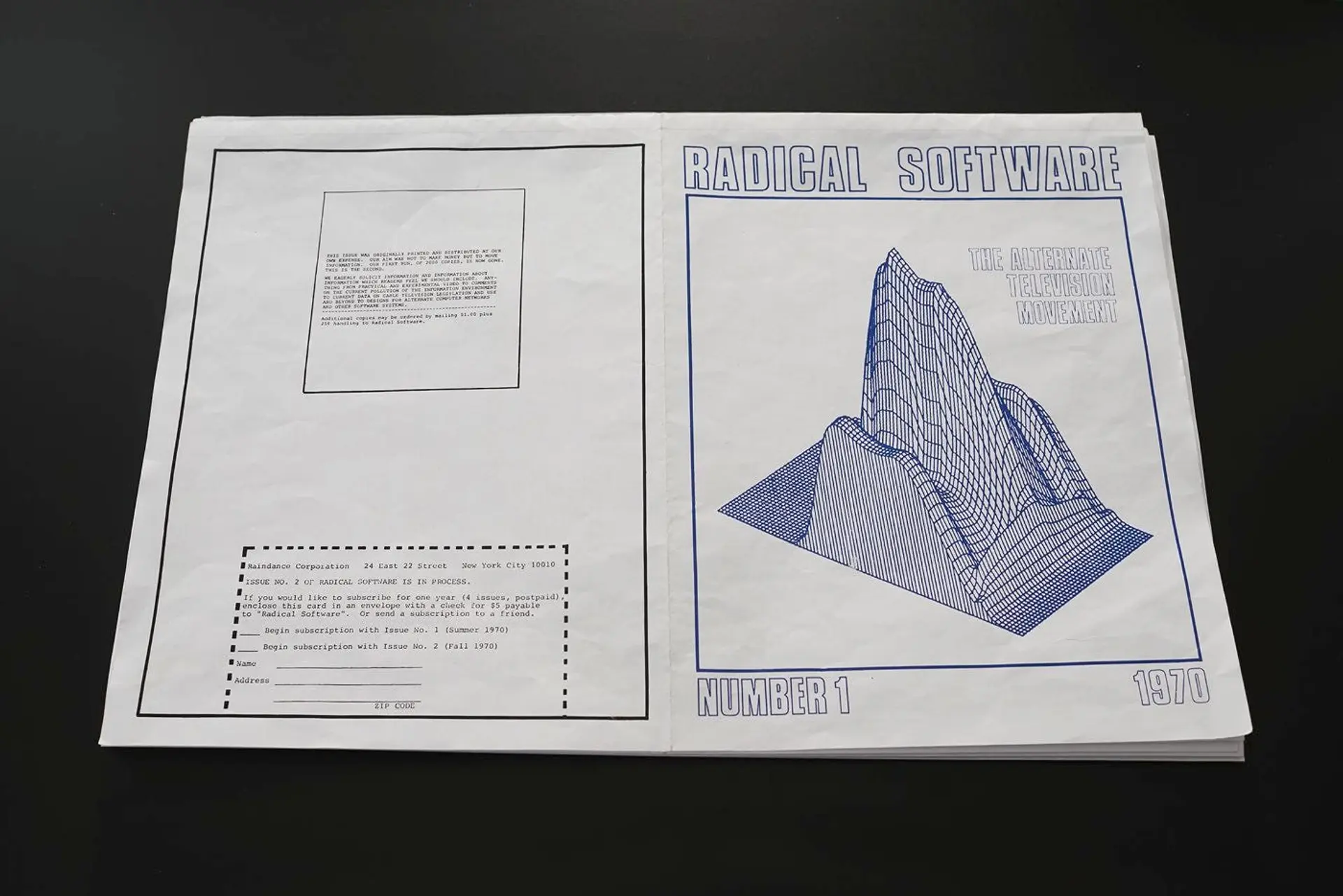
Cover of Radical Software, Vol. 1, No. 1 (1970). A foundational journal of the alternative video movement, it challenged the boundaries between media, information, and social change.
COPYRIGHT © RADICAL SOFTWARE 2003 - 2020 ALL RIGHTS RESERVED.
Rather than return to the (albeit wary from the beginning) technological utopianism of 1950s and ‘60s, Chang’s work situates us in the quagmire of the contemporary—the implications of mass corporate consolidations of tech and information being too grim to be predictable. In spite of this (or perhaps because of it), the work maintains a critical lightness. everyday is inherently aware of today’s internet vernacular, from its soothing meditation-app soundtrack to encouraging the gratification in seeing one's gesture recorded as data visualization. Its willingness to collaborate with these devices known for their incursions into our daily lives evades binary evaluations and cynicism. Instead, everyday shows what tools we might have at hand to collaboratively imagine technology and networks differently, and possibly toward more equitable ends.
In conscientious contrast to the dark-humored cynicism of early aughts internet art, Chang’s work doesn’t seek to distance itself from its tools and its implications. Instead, everyday considers how we might re-warp our relationships and habits with such ubiquitous structures to reveal their inherent human natures. For example, participation in everyday requires users to give the program permission to read from their phone’s mobility sensor. The moment of hesitation that comes with being asked to accede to another form of data capture is now muscle memory. Indeed, we don’t know what happens to the information given over in these movements or their communal animation.
I’d like to intervene here to propose that everyday’s nature and operation as an artwork might help to create a suspension of that hesitance, not to create trust, but to find a way out of this sense of constant capitulation to tech power. At its core, art’s potential is in its modeling of collective curiosity and its tendency to make change without relying on clear cause and effect. Perhaps participating in this accession without the familiar dread that we have given another piece of ourselves to the cloud is a part of bonding with the organism of the internet.
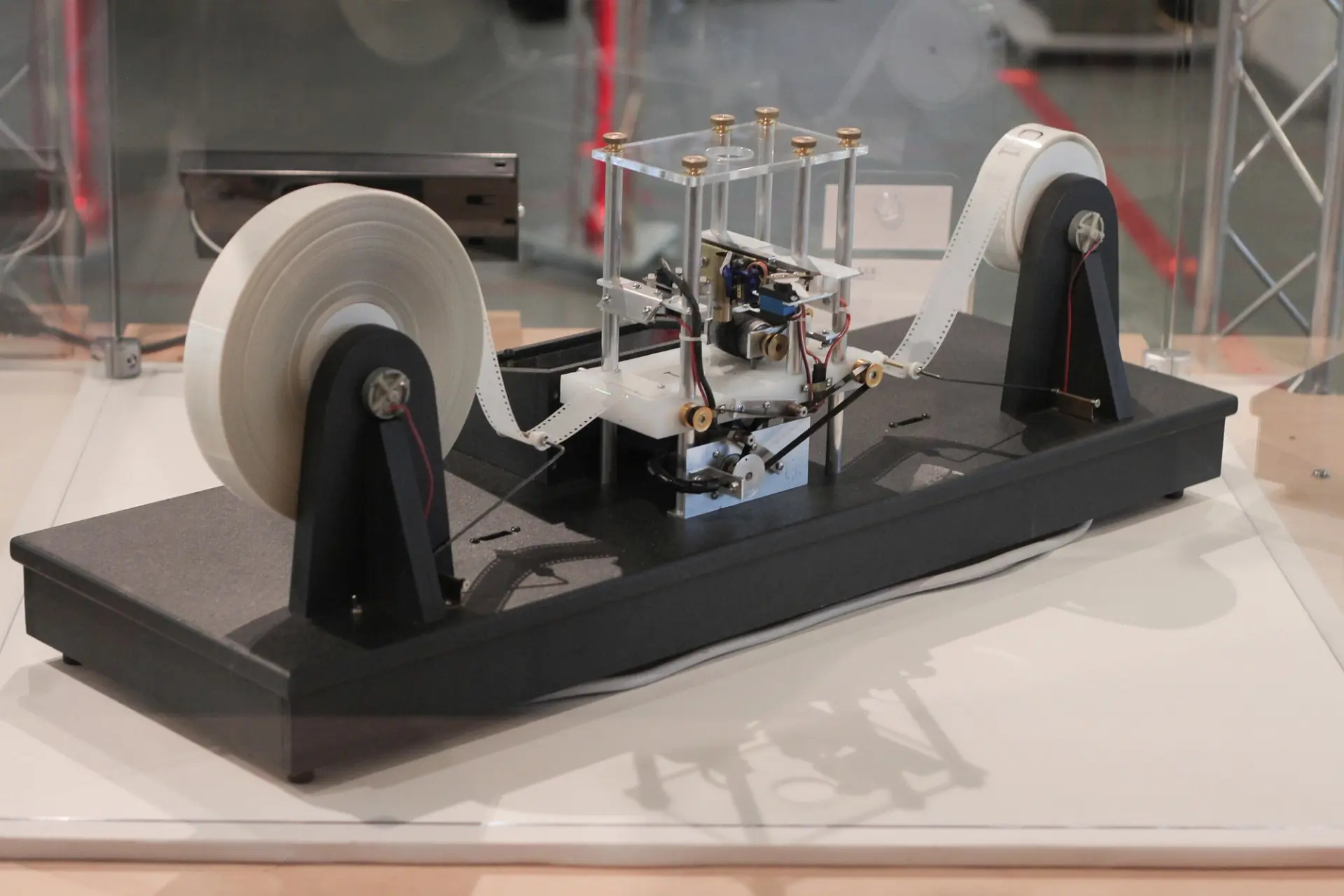
The First Turing Machine.
Source: Wikimedia Commons.
All organisms have their roots
The computational theory that structures the majority of networked technology today still relies on the 1936 Turing Model. Intrinsically framed by rational and homogenized concepts of space and time, of linear and sequential computations, and of binary digital logic, it is a system of calculated abstractions. The uncanny distance and alienation felt in our digital experience may have something to do with these abstractions, and the conflation at this time and place of proximity to abstraction with approaching purity.
But computation is anything but abstract and is certainly not pure. As the social and terrestrial rooting of modern technology continues to reveal itself, conventional arguments suggesting its neutrality and malleability seem increasingly dubious. The evidence is tangible in the way algorithms perpetuate biases, the enormous energy and water required to power generative AI, or how e-waste is extracted from and returned to the same de-capitalized regions again and again. While catalyzed by factors of development and inequality, these effects are inbuilt as the programs themselves. Certain knowledge systems and ideologies nest in the framework and disseminate, just as they have in colonial and imperial systems and their scientific suppressions and appropriations.
As those systems undergo rigorous revaluation in the service of future human survival, so are other 20th century regimes of global order—measurements like linear time’s coordinated zones, spatial territorialization, and drawn-on borders. Beneath these mass-systems are the multitudes of infrastructures that have more subtly etched themselves into daily life, computation being only one. Chang’s everyday is an exercise in acknowledging and subverting the less visible social facets that constitute the networked world and circumventing the assumed value in predictable cause and effect.
Spencer Chang, everyday, 2025.
Commissioned by Hyundai Artlab, © Spencer Chang
Art and technology share the trait of fomenting unpredictable consequences. Surrealist artist Claude Cahun called the tendency of art to make change in latent and nonlinear ways its “indirect action.” Philosopher Jacque Ranciere conferred art’s infiltration into politics and social life the “distribution of the sensible.” For technology, this trait makes it an object of speculative fear while in art, the same aspect is evidence of innocuousness. Art’s ostensible “non-causality” might simply be effects viewed through different systems of time and logic.
As we engage with Chang’s everyday prompts, its cumulative, subliminal effects on how we engage with technology can only be guessed. Embracing minor choreographies over distant places, and sparks of connection in an instant, everyday operates in this realm of the unknown possible. There can be no predictable route to utopia; we only have the small things we do every day.