Tate
Hyundai Tate Research Centre: Transnational © Tate
About the Hyundai Tate Research Centre: Transnational
Over the past two decades, Tate’s collections, displays, and programs have expanded beyond Europe and North America to be more open, inclusive, and reflective of its diverse audiences.Hyundai Tate Research Centre: Transnational marks a next step on this journey by placing the exchange of ideas between art and artists from around the world at Tate’s core. Hyundai Tate Research Centre: Transnational contributes to exhibitions, acquisitions and programs across Tate with a wide network of collaborators; exhibitions include Nam June Paik: The Future is Now (2019); A Year in Art: Australia 1992 (2021); Life Between Islands: Caribbean-British Art 1950s – Now (2021); Surrealism Beyond Borders (2022); Zanele Muholi (2024); Electric Dreams: Art and Technology Before the Internet (2024); Emily Kam Kngwarray (2025). Ana Mendieta will be on view from July 15, 2026 through January 17, 2027.
Ana Mendieta
This exhibition is the UK’s first major exhibition dedicated to multidisciplinary artist Ana Mendieta (1948-1985) in over a decade. Active in the 1970s and 1980s, Mendieta’s ground-breaking practice challenged traditional notions of sculpture, photography and film. Using her own terms to describe her art, she is best known for her ‘earth-body’ works, outlining her body in the landscape with natural elements such as earth, fire and flowers. Featuring over 150 works, the exhibition will be arranged thematically through symbolic locations, highlighting key moments in the artist’s career and demonstrating her persistent engagement with the natural world.
Hyundai Tate Research Centre: Transnational’s ongoing exploration of transnational dialogues in contemporary art has been instrumental in deepening the narratives of this exhibition and understanding of Ana Mendieta’s practice, particularly through the contextualisation of her outdoor and ephemeral works within a global framework. Like Spores We Spread, hosted by the Centre on 11th and 12th September, has been developed by the exhibition curators together with Marleen Boschen, Adjunct Curator of Art and Ecology, and will further explore ecological questions around outdoor practices.
Emily Kam Kngwarray
This exhibition marked Europe’s first major solo exhibition dedicated to one of the most extraordinary figures in international contemporary art, Emily Kam Kngwarray (c.1914-1996). A senior Anmatyerr woman from the Sandover region in the Northern Territory of Australia, Kngwarray translated her ceremonial and spiritual engagement with her ancestral Country, Alhalker, into vivid batik textiles and monumental acrylic paintings on canvas.
Hyundai Tate Research Centre: Transnational previously supported research towards a free exhibition A Year in Art: Australia 1992, in which Emily Kam Kngwarray’s works were central. Kimberley Moulton, Adjunct Curator, Indigenous Art (Hyundai Tate Research Centre: Transnational) contributed scholarship which looks at Indigenous Australian art with key themes of transnational kinship and new readings of Indigenous art. The Centre’s events throughout 2025 engaged with Kngwarray and Indigenous art more broadly profiling Indigenous perspectives around practice of embodied knowledge and futurisms.
Electric Dreams: Art and Technology Before the Internet
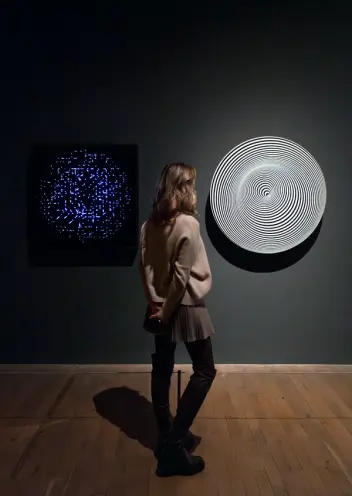
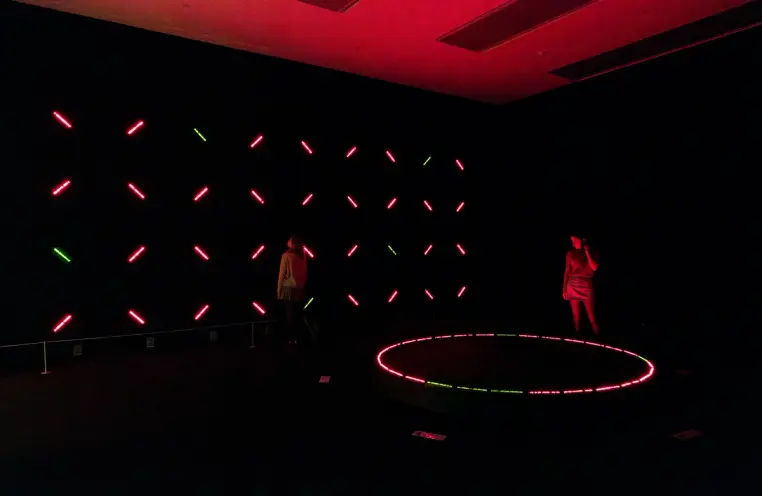
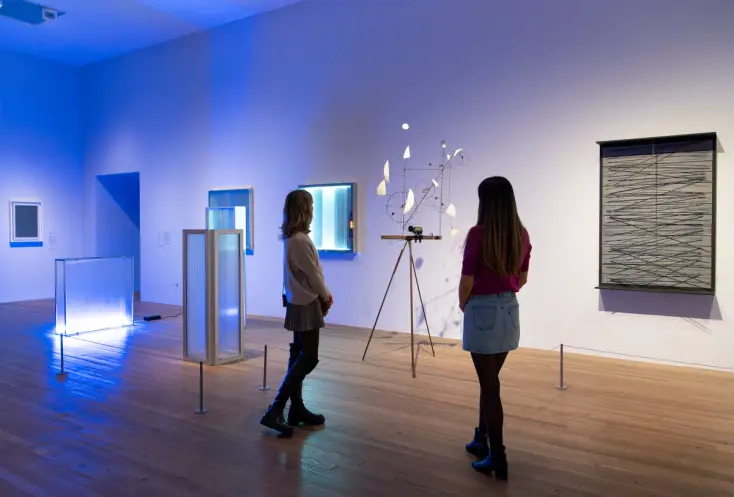
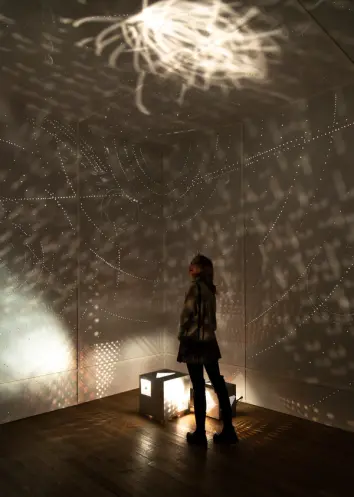
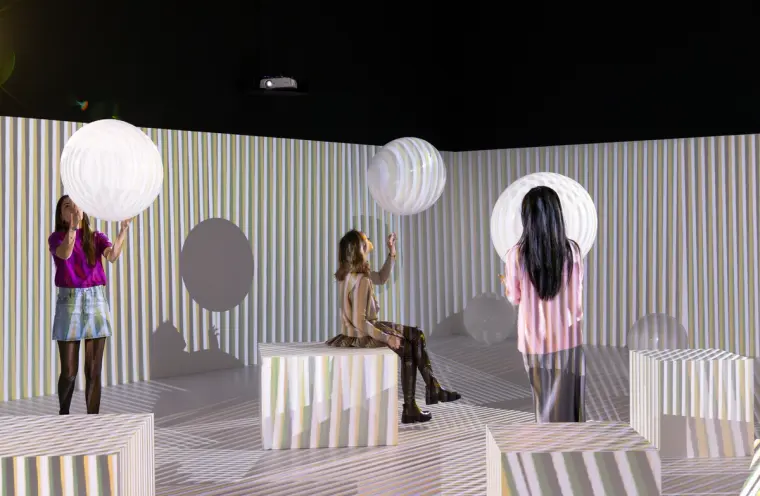
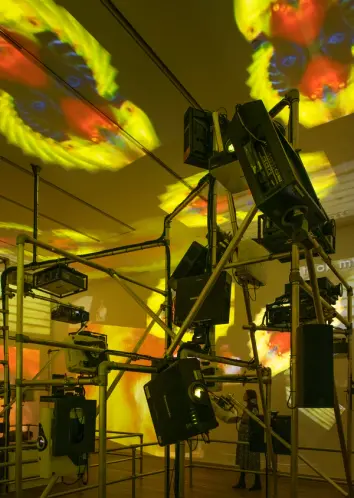
This historical exhibition presented works by an international group of artists who devised early experiments with science, technology, and material innovation. From psychedelic environments and industrial processes in the 1950s and 1960s, through the birth of digital technology in the 1970s and 1980s, the exhibition offered a perspective on how artists imagined the visual language of the future.
Hyundai Tate Research Centre: Transnational fostered deeper conversations around the transnational genealogies of new media practices by supporting a performance and discursive event with Samia Halaby & The Kinetic Painting Group. Odessa Warren, Assistant Curator (Hyundai Tate Research Centre: Transnational) contributed scholarship related to transnational networks of experimentation in arts and technology across cities in Japan, India and the US in the 1960-70s.
Zanele Muholi
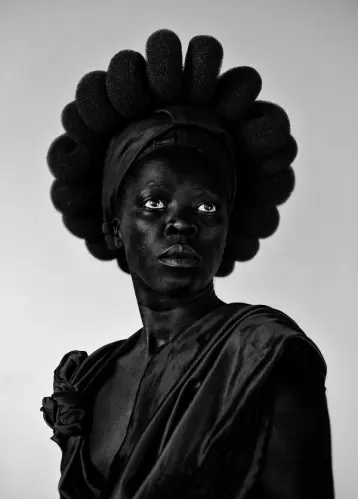
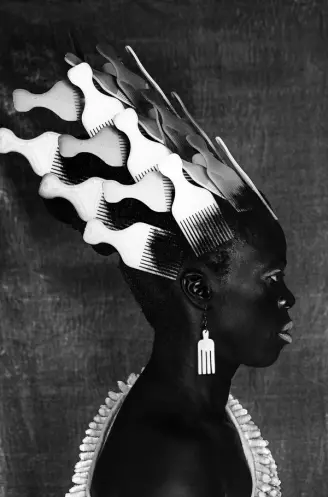
This self-titled exhibition presented works by South African visual activist Zanele Muholi, who shares stories of black lesbian, gay, bisexual, trans, queer and intersex lives in South Africa. From their very first body of work Only Half the Picture, to their on-going series Somnyama Ngonyama—translated as “Hail the Dark Lioness,”— their works challenge dominant ideologies and representations, capturing the participants in their photographs as fellow human beings bravely existing in the face of prejudice, intolerance and often violence.
Surrealism Beyond Borders
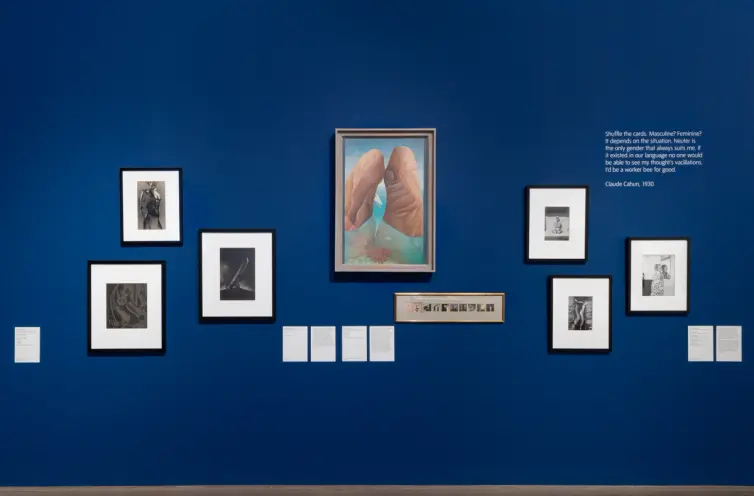
Much as its artists broke down barriers of consciousness, Surrealism as a movement flowed freely across continents and oceans. As it spread, it brought together thinkers and artists from around the globe who shared ideas around how art can bring about both personal and collective freedom.
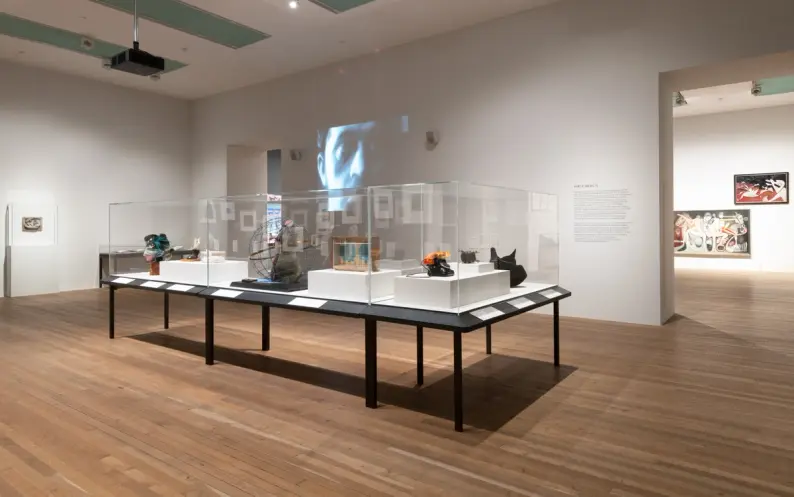
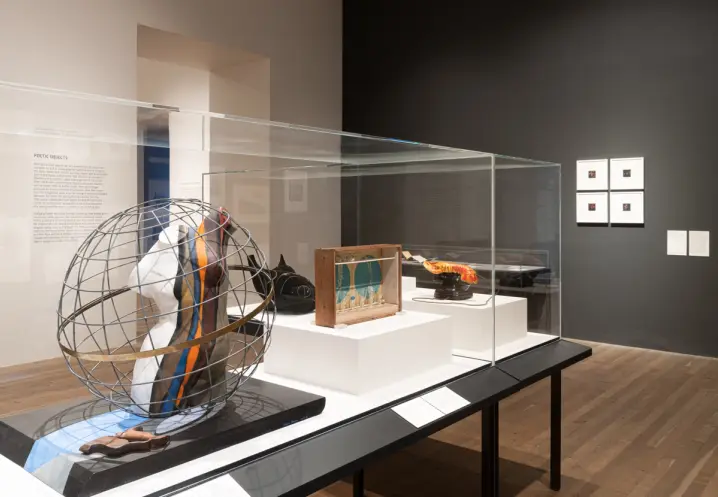
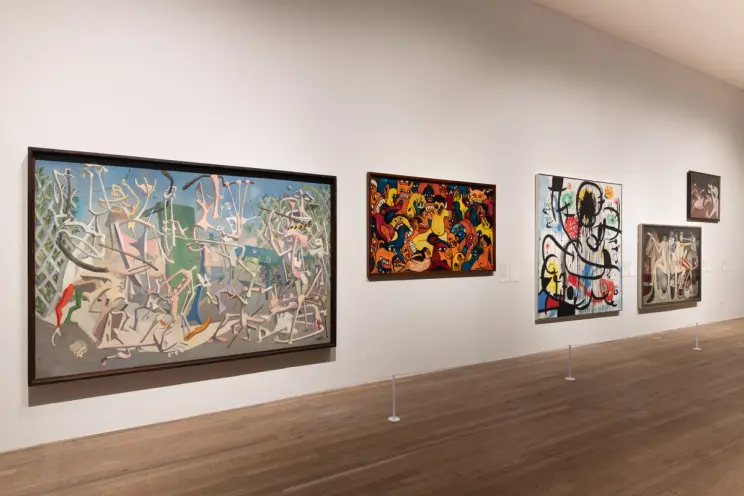
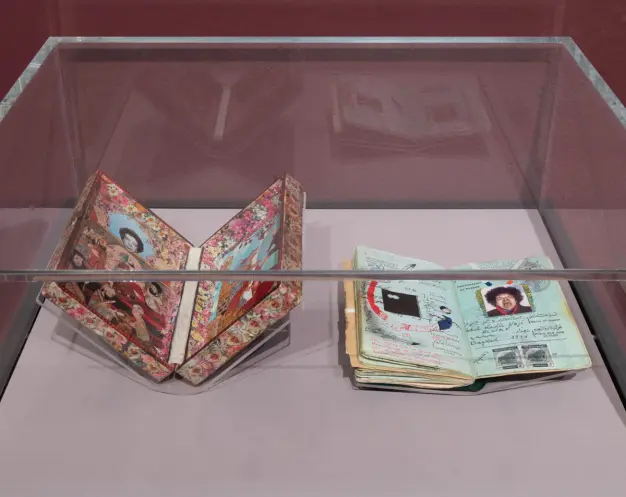
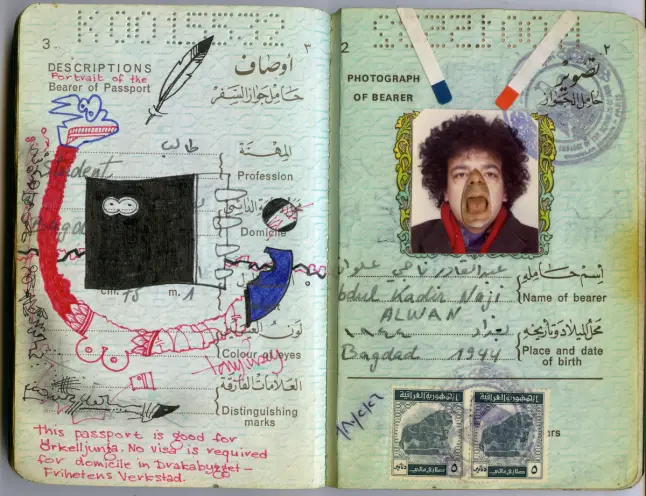
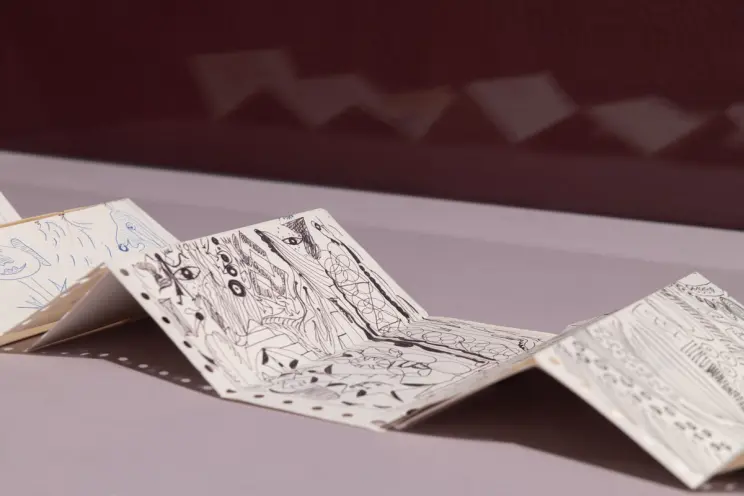
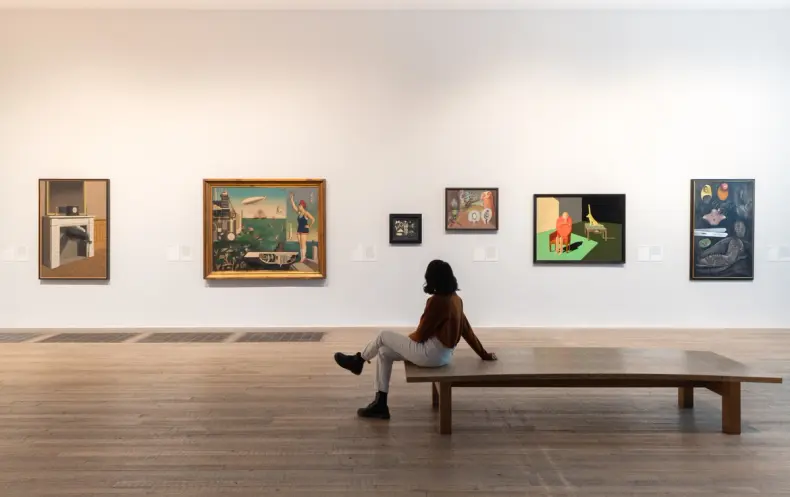
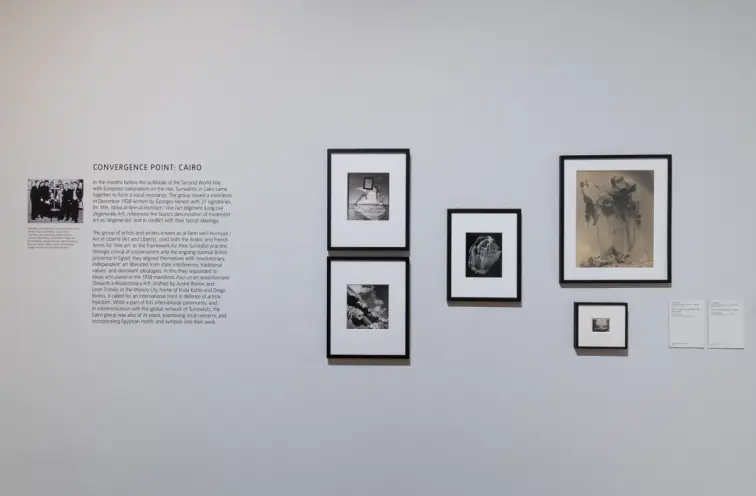
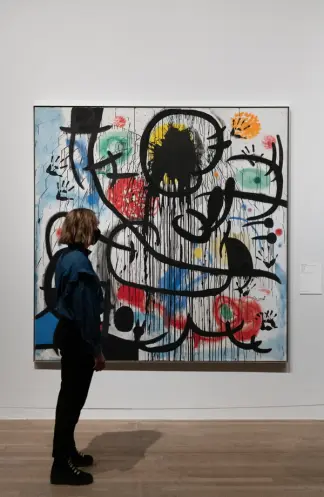
Surrealism Beyond Borders was a nonlinear retrospective of the transnational Surrealist movement that touched cities and islands far removed from the European continent—from Cairo and Lisbon to Seoul, Tokyo, and beyond—as well as artists working within and beyond official Surrealist circles. The exhibition focused on the years between 1920 and 1970—a period in which rising nationalism, World War II, and post-Colonial awakenings and rebellions culminated in a fundamental reconfiguration of the global political order. Such a context provided the fertile soil in which Surrealists interrogated dominant political and social systems with the hopes of establishing a more just and accepting world.
New technologies, political unrest, and the search for new ideas propelled these artists across borders. Some Surrealists moved to escape war, such as Eugenio Granell, who left Europe for the Americas, where he was still met with political oppression. Or Ted Joans, whose travels through North and Central America, North and West Africa, and Europe were an essential part of his practice. Wifredo Lam, André Breton, and Leonora Carrington were among those whose movements were a part of the spread and stimulation of Surrealist ideas around the world.
In the Surrealist spirit that values interconnectedness and flow over categorization and order, curators Matthew Gale, Senior Curator at Large at Tate Modern, and Stephanie D’Alessandro, Leonard A. Lauder Curator of Modern Art and Senior Research Coordinator in Modern and Contemporary Art at The Met, presented Surrealism Beyond Borders as a series of ideas that reflect and embody the movement rather than through a linear or geographic lens. Sections of the show included “Revolution,” “Beyond Reason,” “Bodies of Desire,” and “Alternative Orders,” among several others that together offered a generative exploration of a movement that may have officially ended, but whose resonance is timeless and perhaps of a greater significance than we have yet acknowledged.
A Year in Art: Australia 1992
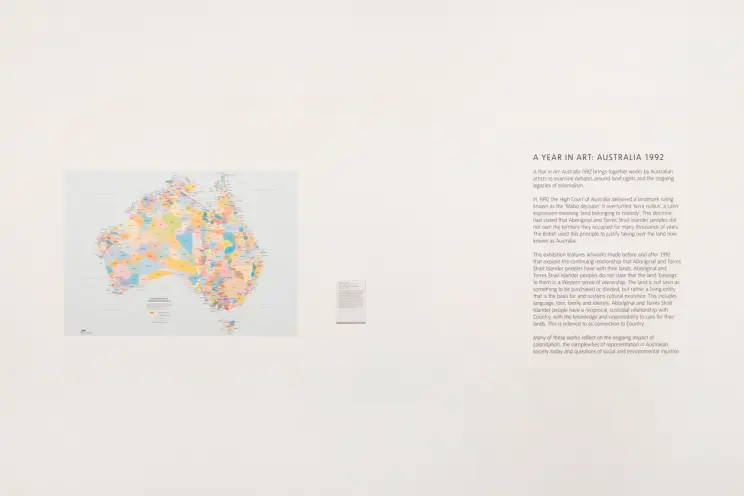
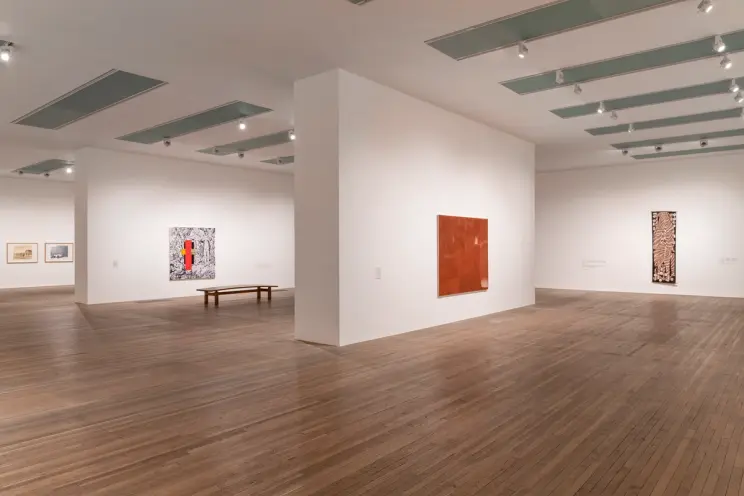
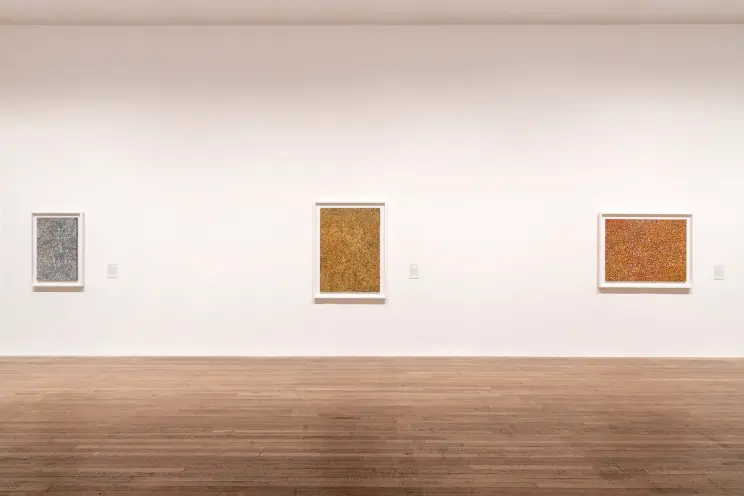
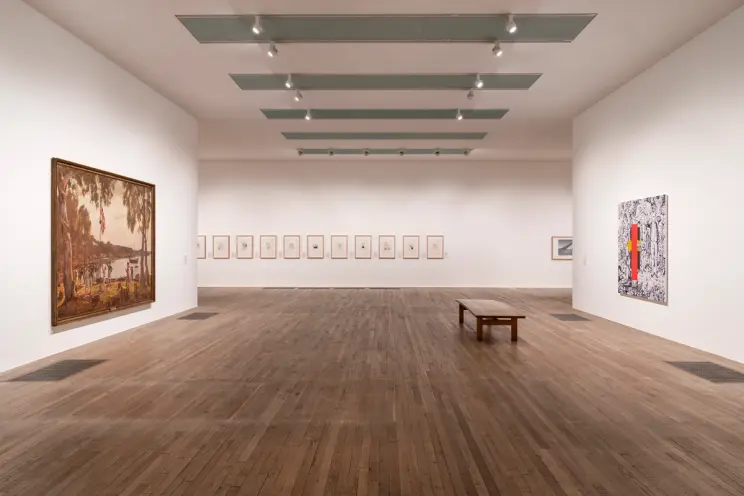
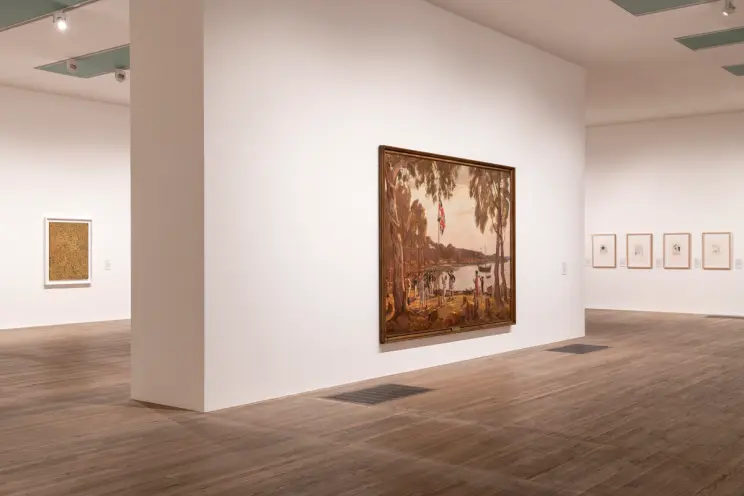
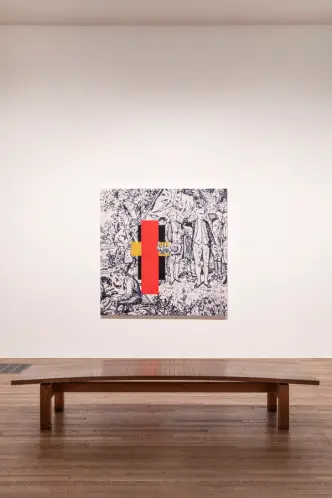
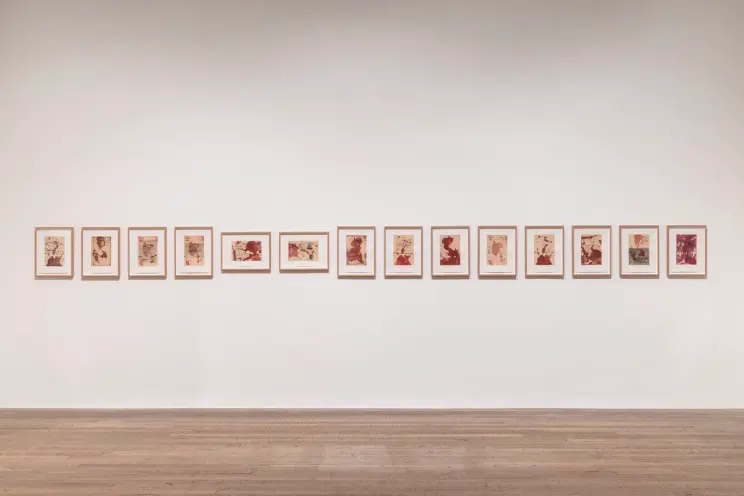
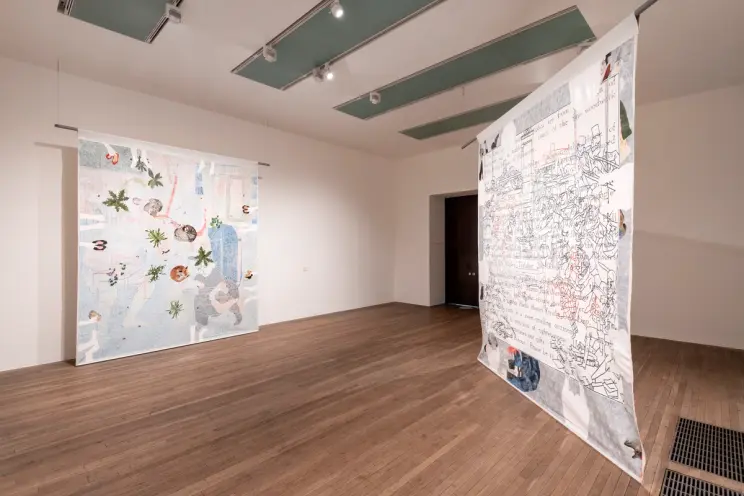
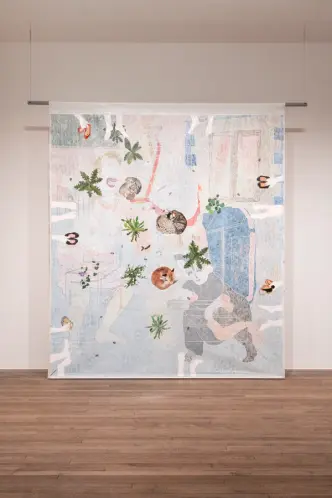
A Year in Art: Australia 1992, responded to debates around land rights and the ongoing legacies of colonialism. Taking the High Court of Australia’s landmark 1992 Mabo ruling as a starting point—the decision which overturned terra nullius (meaning ‘land belonging to nobody’), the doctrine on which the British had justified colonizing the land now known as Australia—the exhibition with over 25 works by Australian artists, explored Aboriginal and Torres Strait Islander peoples’ relationship with their lands as well as colonization’s continuing impact on issues of representation, social injustice and climate emergency.
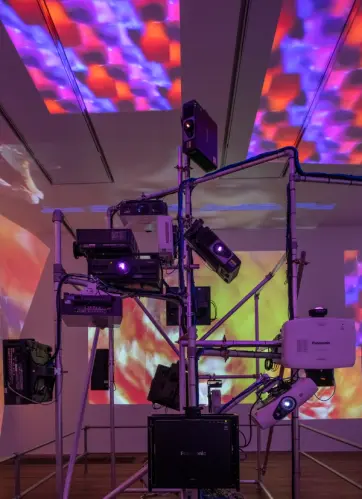
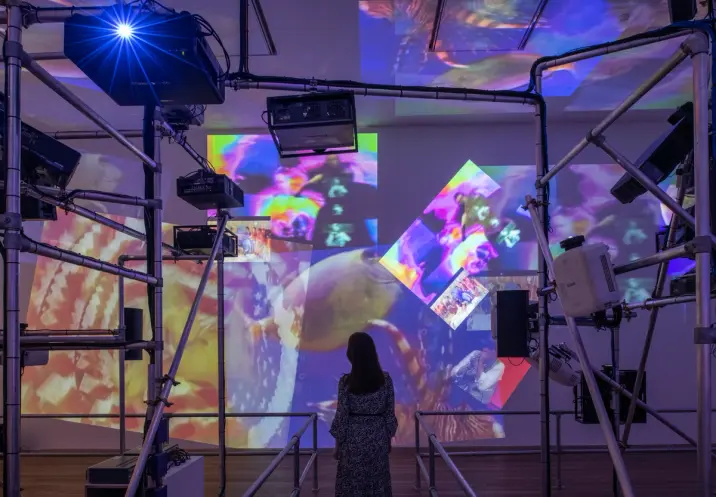
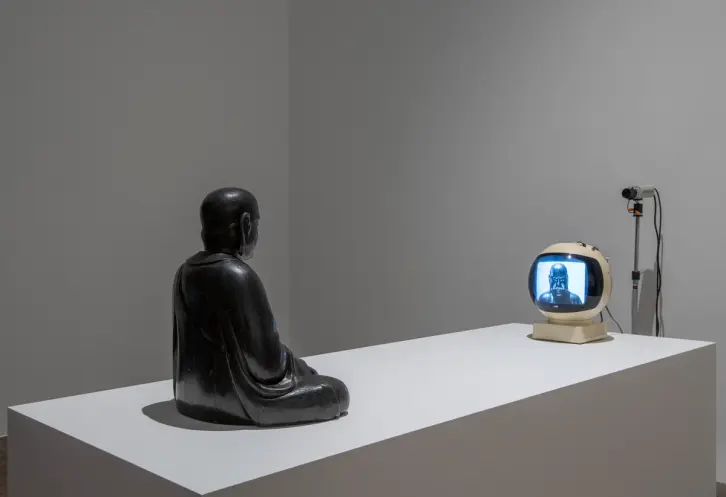
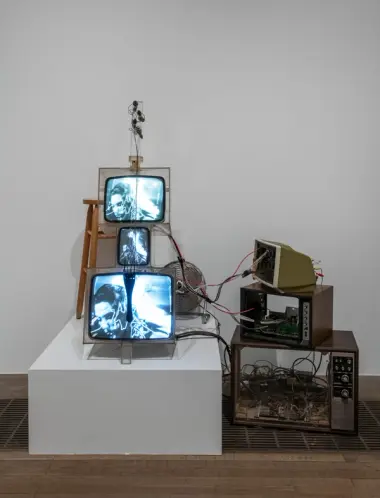
Nam June Paik: The Future is Now
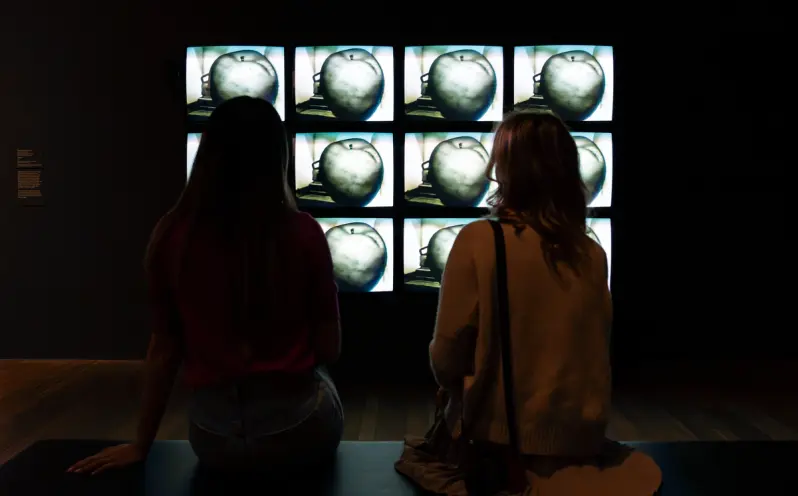
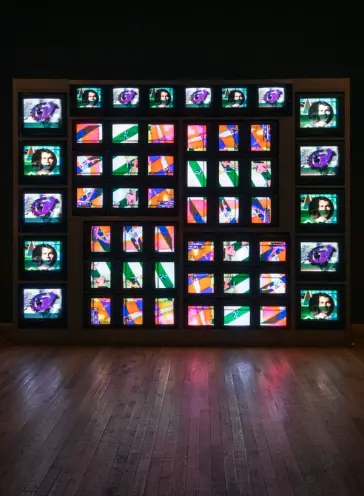
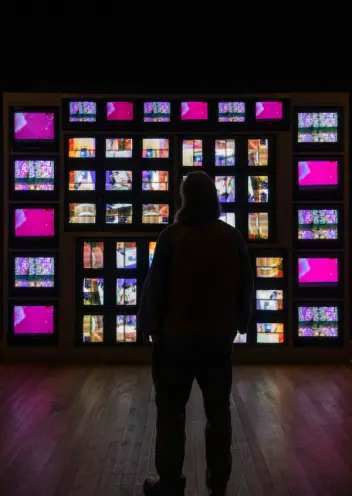
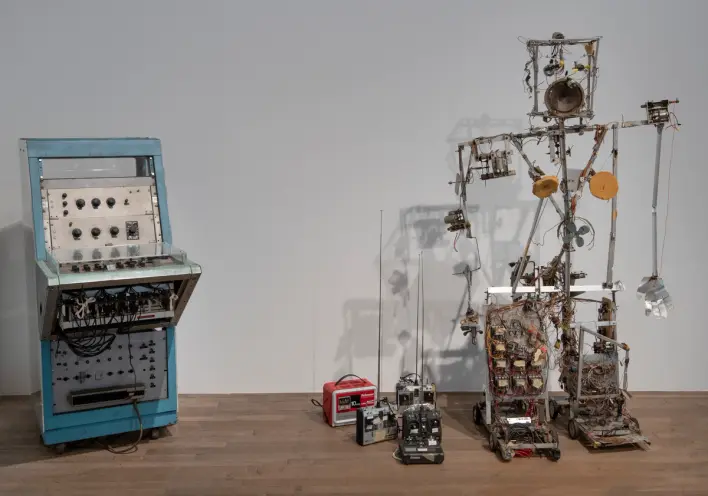
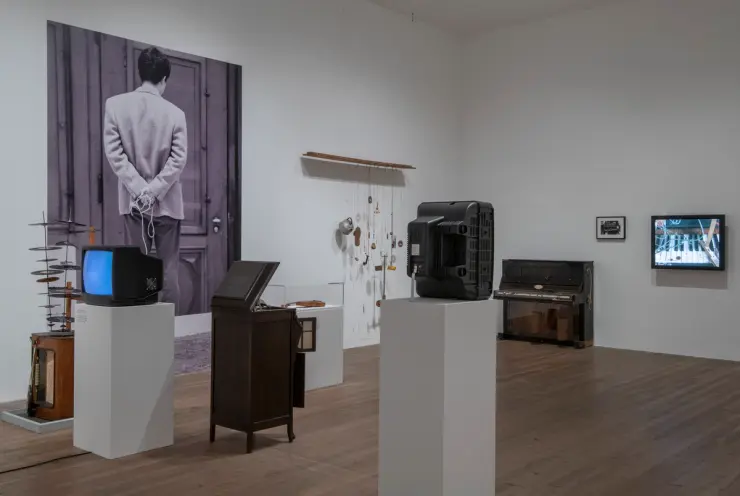
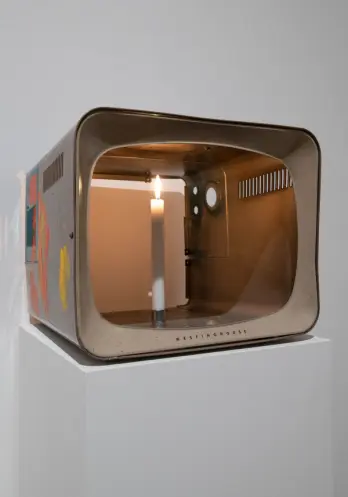
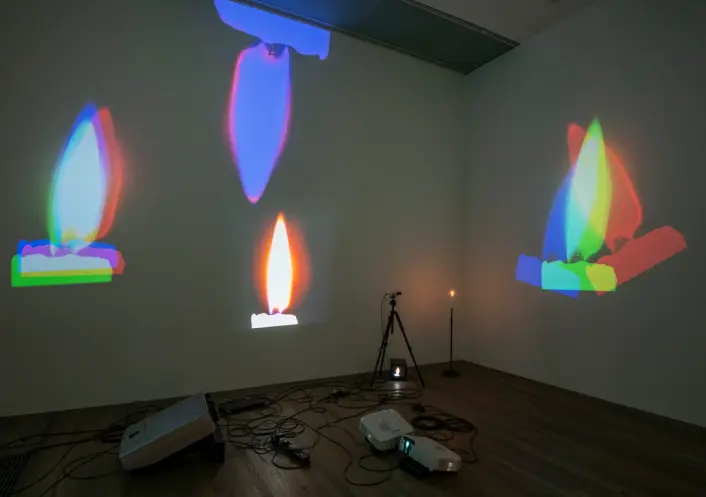
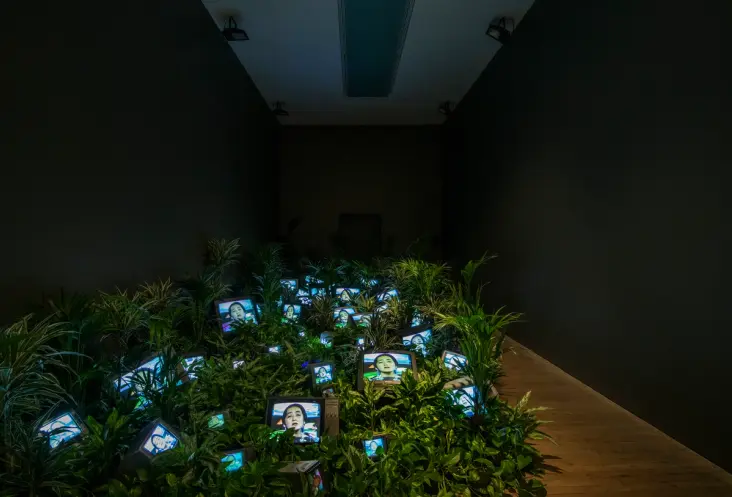
Nam June Paik brought together over 200 artworks, photographs, films and archive objects from Paik’s five-decade career—from TV screen robots to his experimental yet playful video and installation works. Renowned for his use of new technologies and interdisciplinary practice, Nam June Paik (1932-2006)’s works continue to be an inspiration for artists, musicians, performers and collaborators. The exhibition looked into significant creative partnerships Paik had with composer John Cage, choreographer Merce Cunningham, artist Joseph Beuys and cellist Charlotte Moorman and further Sistine Chapel 1993 was for the first time recreated since Paik received the Golden Lion for the 1993 Venice Biennale German Pavilion.
About the Program
Hyundai Tate Research Centre: Transnational
Established in 2019, the Hyundai Tate Research Centre: Transnational reflects a shared vision of how connections that have been overlooked can provide a new way of framing history. Its goal is to explore new perspectives on global art histories and highlight global exchanges between artists and their ideas. Expanding on Tate’s collections and programs, this major initiative encourages the idea that art, artists and art histories are connected beyond their countries of origin and deepens understanding about multiple art histories. In an effort to further original research and facilitate transnational ways of understanding and researching, the Centre hosts research events each year including an annual symposium, seminars and workshops.
Take a Closer Look
Editorial Video
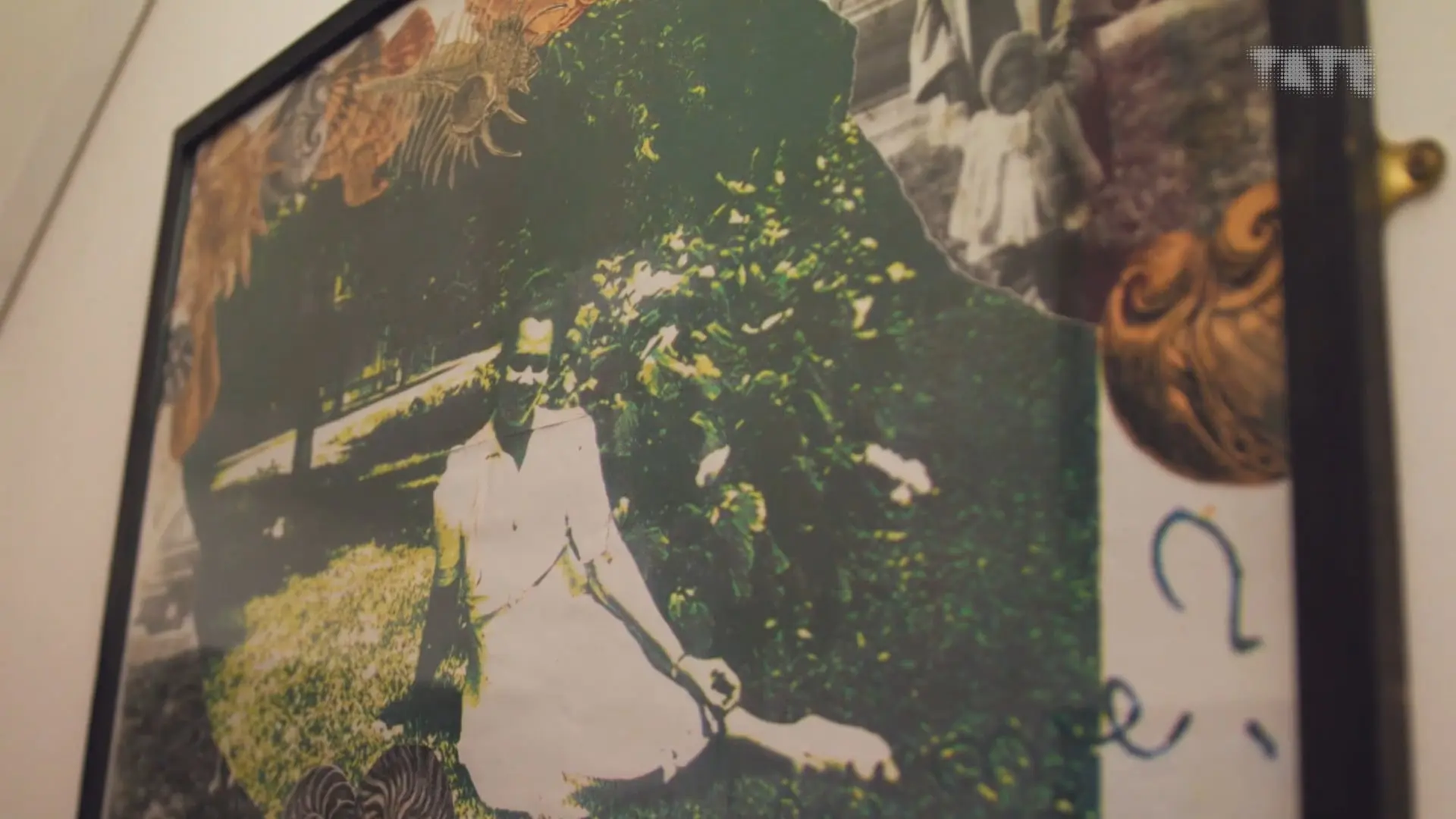
How can art inspire solidarity across borders?
Editorial Video
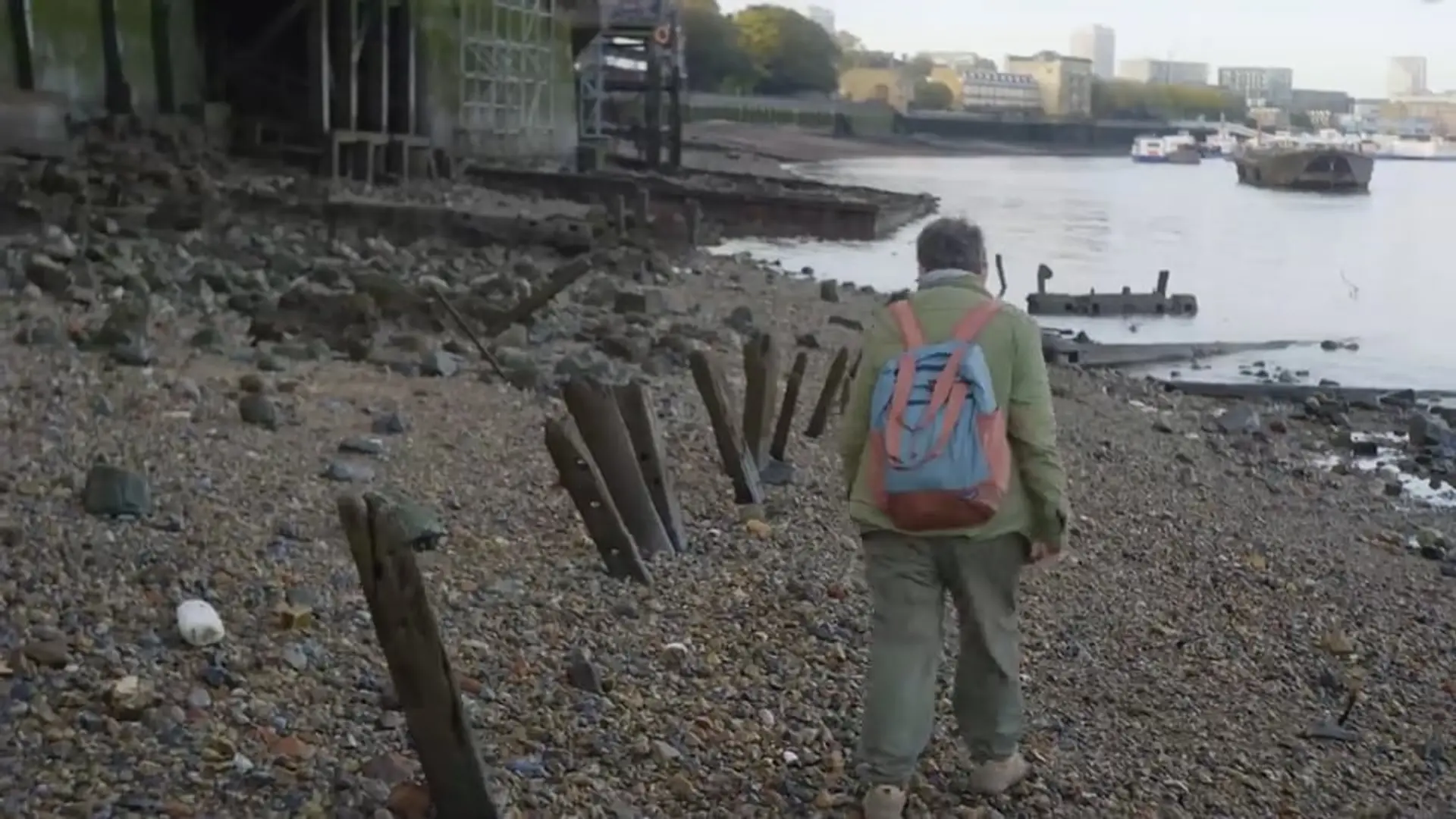
Water Walks: Arteries, rhythms and kinship
Related Content
Editorial Article
Curating While Breathing: Q&A with Manuela Moscoso
Editorial Article
Keeping the Work Alive: Q&A with Nabila Abdel Nabi

Project
Hyundai Commission: El Anatsui