Go behind the scenes with artist Kohui and Korea’s National Institute of Ecology on their transformative journey across Jeju Island. This expanded article features a short documentary on the project alongside first-person narratives from Kohui's team that delve into the development of the vision behind his work.
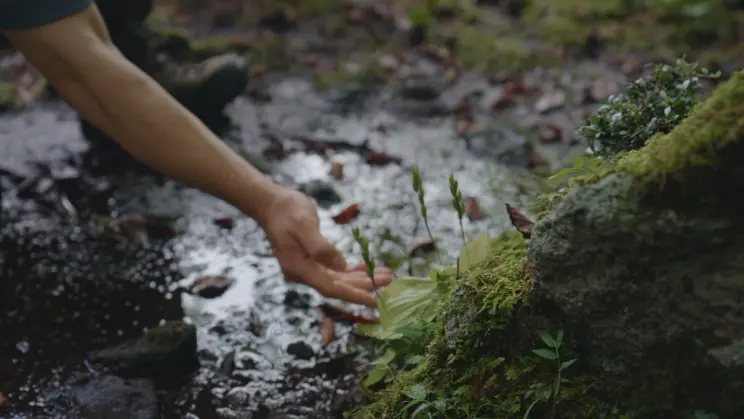
Artlab Editors: For Record for Disappearing Beings, an Artlab Digital Commission, South Korean artist Kohui traveled to Jeju, an island off the southern coast of the Korean peninsula, in order to commune with some of the last of its Indigenous endangered flora. Recording each of these distinct species and their surrounding environmental contexts from a safe distance through film and sound, Kohui’s project proposes alternative, non-destructive methods of conservation and data gathering.
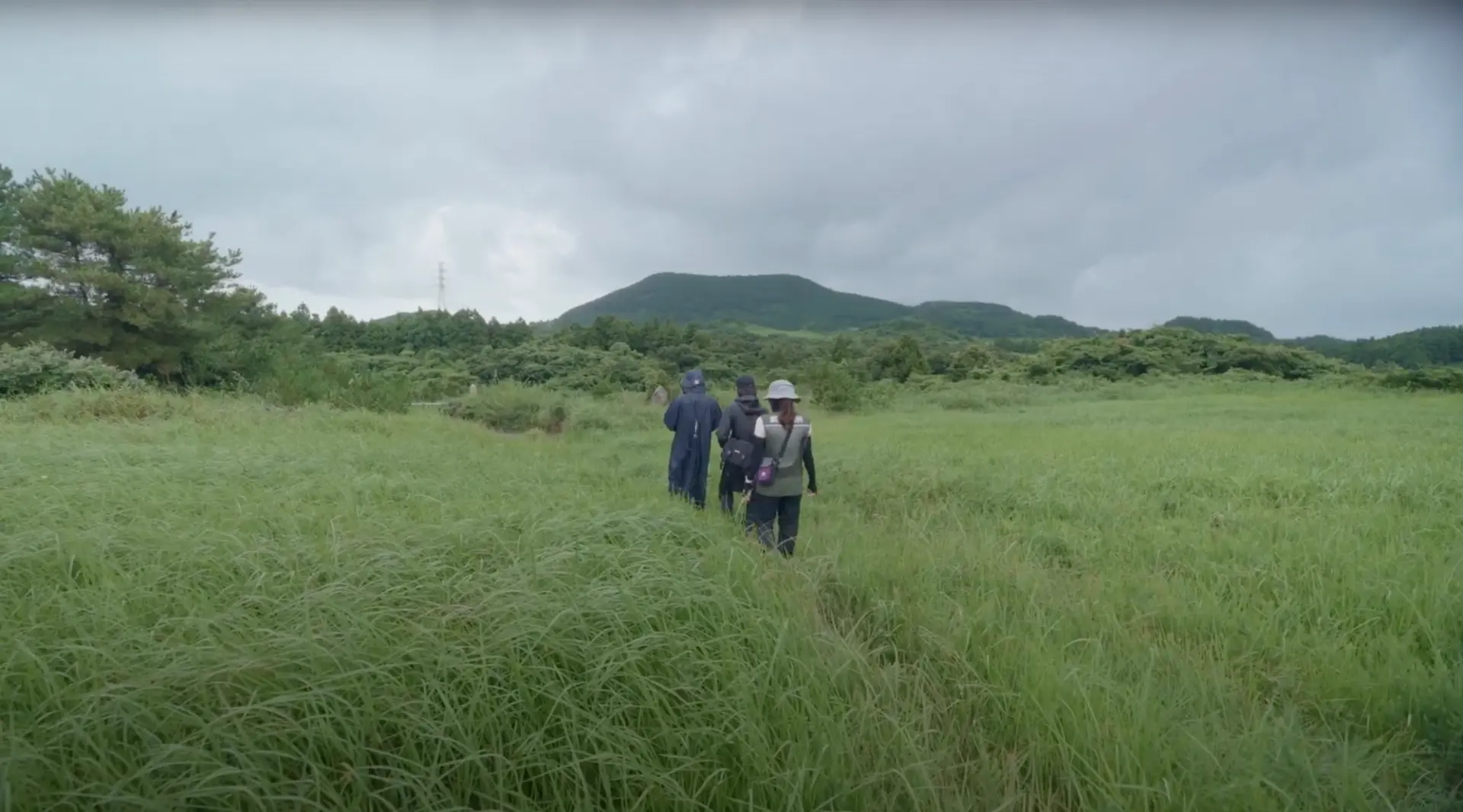
The accompanying behind-the-scenes film follows the artist, his team, and ecologists from the National Institute of Ecology, Korea in their arduous trek across the island’s microclimates and through a typhoon as they attempt to search for these disappearing species. Additionally, translator and writer Diana SeoHyung offers her own closely observed insights into Kohui’s practice and methods; just as Record for Disappearing Beings provides the greater contexts and conditions for Jeju’s endangered plants, so too does SeoHyung for the artist.
When I was first asked to be a Korean-to-English interpreter for the artist Kohui on behalf of Artlab, I was hesitant; I primarily work with written text, not speech. “Perhaps I could live caption as the artist speaks in Korean, like a ghost,” I suggested.
Through this role, I have come to know Kohui as an artist who thinks about sound in relation to natural phenomena. He speaks of his work focusing on “소리를 감각하는” which is aptly translated to “the act of sensing sound,”—wholly different from simply hearing. In this way, Kohui’s approach is a more encompassing understanding of sound as having bodily, emotional, and social attributes. This characterization resonated with me—I always begin by reading a text in its entirety to experience what the words are doing, lest I make myself prone to mistranslation by reducing words to data and information.
In Kohui’s previous works, including Quire from Moments (2023), the artist is shown playing a guitar in nature. He did not consider this as an additive performance, but a reciprocal sensorial experience where the landscape, air, temperature, and other sounds were fundamental. While presented as a video, the work is not a documentation but is instead a collage of recordings that comes together as an audiovisual piece. Through this assemblage, the artist further cements the idea that he is a participant, rather than a protagonist. This mediation is emblematic of Kohui’s disavowal of the hegemonic relationship between human beings and nature.
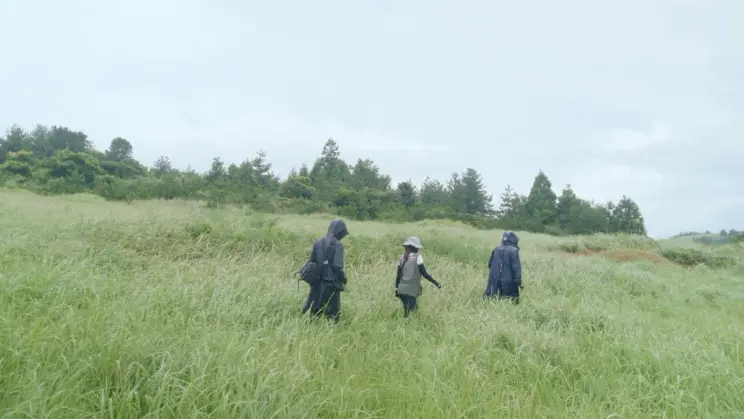
For his Artlab Digital Commission, Record for Disappearing Beings, Kohui turned his de-anthropocentric ethos to Korea’s Jeju Island. During a four-day journey, Kohui was joined by Park Kyung Min and Dr. Seo DongJin, researchers from the National Institute of Ecology, Korea; videographer, Eom Jihyo; and occasionally Dr. Lee SeungHoon from Halla Arboretum and Mr. Han SangKon from Hallasan National Park. It is with their collective dedicated assistance and expertise that Kohui set out to search for endangered plants, crossing difficult terrain through an unexpected typhoon.
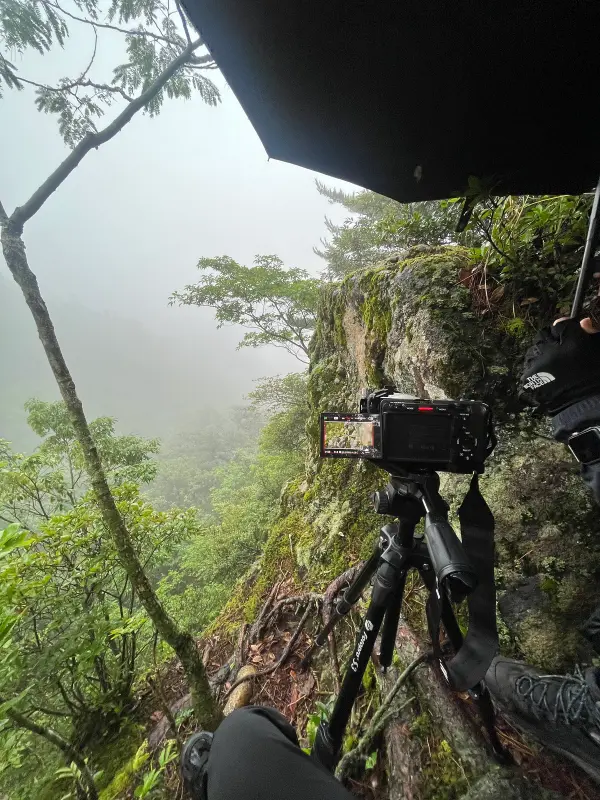
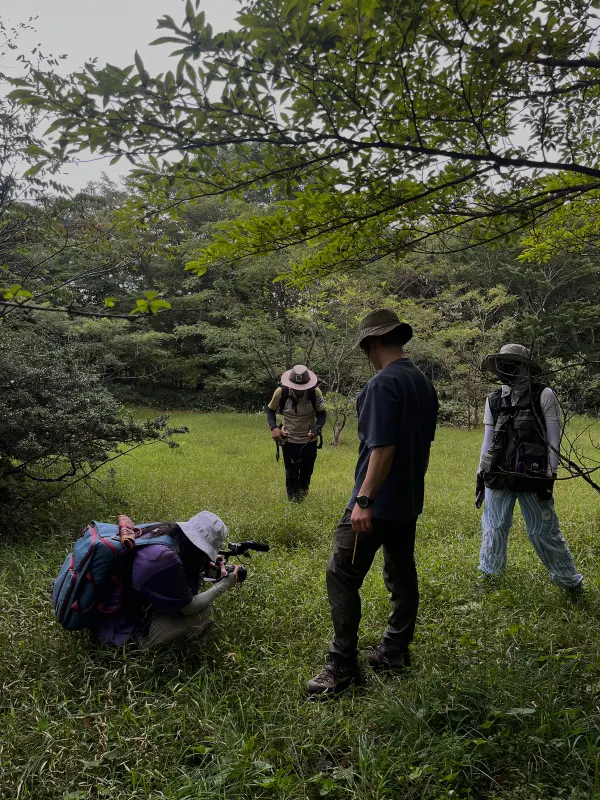
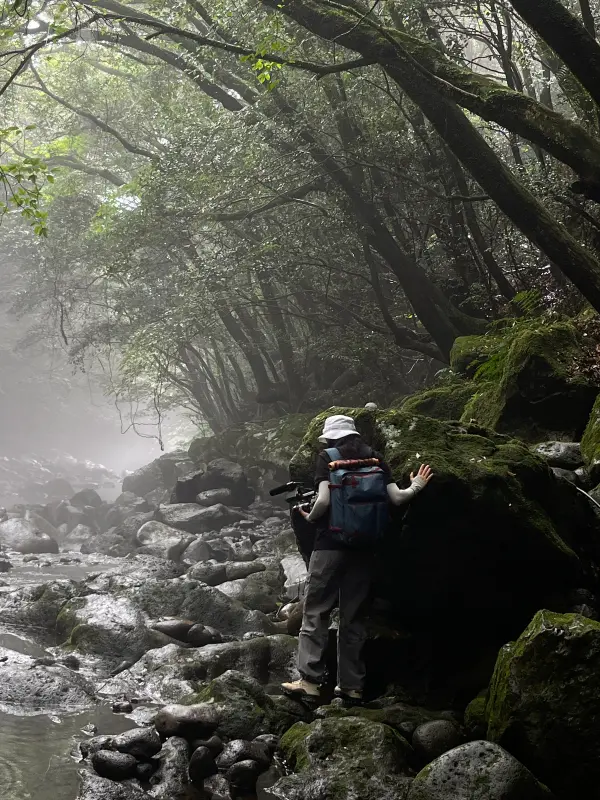
After the stabilization of the Korean economy in the 1990s, Koreans regained a keen interest in rare and special plant species. The surge in interest only added to the precariousness of their existence, since travelers and wildlife photographers, out of desire to be the only one to have captured a rare plant, would be known to sometimes pluck the plants after locating them. Plucked and discarded plants might miraculously drift with the wind to find and grow in a different location. There is no definitive answer for their declining numbers since many of these species possess distinct traits that require very stringent conditions for survival. Upon reflecting on this, the artist remarked, “These plants already had a limited population due to their uniqueness, their rarity makes survival challenging, but that doesn’t make them dispensable.”
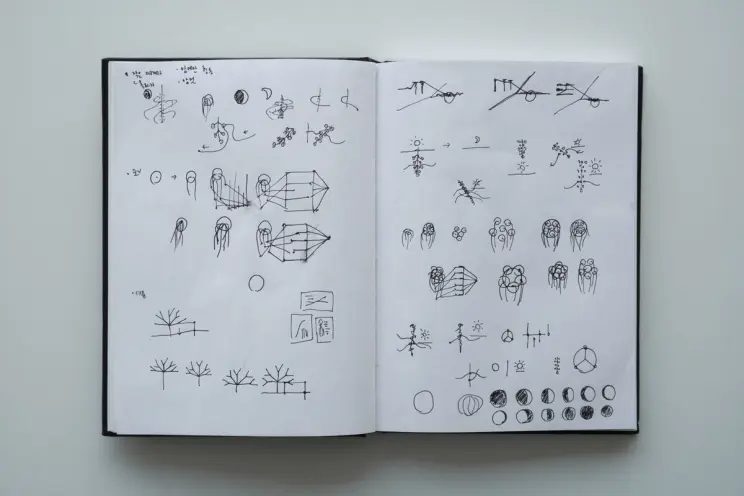
Kohui described feeling “묘하다” regarding all his encounters of these plants. This expression—roughly translating to “strange,” “peculiar,” or simply “weird” and rooted in the Chinese character “妙”—is often used in phrases that involve a state of wordlessness. It does not carry the same aggressive, pejorative associations of its English translations—it is more about being put into a space of confoundment, even to sublime effect. Kohui’s audiovisual ‘algorithm scores,’ though varying for each plant, contain ambient sounds that give a sense of sound dispersing within space. One is not able to place exact instruments as a result. The notes are multi-layered, creating harmonies, though not in perfect sync. Top notes can be discerned and called a melody, but not for long, as the echoing ambience seems to subsume moments of individual notes. In this way, these sounds translate the moment of Kohui’s encounters with each plant, moving between the self and its forgetting, recognition, and disbelief.
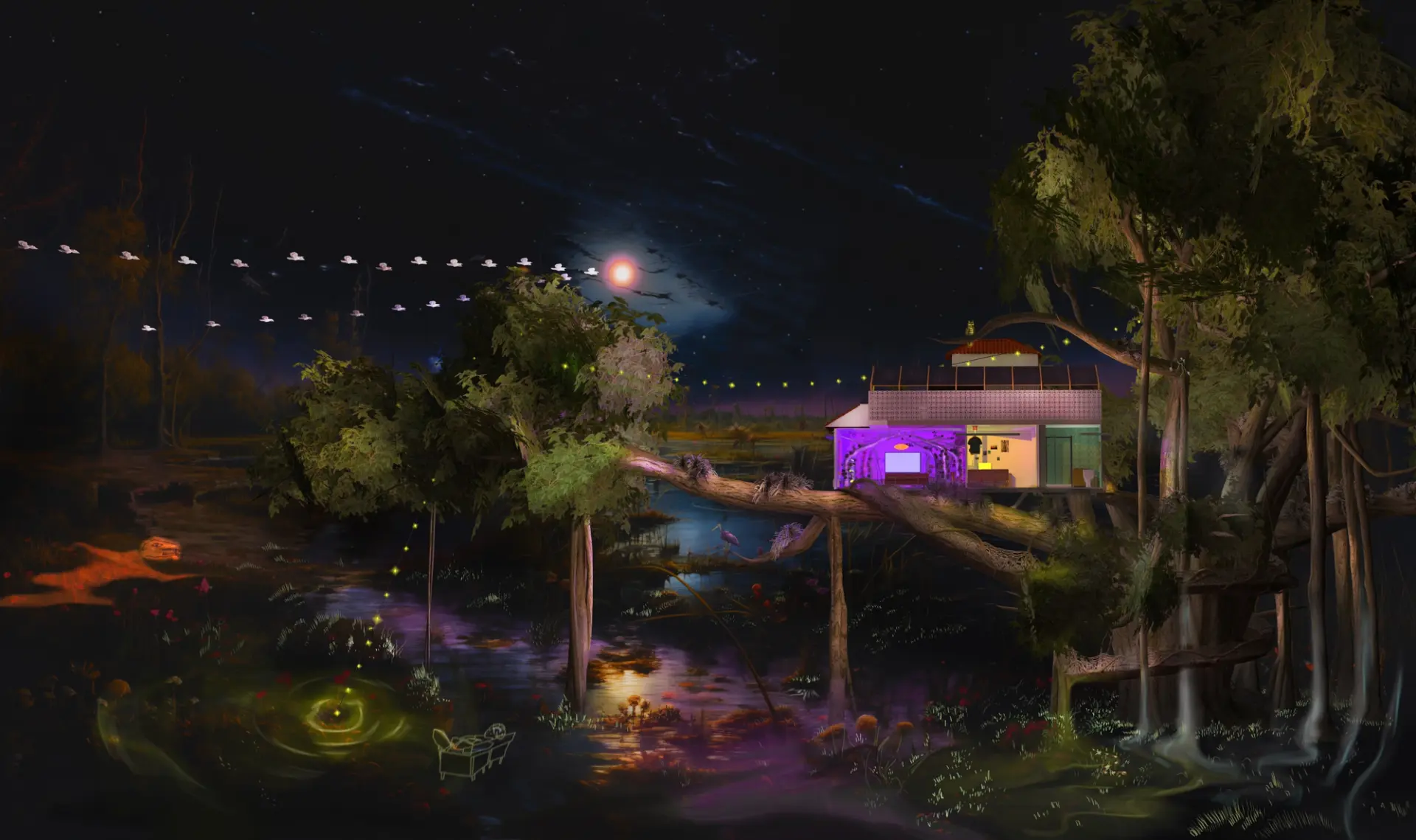
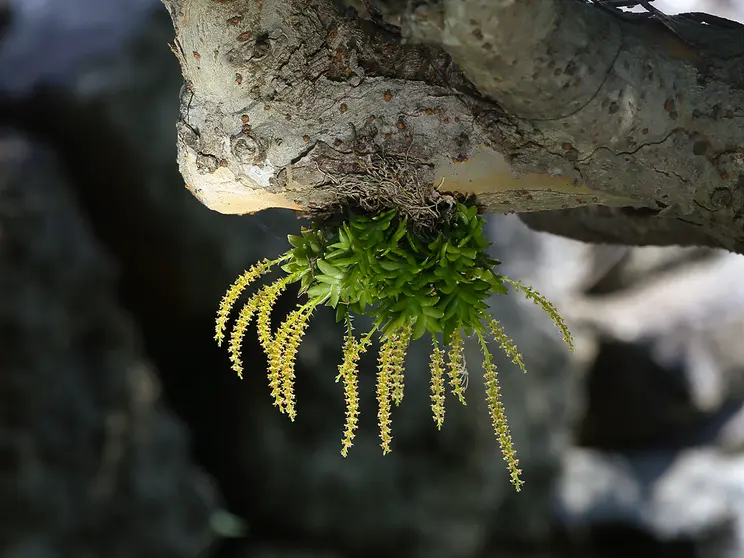
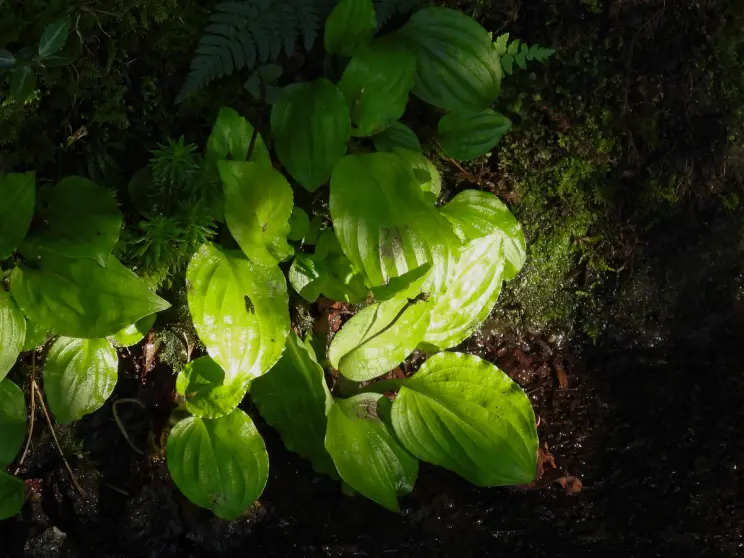
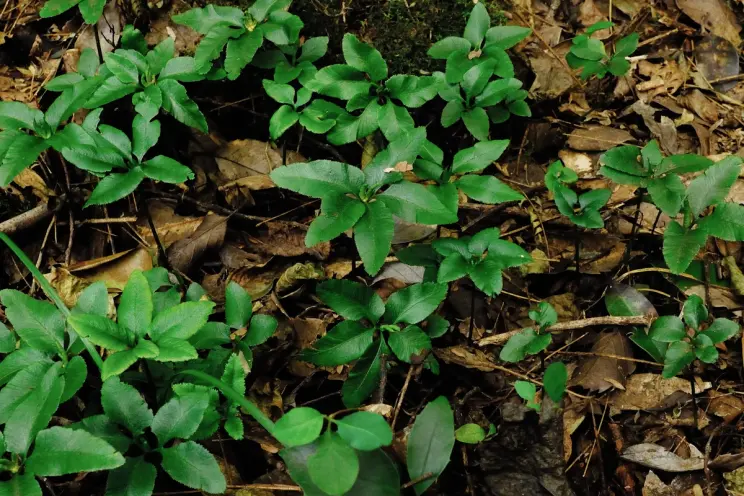
Kohui’s audiovisual ‘algorithm scores’ also contain algorithmic visuals driven by individual plant characteristics like form, habitat, and growth process. “I avoided using human symbols, such as arrows or text…human symbols and languages are for humans,” the artist remarked. “I wanted non-human entities to be able to understand the language I used.” In the track “Flow,” which is based on the Liparis auriculata, Kohui visualized the stream he saw flowing in front of it, as well as the cars passing alongside the adjacent road. “Penumbra” is based on Oberonia japonica, a plant that tends to hide in the shade but can be located in the rare moments when it catches the light.
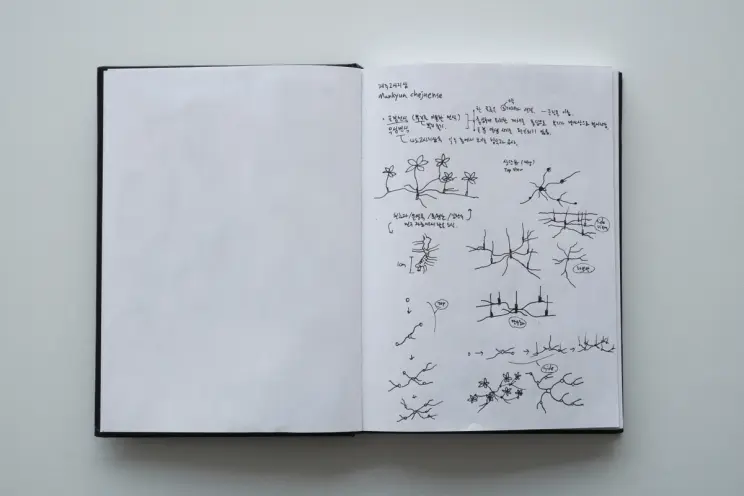
In Walter Benjamin’s “The Task of the Translator,” the cultural critic writes, “If translation is a form, translatability must be an essential feature of certain works.” It seems that as a translator of natural phenomena into art, Kohui is always asking whether plants should be translatable to human experience (and if so, how). Through multi-disciplinary form, Kohui’s work allows audiences to approach and connect with these plants from a respective distance. As such, Kohui’s work as a translator of Jeju’s endangered species captures something far greater than the sum of its observable data points—something closer to meaning.