Hyundai
Hyundai Blue Prize Art + Tech 2020: AI: Love and Artificial Intelligence
Hyundai Blue Prize Art + Tech 2020: AI: Love and Artificial Intelligence
Hyundai
About the Exhibition
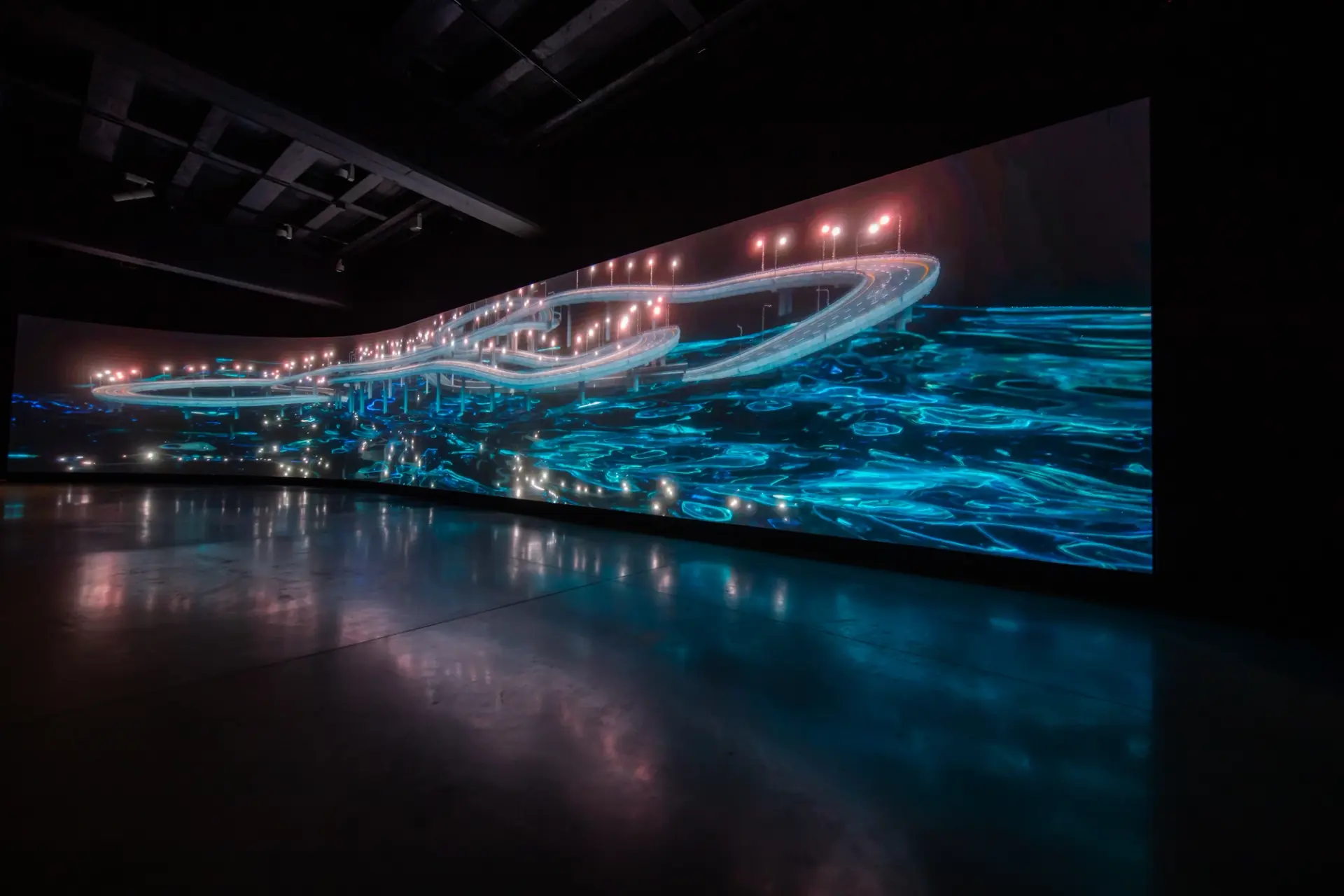
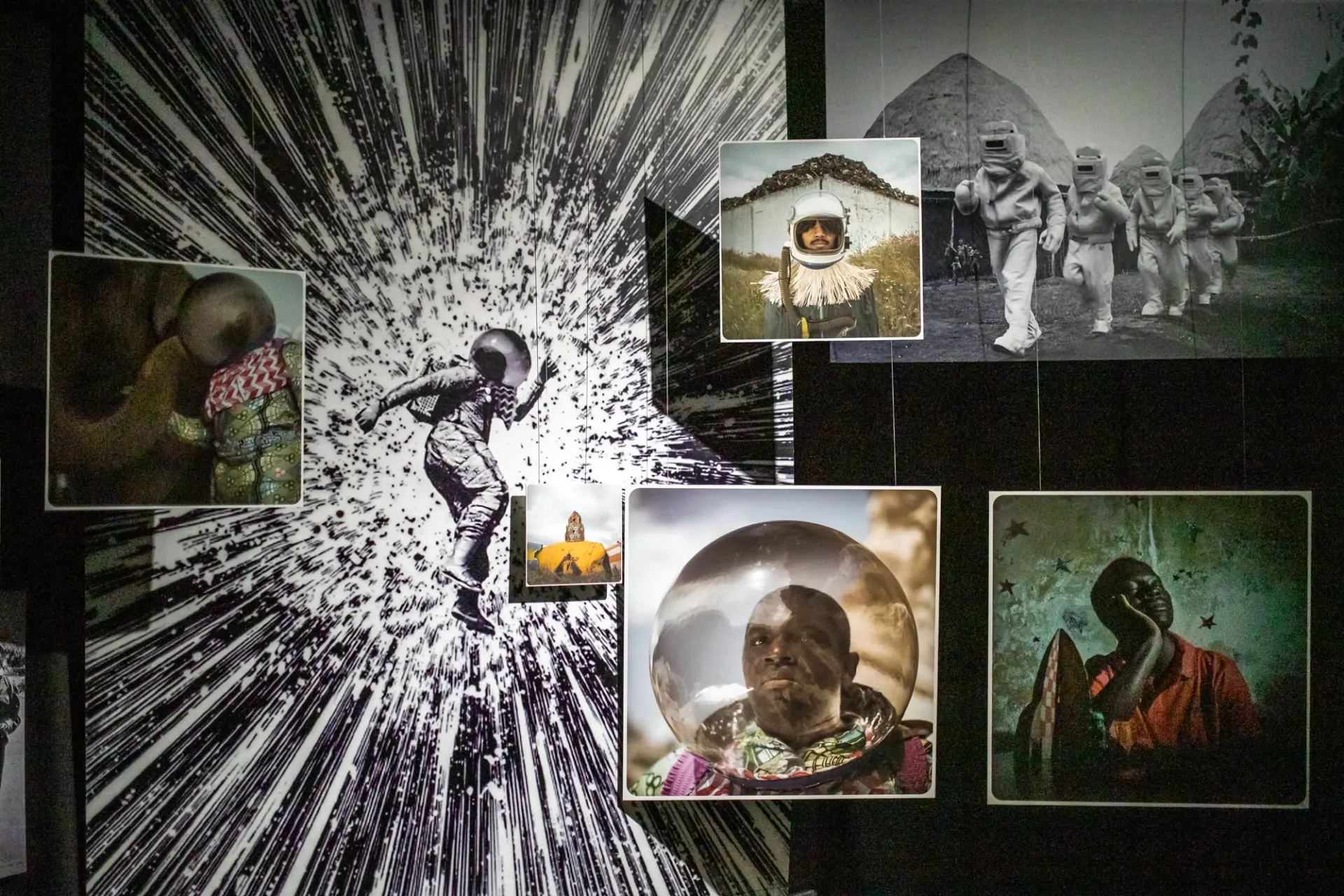
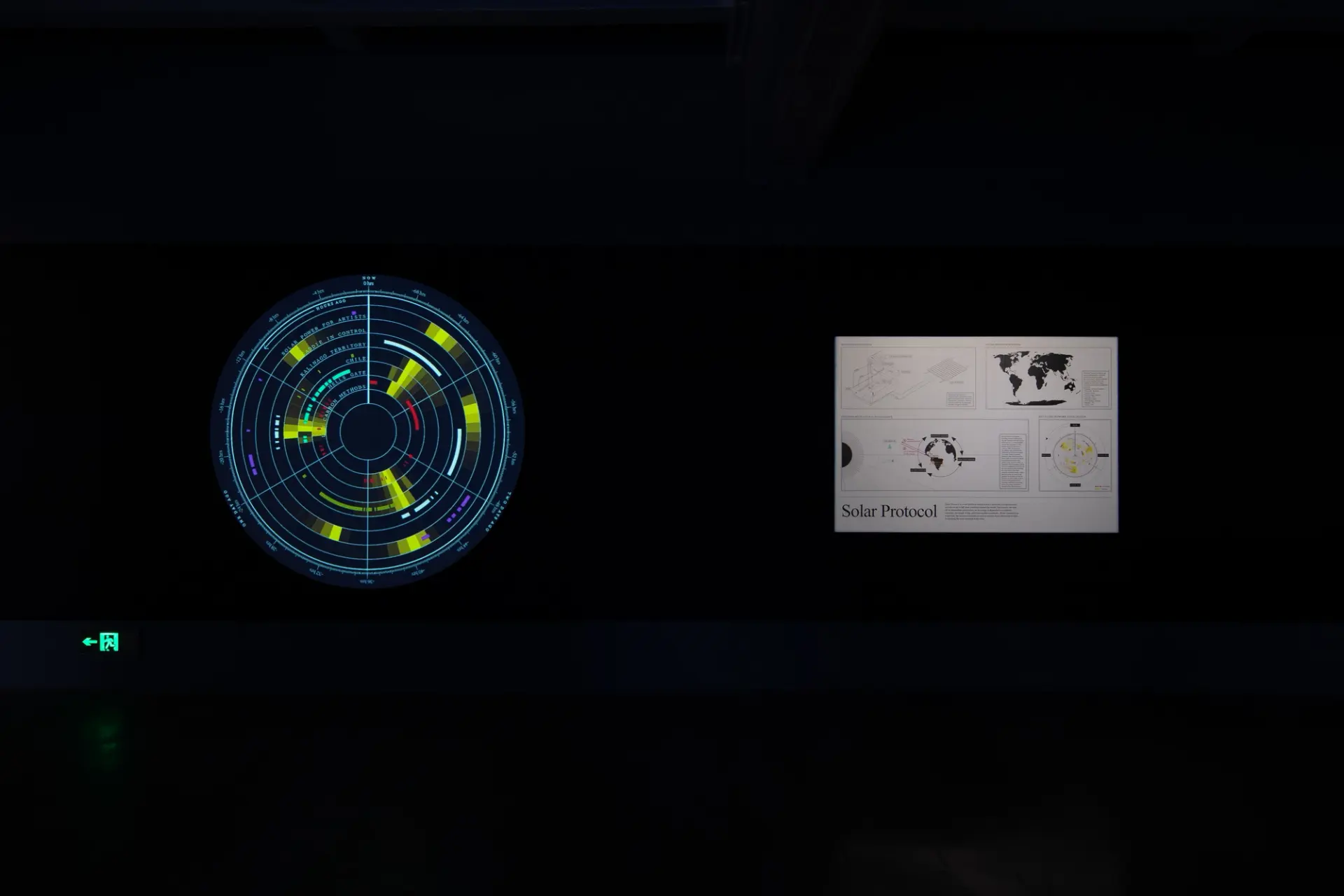
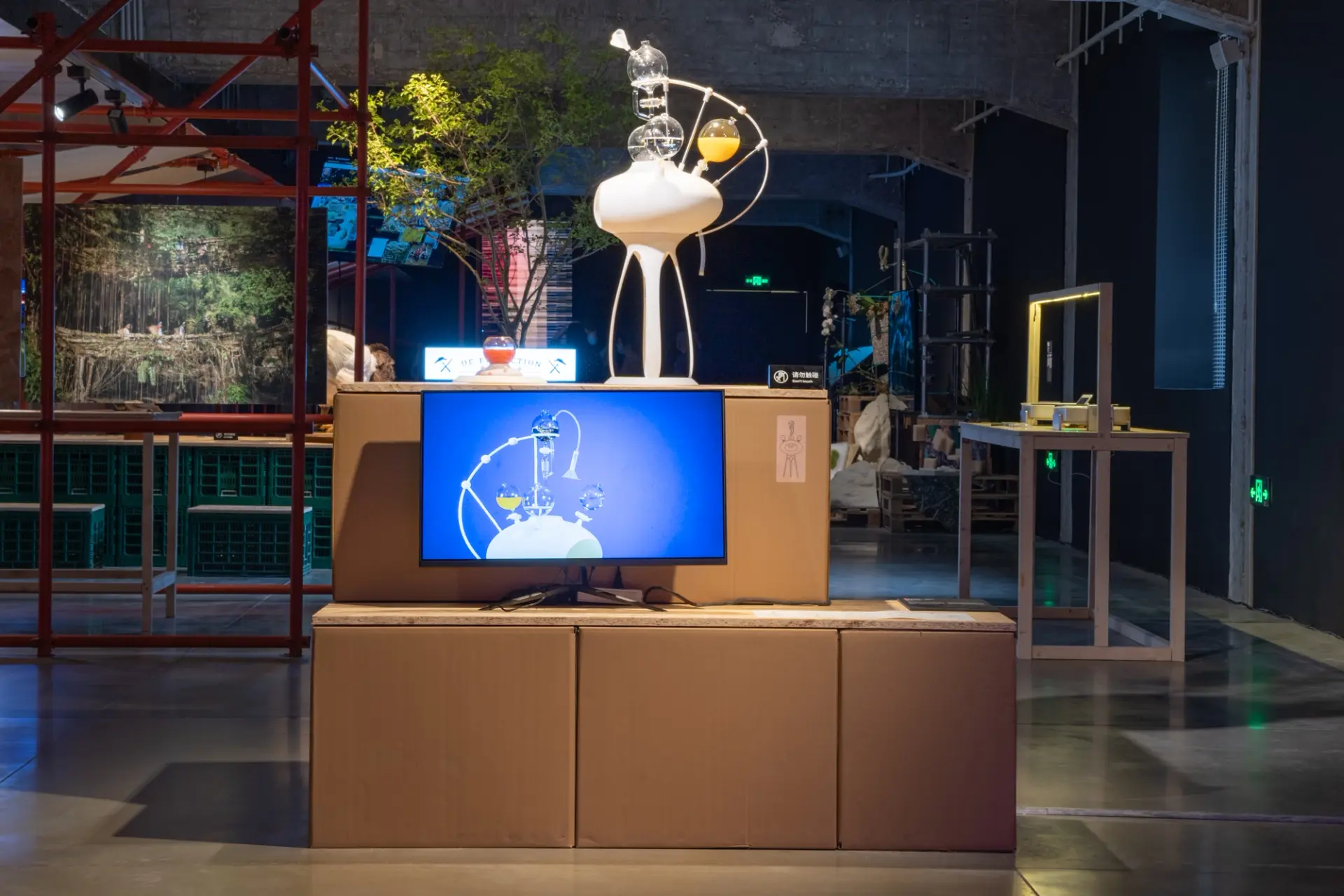
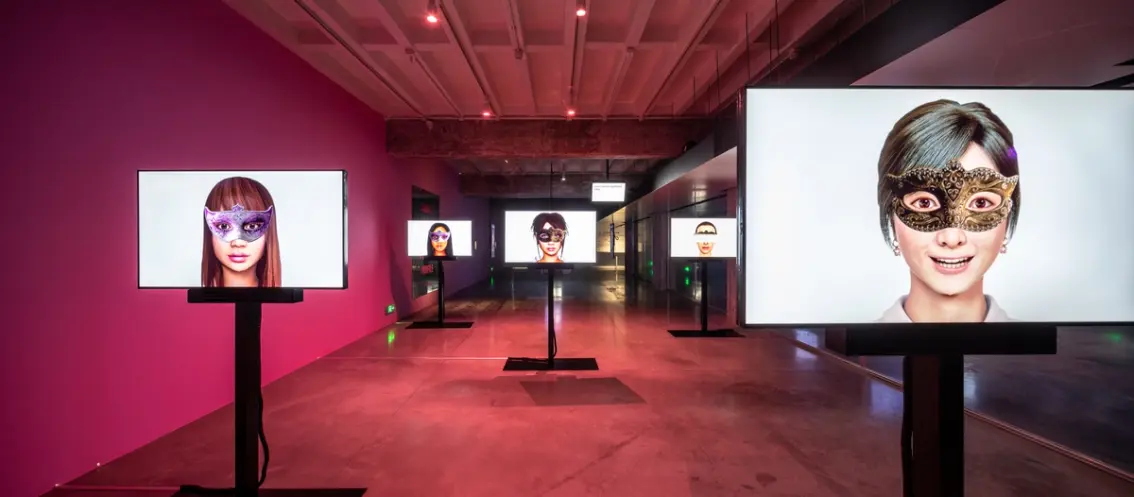
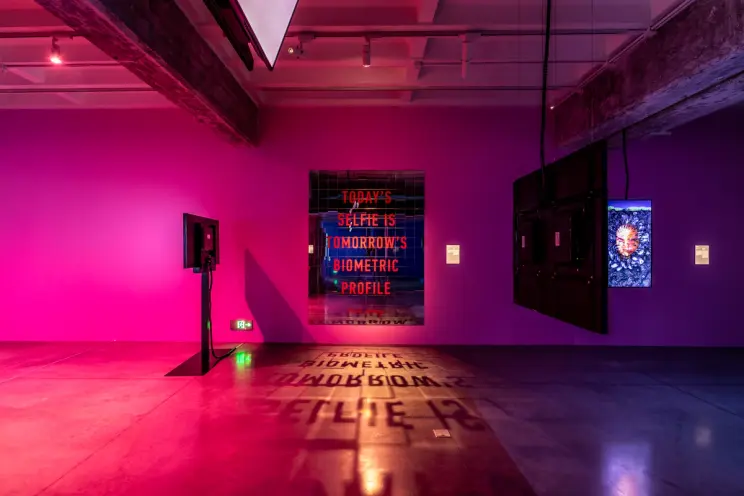
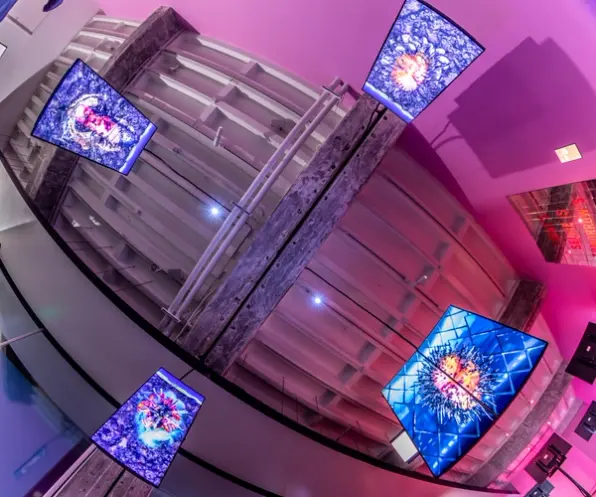
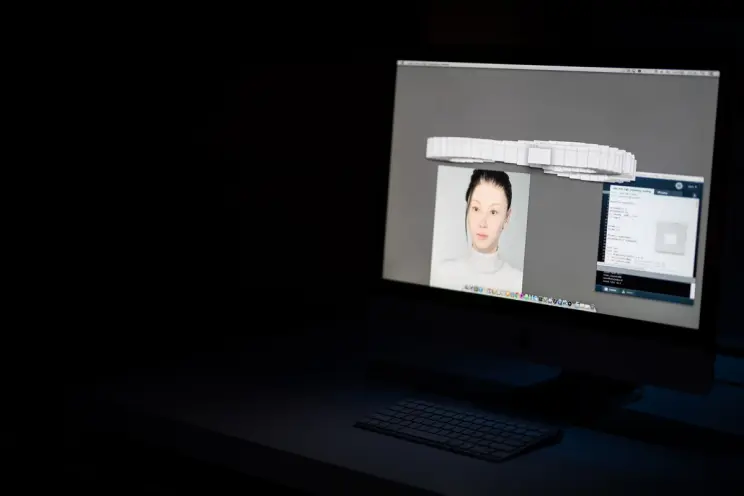
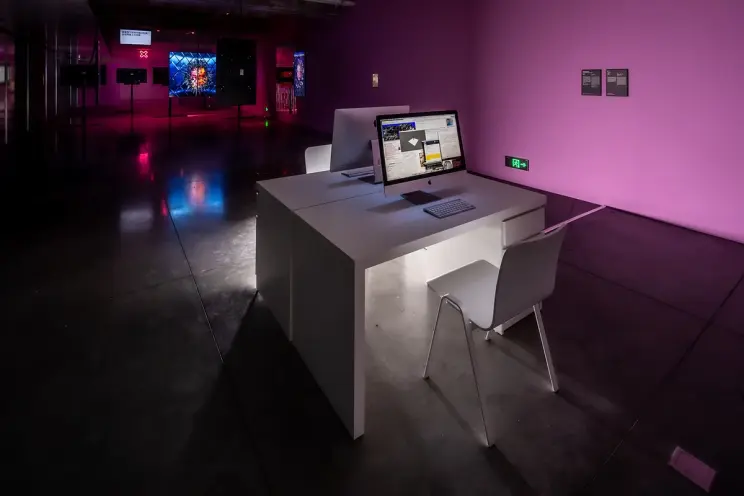
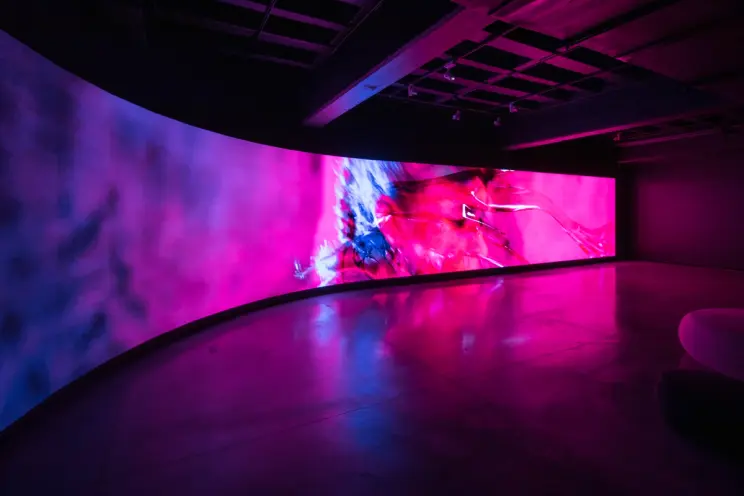
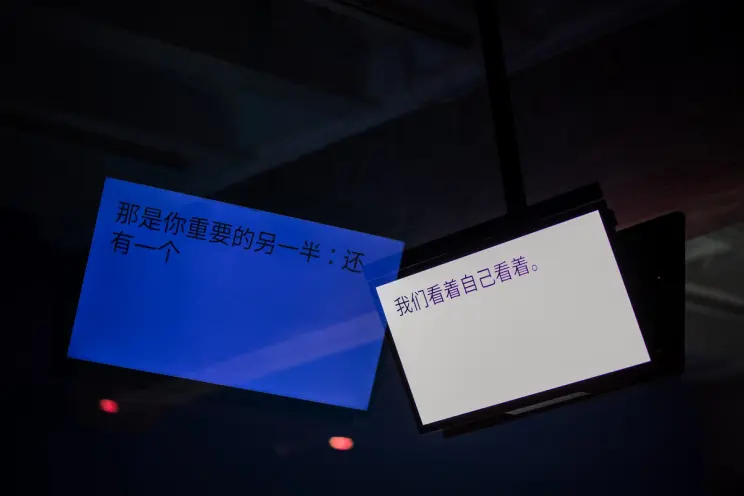
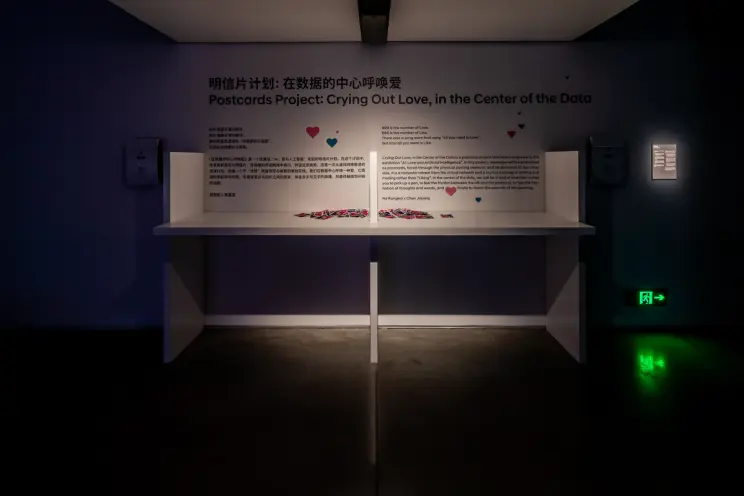
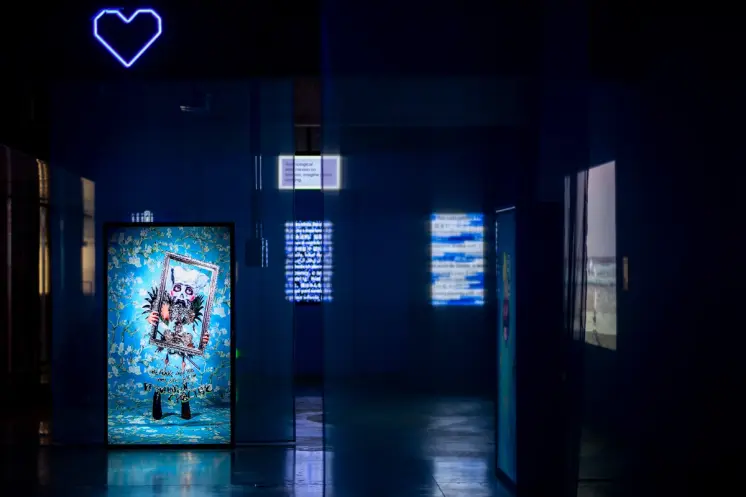
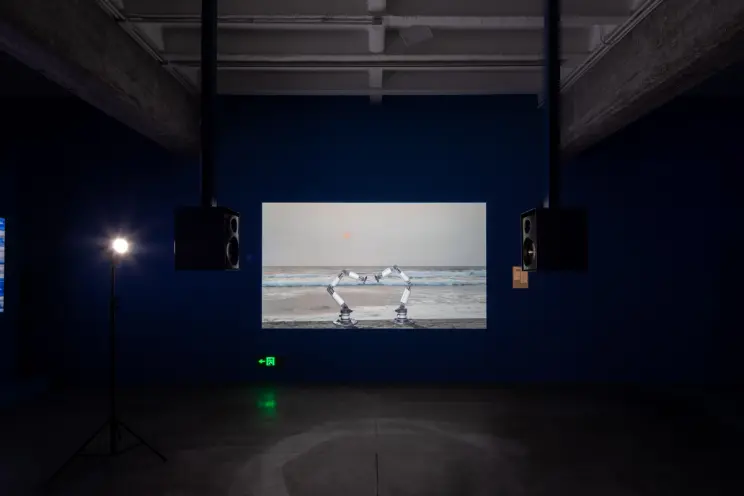
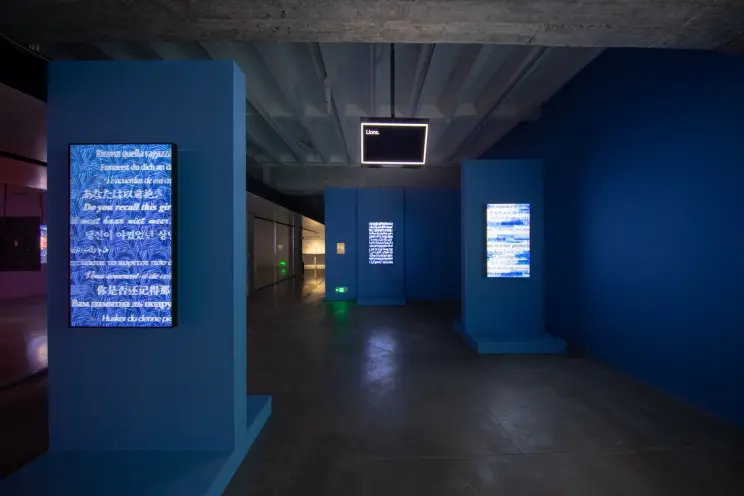
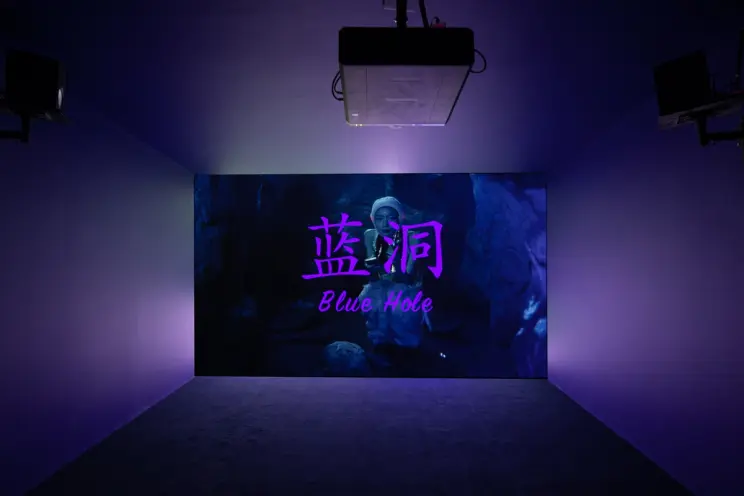
Chen Jiaying’s Hyundai Blue Prize Art + Tech 2020 exhibition AI: Love and Artificial Intelligence, which addressed the theme “Social Intelligence,” delved into the interplay between modern love and artificial intelligence, highlighting the unique confluence of language and technology in which “AI” stands as a pun—the pronunciation of “love” in Chinese writing and “Artificial Intelligence” in English. This formed the core of the exhibition, which focused on how contemporary generations define and navigate love in the age of social networking. The artworks scrutinized a number of related topics, including how emotional decisions are influenced by algorithms, the dynamics of online love affairs, and the physical intimacies of long-distance relationships (‘Eros’). At the same time, it explored the bonds formed and broken by big data, which unites like-minded individuals while isolating dissenters (‘Philia’).
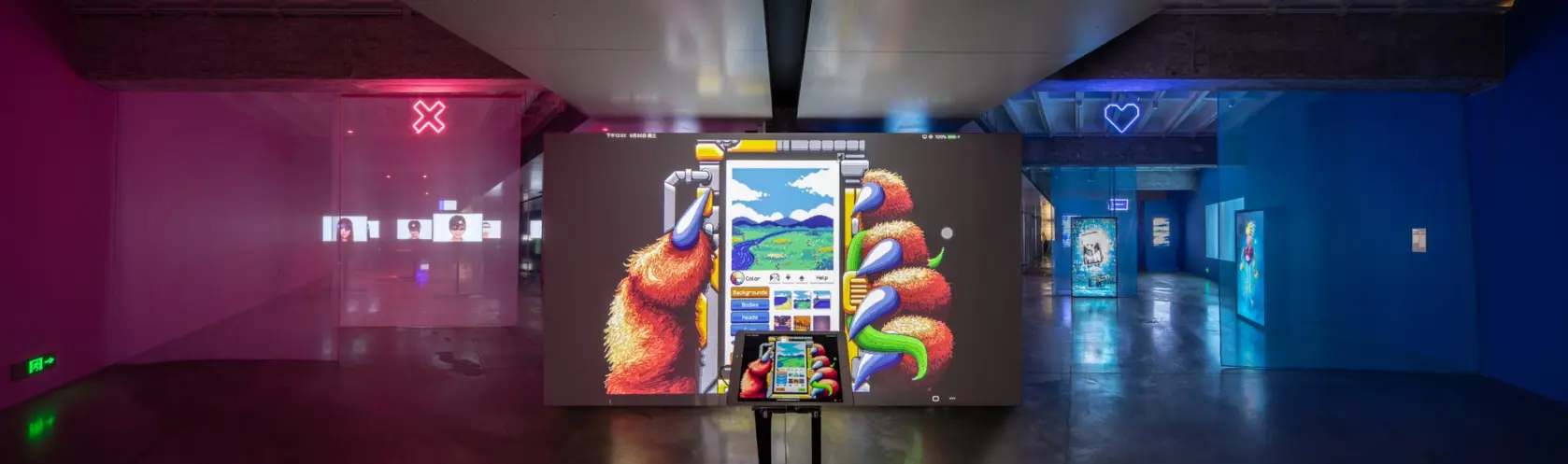
The exhibition was designed as a dichotomous structure. Inspired by the “swiping right to like” and “swiping left to dislike” mechanism found in virtual dating apps—which leads users to two different spaces—this structure served as a metaphor for the ways our emotions are manipulated online. Such romantic relationships are often perceived as “natural” interactions, despite not occurring in the same physical space—they involve groundless affection and remote performances of sexual desire. In this dynamic, the internet offers greater freedom for millennials to express their instinctual egos, as the physical world and its inhabitants increasingly feel distant. These subtle emotions, which connect to our “inner selves,” spread ubiquitously across the fiber optic network, prompting a vital question: does connection in the virtual world mean detachment to the real world?
As visitors traversed the exhibition, they were guided through a spatial representation of online behavior and experienced the impact of digital choices on our emotional lives. Every interaction, from likes and dislikes to clicks and un-clicks, not only generated personal data but also directed the visitor’s experience, mirroring the privacy negotiations inherent in our digital engagements, and ultimately revealing that we lack authentic choice in our these options.
Participating Artists
Aaajiao
!Mediengruppe Bitnik
Benjamin Berman & Miguel Perez
Chen Zhou
He Rongkai
Jonas Lund
Liu Shiyuan
Stine Deja
Wang NewOne
Frank WANG Yefeng
Adam Harvey
Johanna Bruckner
About the Curator
Chen Jiaying is a writer and curator. Jiaying studied Art History at the China Academy of Art and Western Philosophy at Eastern China Normal University. Jiaying’s projects include Copernicus (2019, Rhode Island College, Providence); Liquid Health (2019, Goethe Space, Shanghai); the first edition of the Shanghai Curators Lab (2018, Shanghai Academy of Fine Arts); PSA Emerging Curators Project 2018 (Power Station of Art, Shanghai); and Sanya Huayu Forum of Art (2016-2017, Sanya, Hainan). She has contributed to media such as Artforum, Artshard and NOWNESS. Her article “Post-Internet Art Inside and Outside the Chinternet” was included in the collection of essays Forces of Reticulation, published by China Academy of Art Press. Jiaying co-wrote and edited Shanghai Contemporary Art Archival Project 1998-2010 (2017), which was published by MOUSSE.
About the Program
Hyundai Blue Prize Art + Tech
Initiated in 2017 by Hyundai Motor, Hyundai Blue Prize has supported emerging curators through Hyundai Blue Prize Art + Tech in China and Hyundai Blue Prize Design in Korea. Since its launch, Hyundai Blue Prize Art + Tech has recognized and nurtured emerging curators in China, providing a platform to engage with the international art scene and develop innovative curatorial perspectives. The program has also served as a valuable training ground for curators across diverse fields. In 2025, the initiative evolved into Hyundai Blue Prize+, expanding its scope to transcend boundaries, cultivate interdisciplinary research, and foster transcultural conversations.