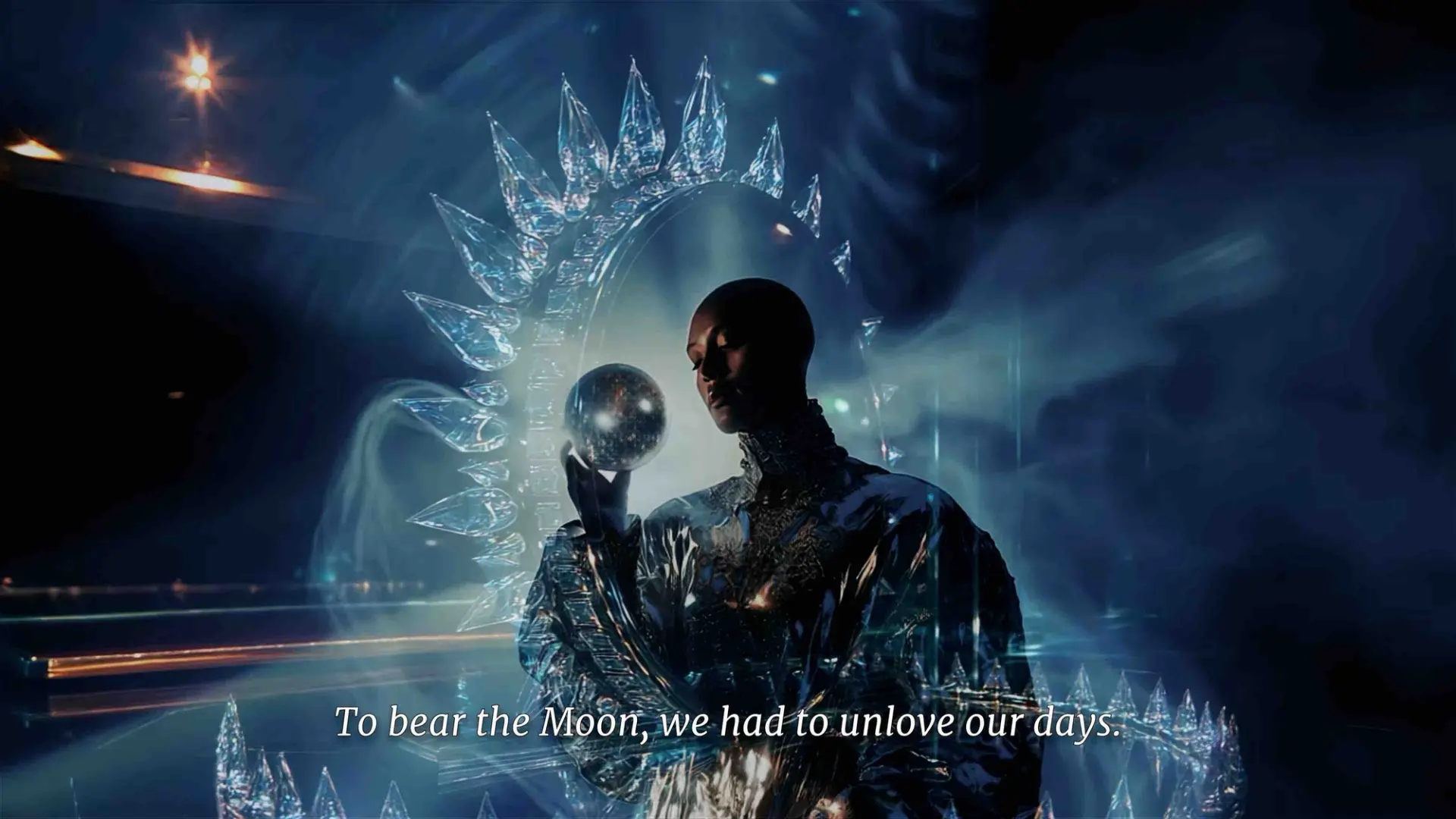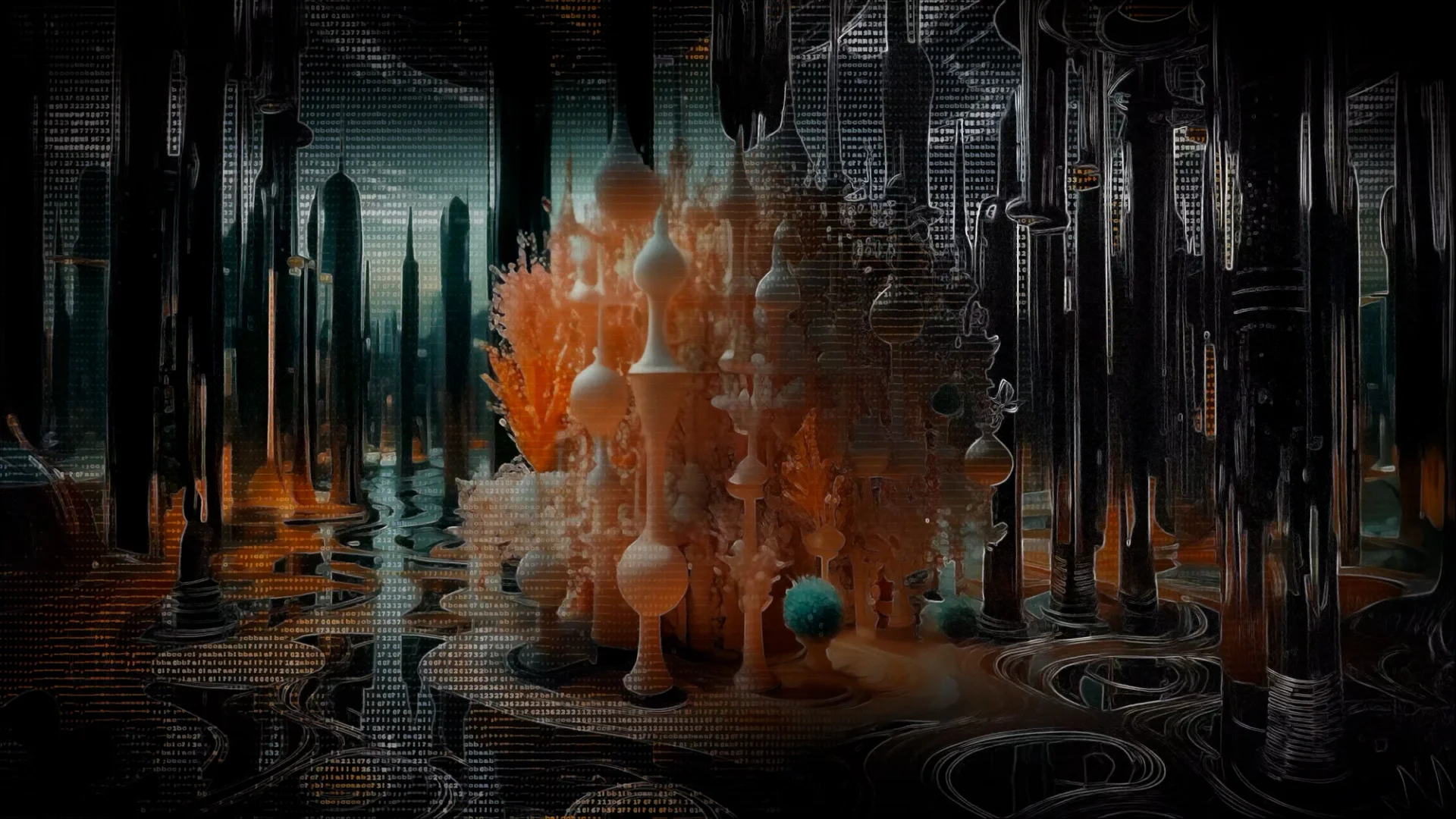
Still Image: Lena Bui, dream(machine, human) (2025)
On the occasion of the 6th VH AWARD—which supports emerging media artists in Asia—art critic Dawn Chan spoke with the five finalist groups in in-depth discussions about their artworks.
This is the second part of a two-part Q&A. For part 1, read here.
Dawn Chan: The literary theorist N. Katherine Hayles wrote in a 1993 essay: “Like the landscapes they negotiate, the subjectivities who operate within cyberspace also become patterns rather than physical entities.” Hayles added: “As long as the pattern endures, one has attained a kind of immortality.” As everything subjective—thoughts, memories, voices—now seems to sooner or later end up digitized, it is no surprise that artists intrigued by the rapid technological change around them might begin to ask how such subjectivities are ultimately translated into the patterns about which Hayles writes.
Two of this year’s VH AWARD finalists—artist Lena Bui, and the duo Tianyi Sun & Fiel Guhit—have created prescient works focusing on the role of language and data in converting subjective experience into enduring patterns. In Sun and Guhit’s 40 Epochs, a protagonist is seen in airy living rooms and near laundry machines performing the laborious task of reading textual fragments from a corpus of sentences needed to train a text-to-voice model. Meanwhile, the oneiric scenes from Bui’s dream(machine, human) seem to suggest that digitized data might be one of many forms of collective knowledge—along with traditional dance, candlelit river rituals, lullabies, even traffic patterns around a rotunda—that could eventually even be translated into some kind of transhuman awareness.
The second of a two-part conversation series with the five finalists of the 6th VH AWARD, in the following Q&A, I spoke to Sun & Guhit, and Bui about how their evocative and surreal films reveal how our current technological landscape is reframing our relationship to knowledge and experience.
TIANYI SUN & FIEL GUHIT
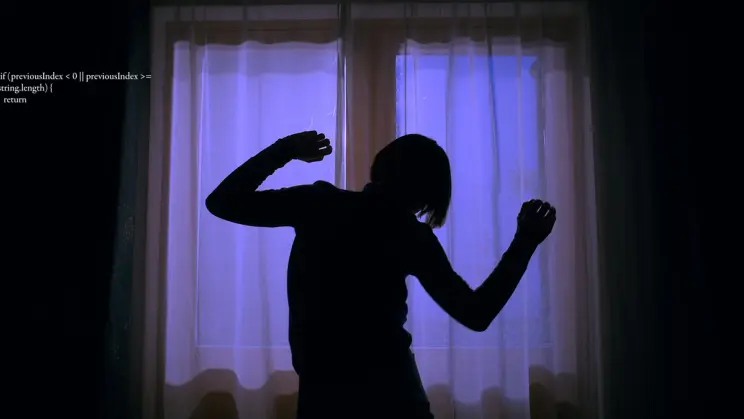
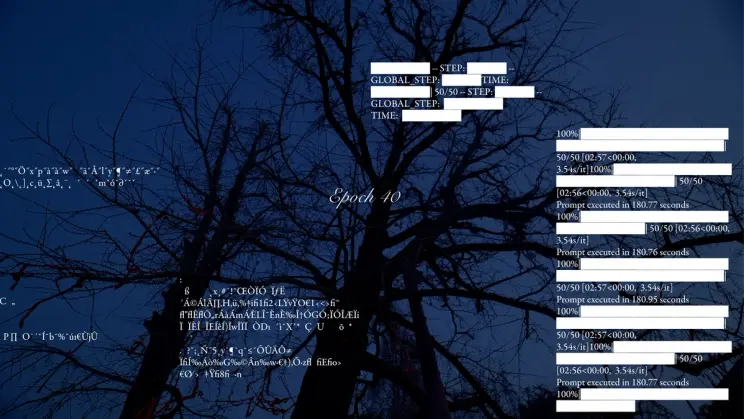
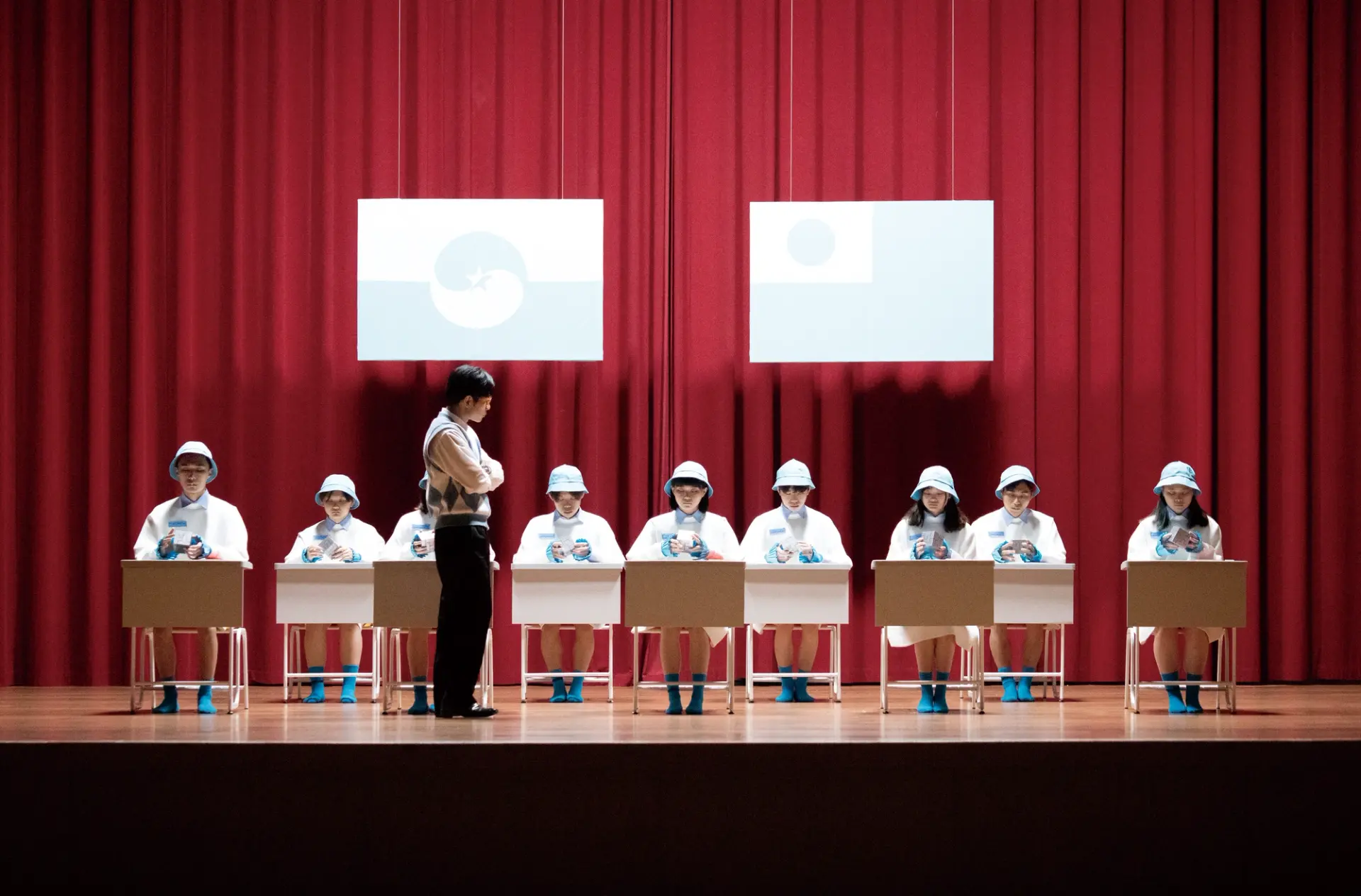
Dawn Chan: The AI voice training in your film seems to be happening within a simply furnished, comfortable room where there are also domestic chores like laundry taking place, as well as gusts of wind, desk-lamps lit at nighttime, fish swimming about in a fish-tank, and so forth. In what ways do the feelings inspired by these interior scenes correspond to or contrast with the inner experience of creating the repetitive utterances of the script?
Tianyi Sun & Fiel Guhit: The scenes you describe all carry symbolic weight while also reflecting the banal and often overlooked realities behind technological systems. But what was also important—and challenging—for us was composing an almost deliberately romanticized tone. We wanted to capture how labor can be aestheticized: the labor of voice training, staged within a world of gently lit, melancholic sensory calm. But that romanticization is itself a construction—a kind of illusion, set in a foreign yet comfortably familiar place. In reality, the labor behind training synthetic voices is often invisible, anonymized, and dislocated—reduced to data, detached from place or personhood.
By situating this process within an recognizable and intimate interior, we were interested in troubling that dislocation—re-inserting the body, the room, the hum of banal daily life. We were aware that this gesture creates its own fiction: one where technological labor appears beautiful, even meditative. The setting becomes both critique and metaphor. It mirrors how technological systems are often wrapped in narratives of accessibility, care, calmness, or inevitability, even as they obscure the messy human realities that underpin them.
So the room is not a faithful reconstruction, but a speculative one—a space where the affective and the algorithmic overlap, where labor becomes both visible and aestheticized. That slippage is intentional. It asks: What does it mean to find comfort or beauty in repetition? To romanticize the act of training, teaching, caring for a system that may, ultimately, erase its source?
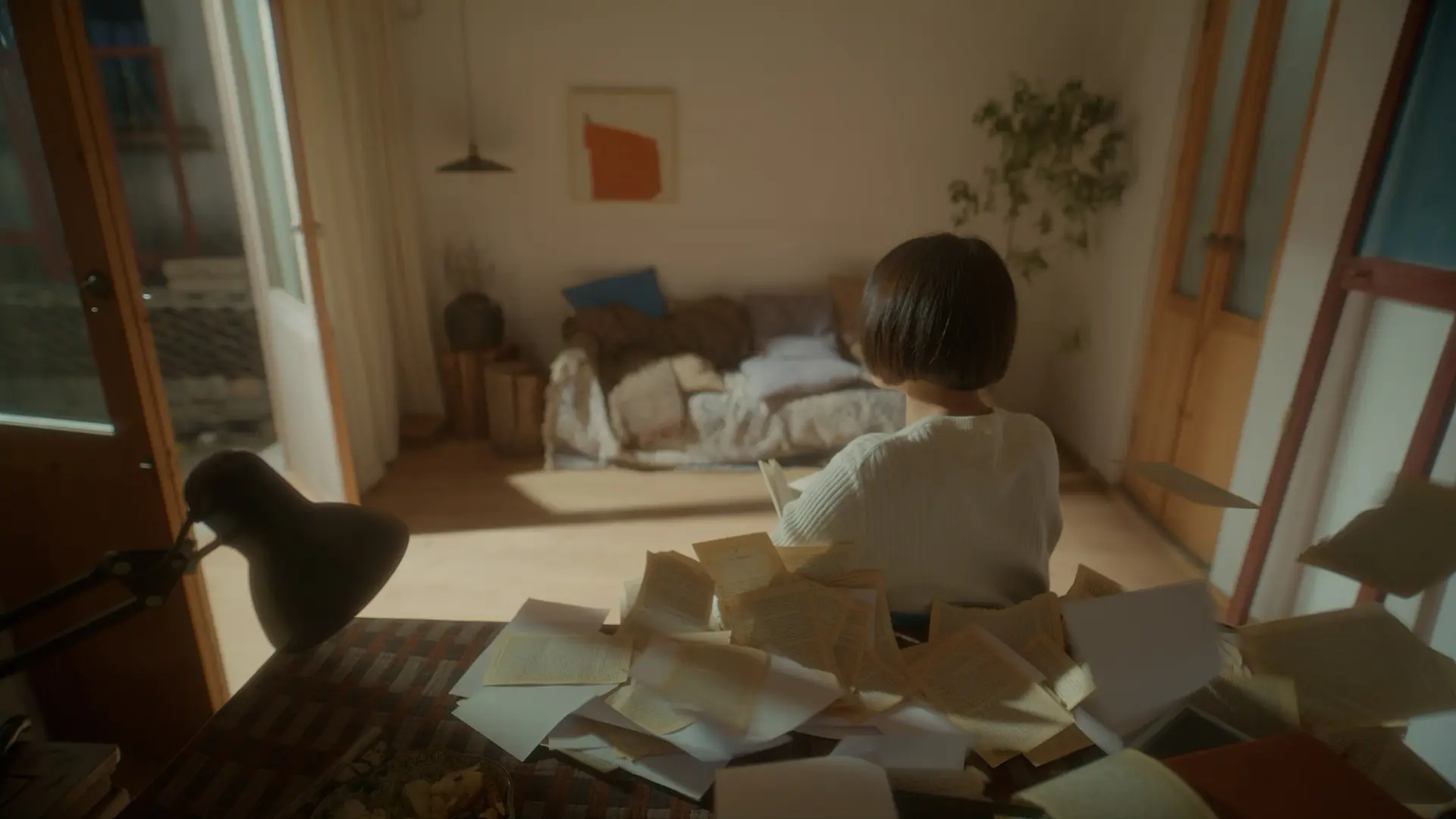
Still Image: Tianyi Sun & Fiel Guhit, 40 Epochs (2025)
Dawn Chan: You have written about the connection between displacing one’s own voice into the realm of the machine, and the displacement one might experience as being part of the Chinese and Filipino diasporas. How do those two sorts of displacements feel parallel, or different?
Tianyi Sun & Fiel Guhit: One of the bemusing moments we experienced while developing the voice model was hearing Tianyi’s voice generated for the first time. When we heard it emerging in those early generations, it was initially that wincing feeling you get when hearing your voice in a recording (“eww I sound like that?”). That turned into playfulness—making her voice recite oddly stressful renditions of Top 40 hits before experiencing an unsettling reflection prompted by hearing Tianyi’s voice say things she’s never said before. Who exactly is this voice for? What would they use it for? Whatever the answer was, something felt far more consequential underneath it all.
Our questions pivoted to speculation, imagining the alienation one might feel having the faithfulness of their own voice betray them. It brought to mind techno-orientalist tropes of a subservience that is so ubiquitous to the Western imagination. It felt as if the ability for anyone to create and use this voice crystallized an implicit hierarchy: identifying who is to consume, and who is to be consumed.
One doesn’t have to look far to find a deluge of AI-generated content appropriating an “Asian” aesthetic, flattening and erasing genuine cultural nuance and depth—something all too familiar within the Asian diaspora. In machine learning, being an outlying data point is equivalent to being mathematically invisible; data must flatten itself in order to be effective. Performing the flattened “Asian” then becomes a mode for being, and any deviation of this performance inhibits the freedom to flourish, moving through time at the behest of maintaining the efficiency and optimization of structures that flattened them in the first place.
The experience facilitated by the voice model is nothing new. There’s a recurring precedent of displacement, flattening, and erasure echoing through consecutive epochs in the name of progress and innovation. Generative technologies merely continue—and even intensify—these longstanding traditions. The critical question now becomes: can these same technologies be used to understand the shortcomings of the very structures they reinforce?
LENA BUI
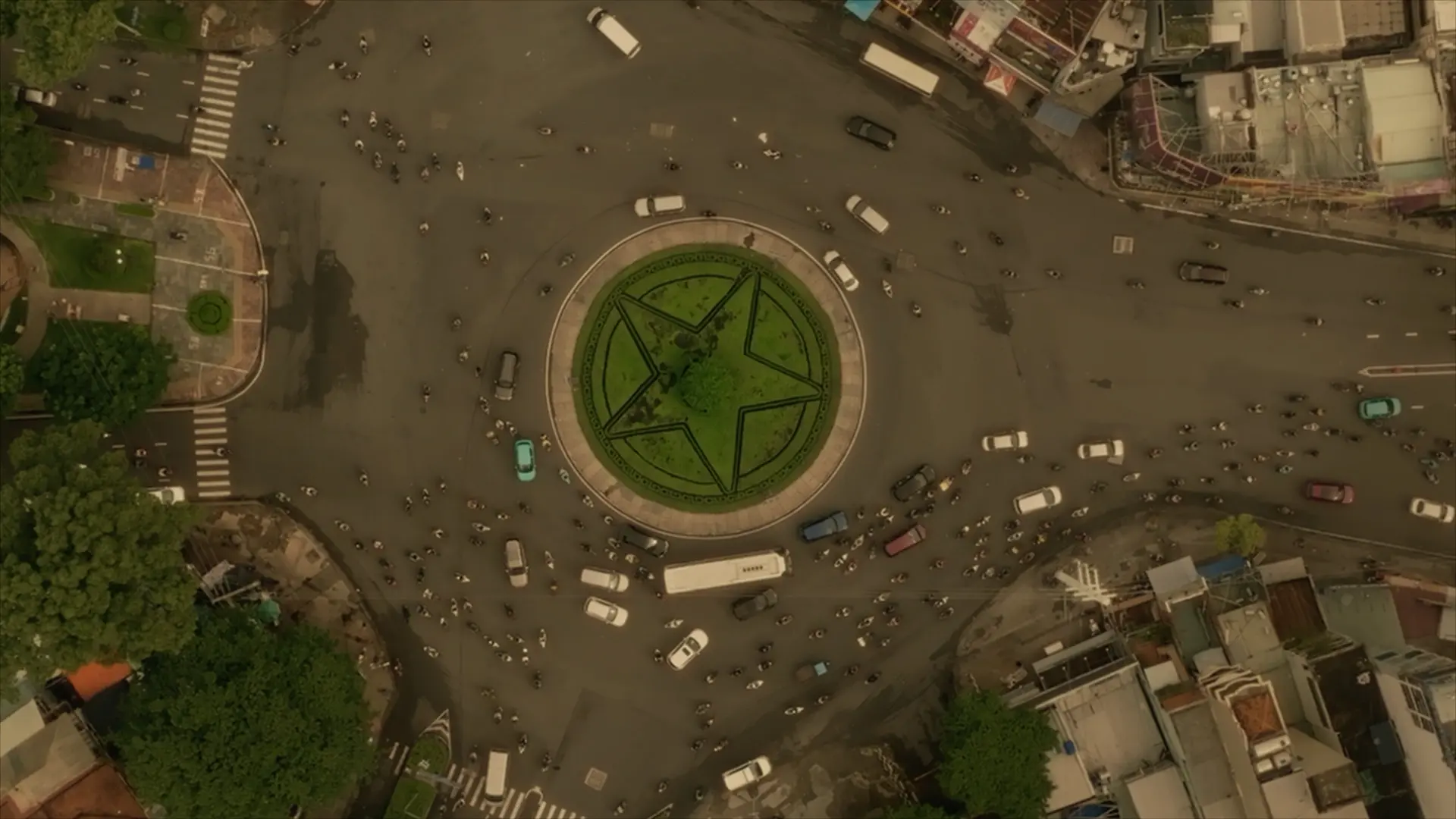
Still Image: Lena Bui, dream(machine, human) (2025)
Dawn Chan: What is your thinking behind your film’s title, dream(machine, human)? The syntax of the title evokes functions used in programming languages, and you have said it is derived from an Abstract Machine Language. Can you explain more how that language would be used by a machine, and how it connects to what is seen in your film?
Lena Bui: I wanted to name the film something along the lines of “machine dreams of human” but written more like a code, so I asked ChatGPT to translate the phrase into machine language. I got many actual codes such as binary, xml, python, etc. however, I wanted something that evokes programming language but is more broad—less of a literal translation.
Abstract Machine Language seemed like a good choice. From my layman’s understanding, it is a simplified set of instructions that describes how a system or computer should work according to logical rules. The details of how this works is then refined through hardware, software, many layers of algorithms, and specific codes. This leaves a lot of room for interpretation depending on how each component—“dream,” “machine,” “human”—is defined in the system, the system here being each viewer’s own definition and understanding.
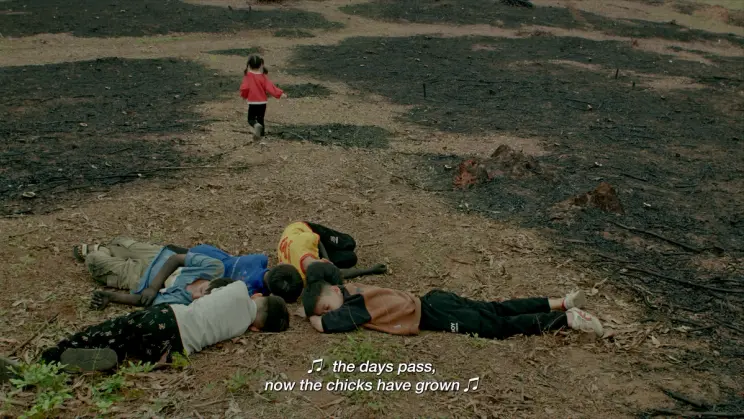
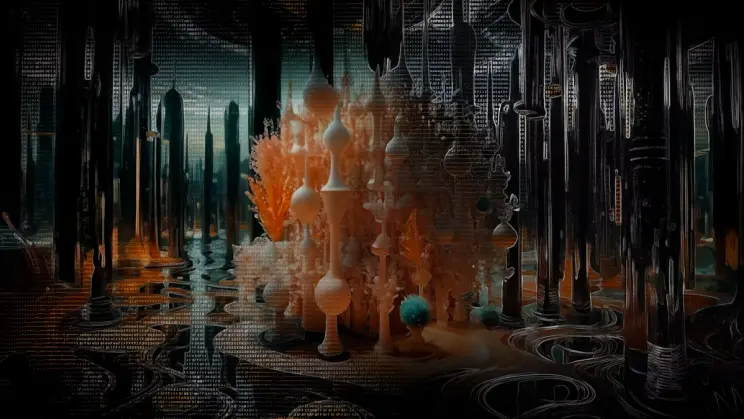
Dawn Chan: Your film seems to play with the free-associative fluidity and illogical sequencing of dreams, with images ranging from children foraging in the jungle, to Floating Lotus Festival celebration footage in Vietnam, to computer-generated images of futuristic towers. How did you think about ordering the sequences of various footage fragments, and creating either connections or non-sequiturs between scenes? Can you give examples?
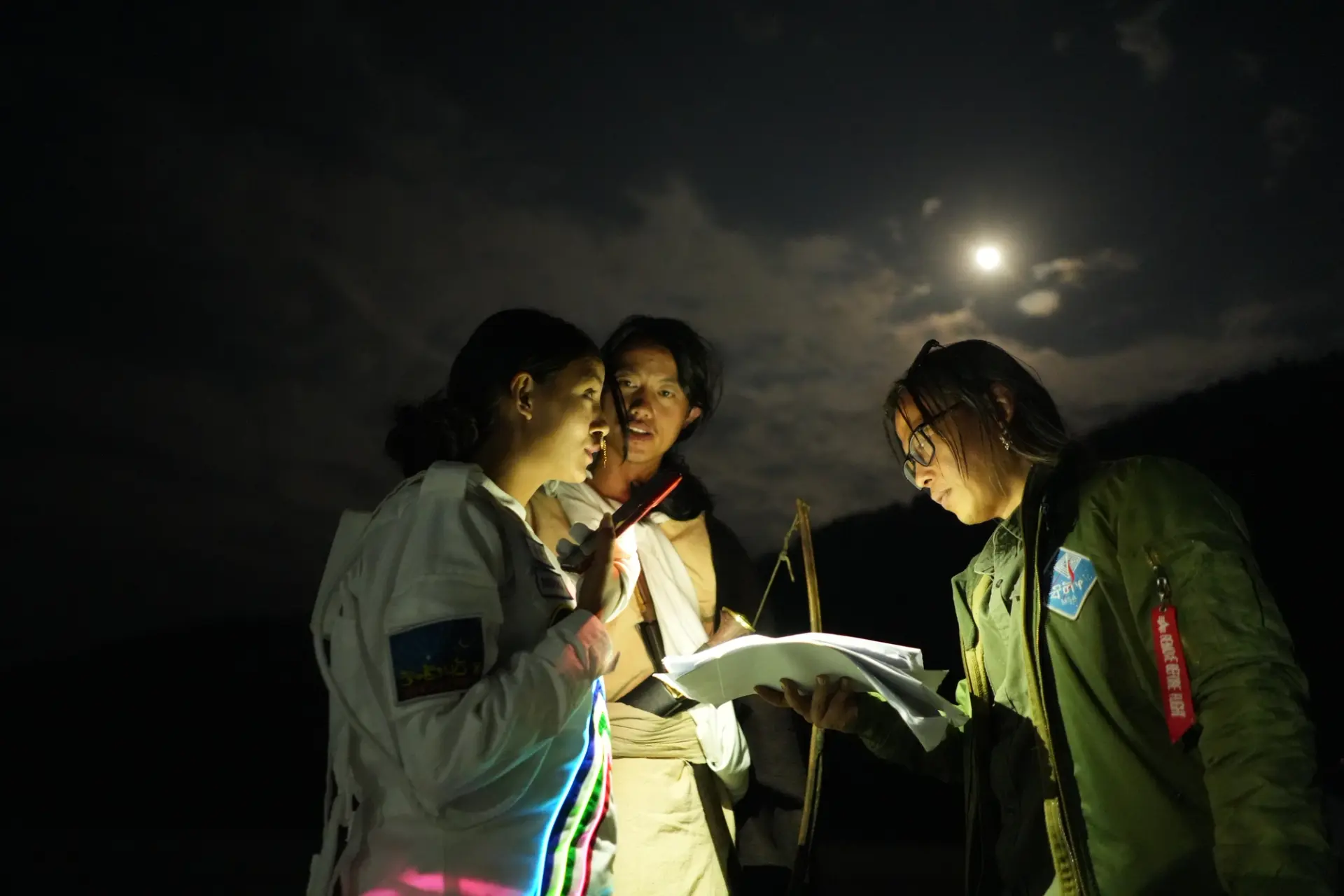
Lena Bui: All of what you see in the film was shot in Vietnam. The first scene is shot at the Ok Om Bok, a Khmer festival to honor the moon in the Mekong.
I chose scenes that are interesting to me, that hold a certain power on their own. For example, the first scene has a certain tenderness—a mother guiding a child to release a lantern and make her own wish or prayer. At the core of this film is a very simple story, of the nurturing and preservation of life.
We naturally make associations between images based on our understanding and experience. It’s not so important to me that people understand why I put one scene next to another. I think if you look at the film as a whole, you will see the images are played like music, with certain rhythms and repetitions. Because of that, they flow.