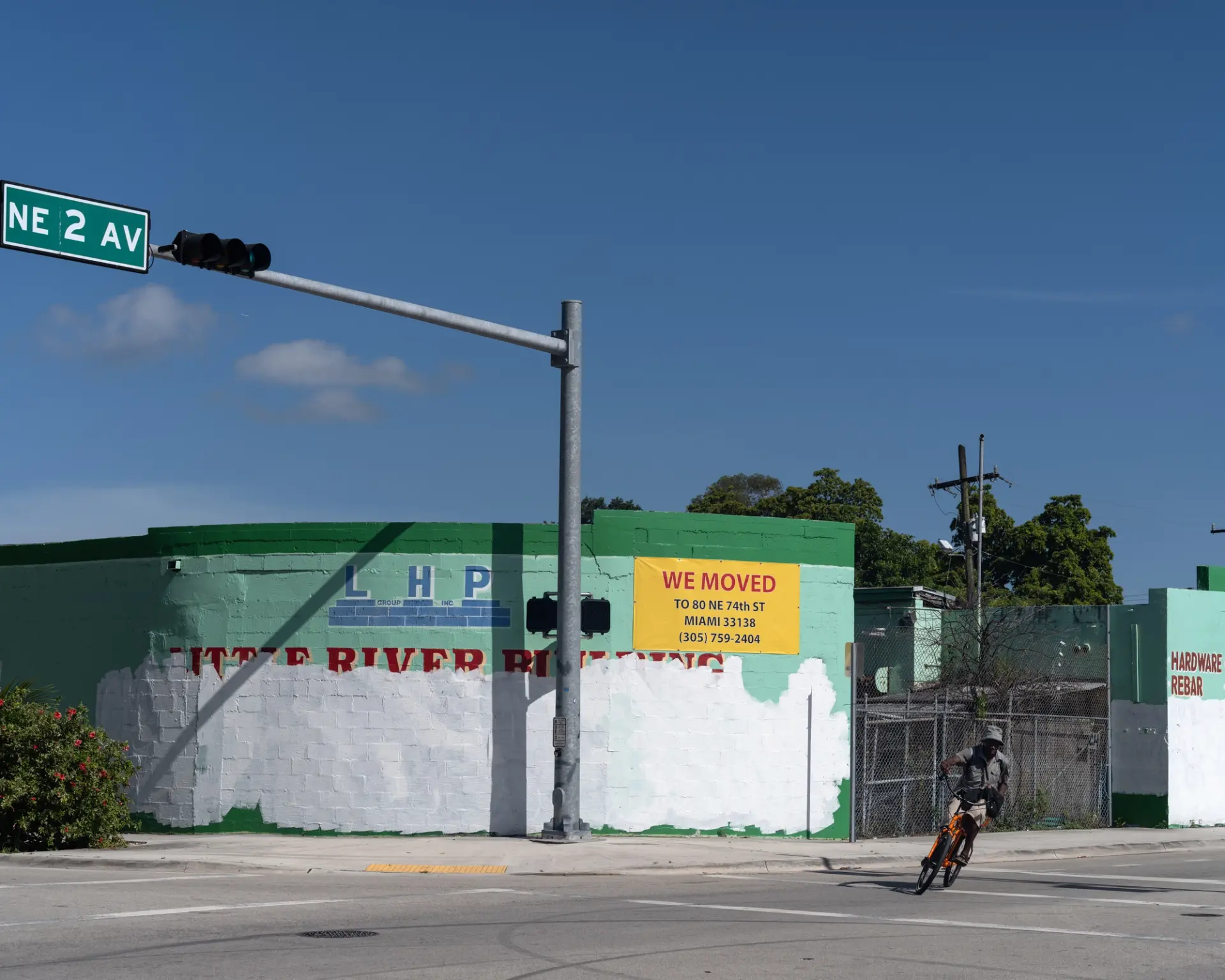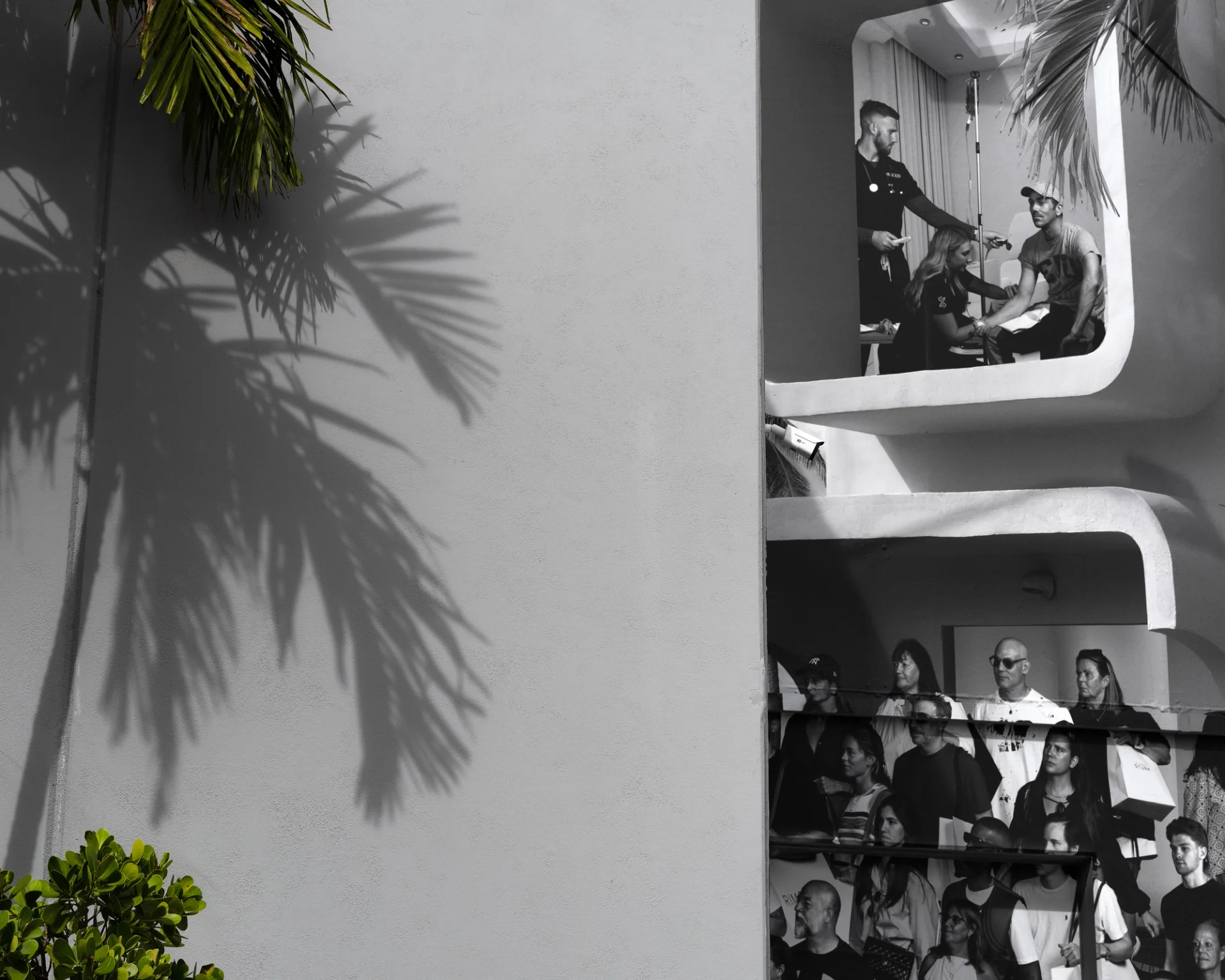
Detail of Photo Mural by JR Studio on Superblue Building in Allapattah, Miami, 2023
Image by Anastasia Samoylova. Commissioned by Hyundai Artlab for Artlab Editorial.
As globally renowned art spaces find a home in the city, Miami's art scene undergoes a dynamic transformation, blending international influences with local narratives. Revisiting memories of the city she once lived in 20 years ago, and reflecting on its changes now that she’s returned, 2023 Artlab Editorial Fellow Laurie Rojas grapples with the delicate balance between cultural resurgence and commercial evolution.
In Miami, change is a relentless tide, sweeping through its art scene with a force that is both euphoric and exhausting. The current wave of change is distinguished by an unprecedented influx of international arts spaces, reshaping the city with a diversity and cosmopolitanism unseen in previous decades. The arrival of globally renowned galleries marks this new pivotal moment.
I recently drifted into Zilberman, a gallery originating from Istanbul and Berlin, who recently opened their first US location here in the Miami Design District, adding a new dimension of international and multidisciplinary programing to the neighborhood’s lush landscape. An intersection of affluence and artivism, the gallery held their second group show of multidisciplinary artists that challenge the narratives of those in power, including Carlos Aires, Omar Barquet, Sandra del Pilar, Itamar Gov, Azade Köker, Larry Muñoz, Yaşam Şaşmazer, and Lucia Tallova.
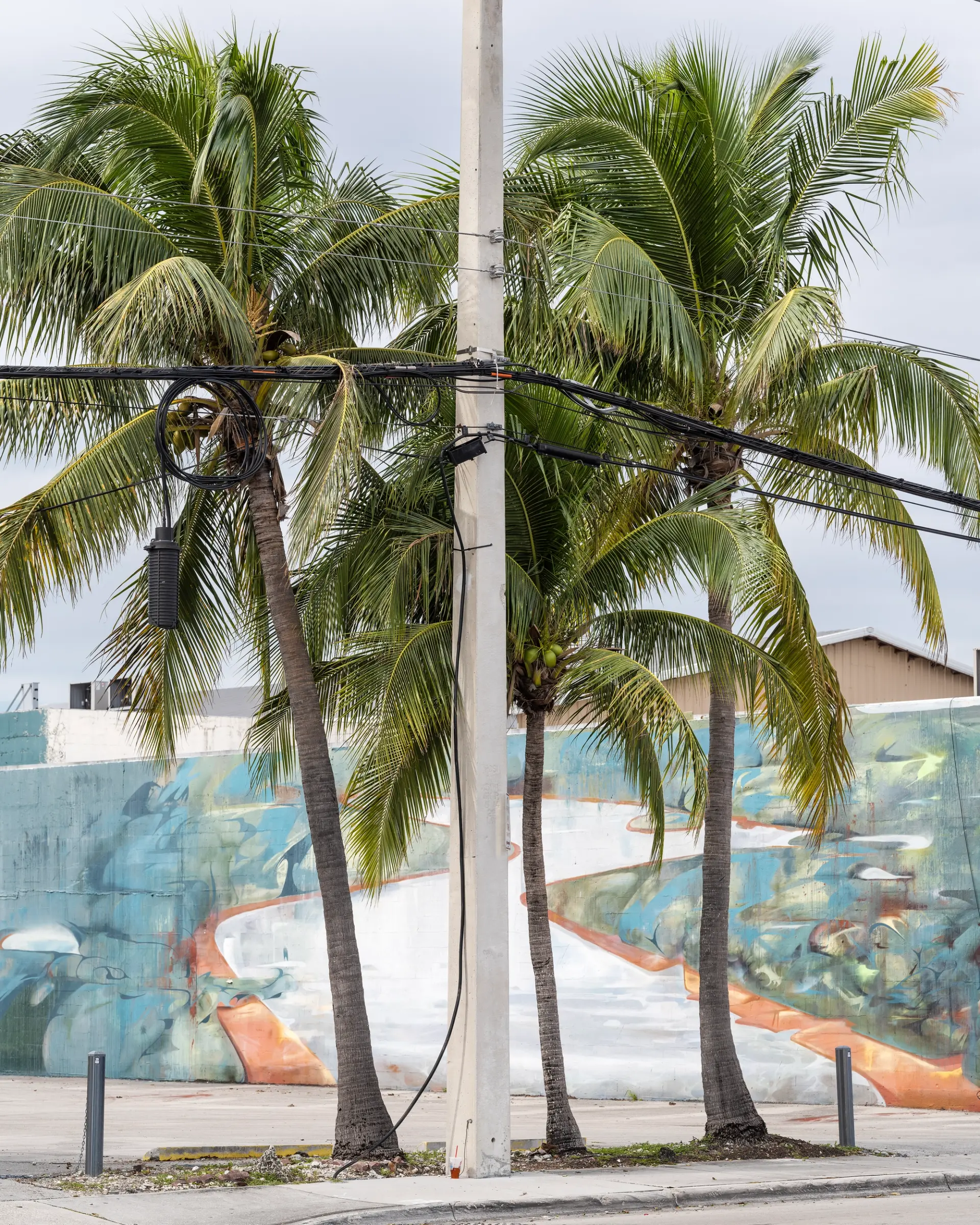
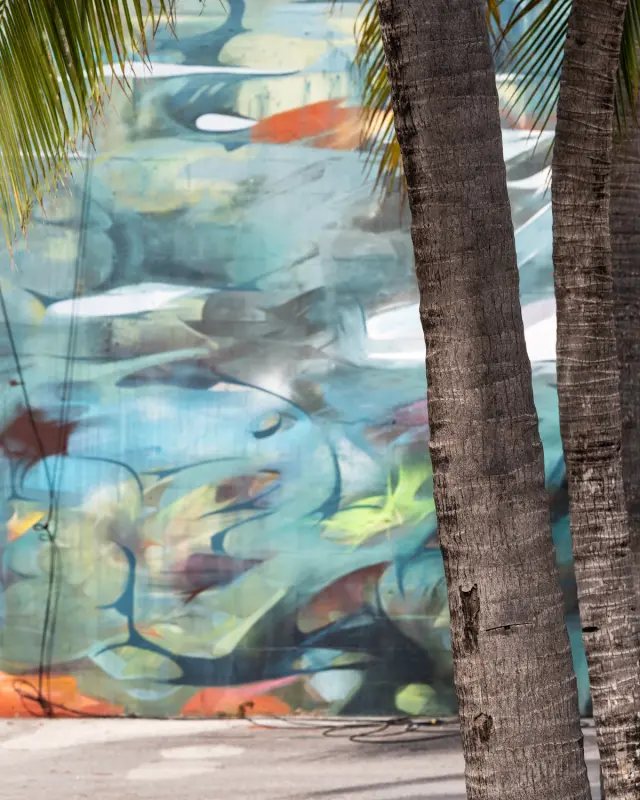
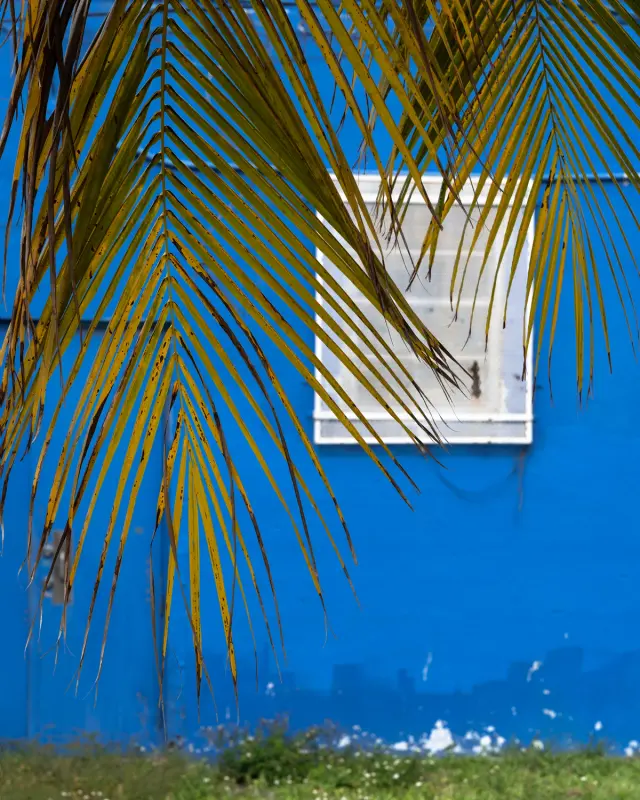
Palms in front of a building on NW 10th st, Allapattah, Miami, 2023
Image by Anastasia Samoylova. Commissioned by Hyundai Artlab for Artlab Editorial.
Pulling up beside a black chrome Lamborghini, I recall my younger self: a wide-eyed art student working in a photography gallery in the area. It was the early days of the neighborhood, which has since been lost and found in the electrifying air of the first Art Basel Miami Beach over 20 years ago. The anticipation then was tangible, a wild current that charged through everyone, which drew me back year after year. Two decades later, after calling Chicago, New York, London, and Berlin my home, I’ve come full circle as one of the many new arrivals seeking reinvention on par with the city’s own constant state of metamorphosis. Glitzy and galvanizing, the fair undeniably served as a catalyst for the city’s dramatic transformation. Major funding from the Knight Foundation and local government to support local artists and spaces followed—ramped up by private initiatives for new museum starchitect buildings—transformed Miami from a scenic escape for snowbirds to a pivotal player on the global art stage.
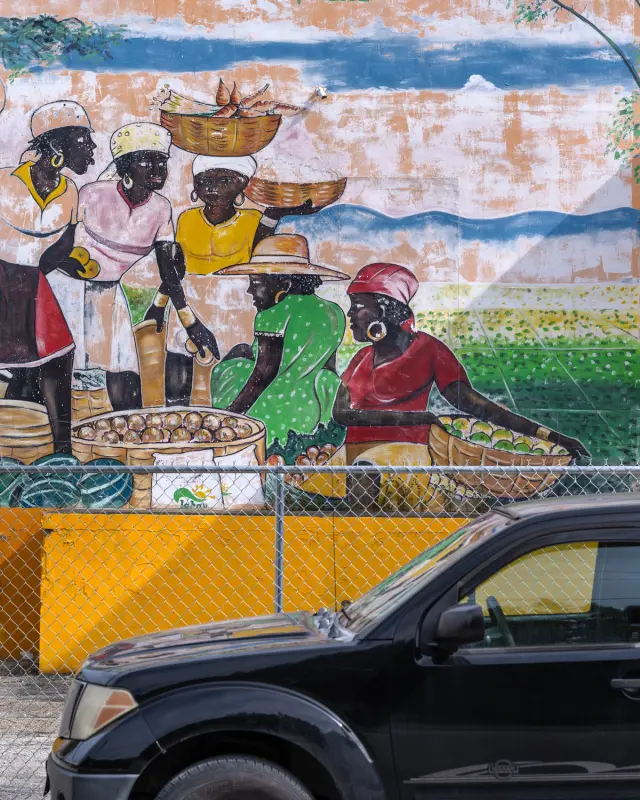
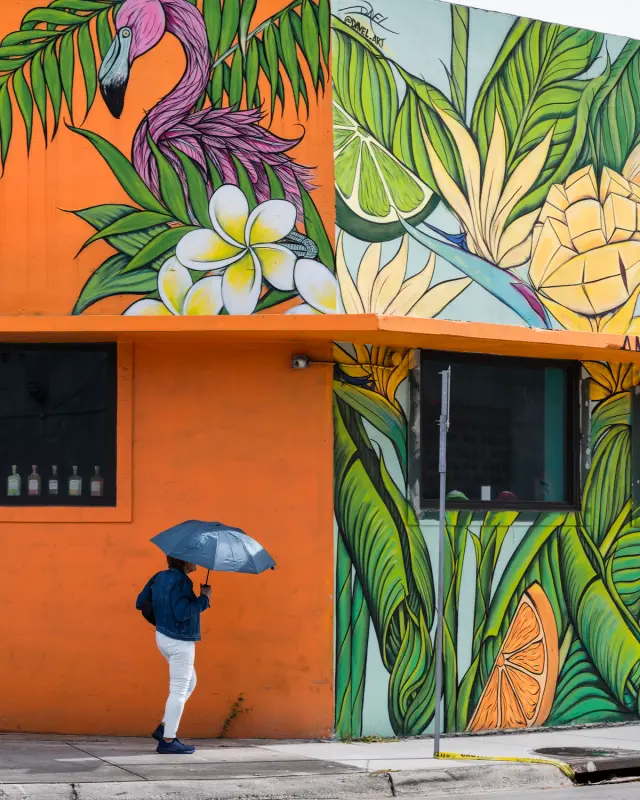
As a result, the spotlight on the mainland is shining again on Allapattah, the neighborhood my father’s family first lived in after leaving Cuba in 1962, where many residences were leveled to build warehouses. Today, Allapattah is known for its private museums and commercial spaces, including the Rubell Museum, Espacio 23 and Marquez Art Projects. However, new and diverse international arts spaces are moving in just down the street, including Galería La Cometa, a linchpin of Latin American art with roots in Colombia extending over three decades and an outpost in Madrid, which opens its first exhibition space in Allapattah this week. Here, the gallery will continue to exhibit influential Ibero-American Modern and Contemporary Art, using Miami to bridge cultures through artistic guardianship. Nothing could be more apropos. Nearby is Voloshyn, a small but mighty beacon of Eastern European art, a first for Miami. Its founders Max and Julia Voloshyn turned their personal upheaval into a new beginning: a wild story where they happened to be in Miami when Russia invaded their country; their gallery in Kviv mutated into a bomb shelter. Their first exhibition features artists exploring the ambiguities of wars. Lesia Khomenko, a Kviv-born artist featured in the show, also happened to be stateside when the war broke out. She has been making new abstract paintings of military footage, following the military portraits of civilians shown at last year’s Venice Biennale.
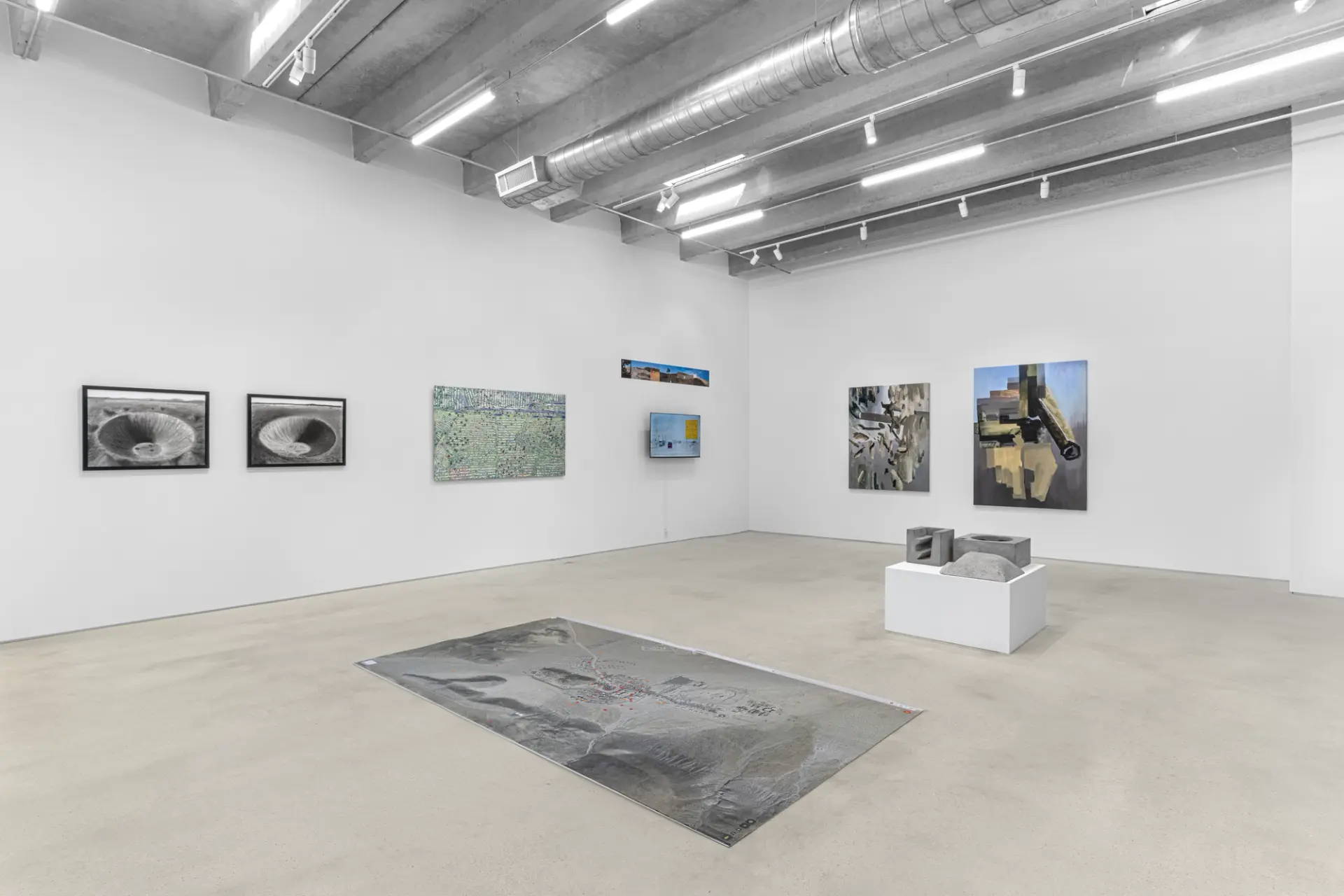
Exposition view of No Grey Zones, Voloshyn Gallery, Miami, FL, US, 2023
Photo by Michael R Lopez. Courtesy of the Voloshyn Gallery
The old Miami is also returning to the area. Andrew Reed Gallery, named after its Miami-raised owner, returns to the city with the opening of his second gallery in Allapattah, which will run alongside his New York program. KDR305, a true homegrown project by Miami-based curator and art advisor Katia David Rosenthal, has relocated from Little Havana to a few steps down from Andrew Reed. Housed in a stand-alone corner in a 1937 building, the spacious 1,200 square foot space provides its artists a much larger white-cube format.
Each new gallery opening, every architectural marvel, signals something different than previous boom eras. The arrival of globally renowned galleries marks a new pivotal moment. As another Miami Art Week approaches, the local art scene reflects a microcosm of the tensions between the lush, resplendent beauty of the landscapes and the sweltering, relentless drive of urban redevelopment. In its rush to redefine, Miami teeters on a knife-edge between cultural renaissance and sterile commodification, embodying the very essence of a sublime yet disconcerting metamorphosis—a city in a thrilling yet precarious dance with its own destiny.