Curatorial teams Hyejin Park & Yoonyoung Park and Yifeng Wei & Penny Dan Xu speak to the Artlab Editor about their experiences throughout the program and their upcoming exhibitions at Hyundai Motorstudio Beijing.
Artlab Editors: The Hyundai Blue Prize+ 2025 awardees discuss their experiences developing their exhibitions throughout the program, their advice for prospective applicants, and what audiences can expect in their upcoming shows.
Established as a laboratory for the evolving role of curators, Hyundai Blue Prize+ invites curators worldwide to explore pressing contemporary issues in connection with the contexts of Asia. Last year’s open call received over 160 exhibition proposals from around the world. From these 160 proposals, five teams were shortlisted to participate in a curatorial program guided by an international jury panel. This included one-on-one mentorship sessions from the jury panel and an in-depth research trip to Beijing, supporting the development of a final exhibition proposal. By November, these five shortlisted teams presented their final proposals to the jury panel.
Following rigorous review, two curatorial teams were selected as the Hyundai Blue Prize+ 2025 awardees, receiving funding and support to stage their exhibitions at Hyundai Motorstudio Beijing, scheduled for mid-2026 and early 2027 respectively.
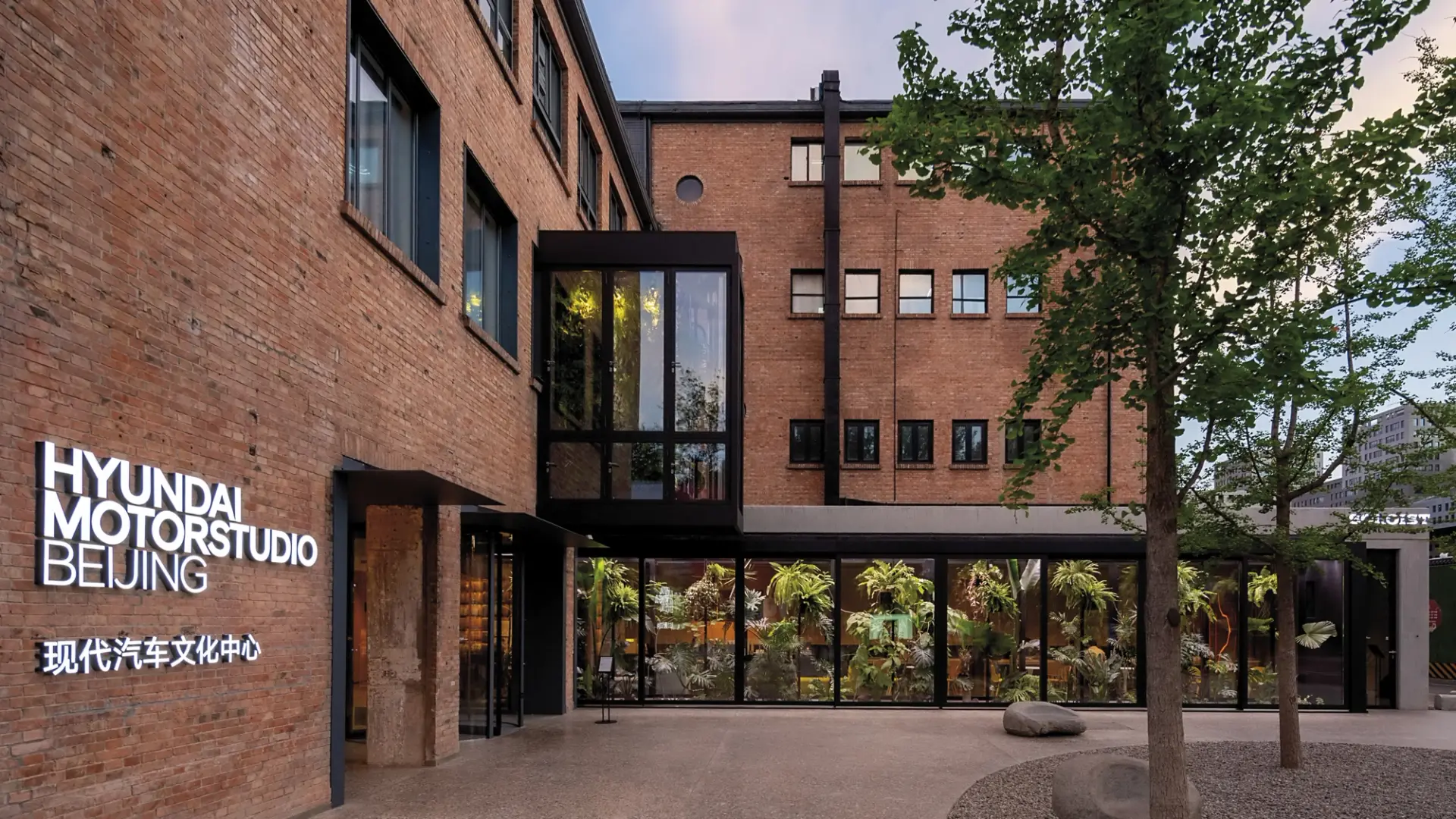
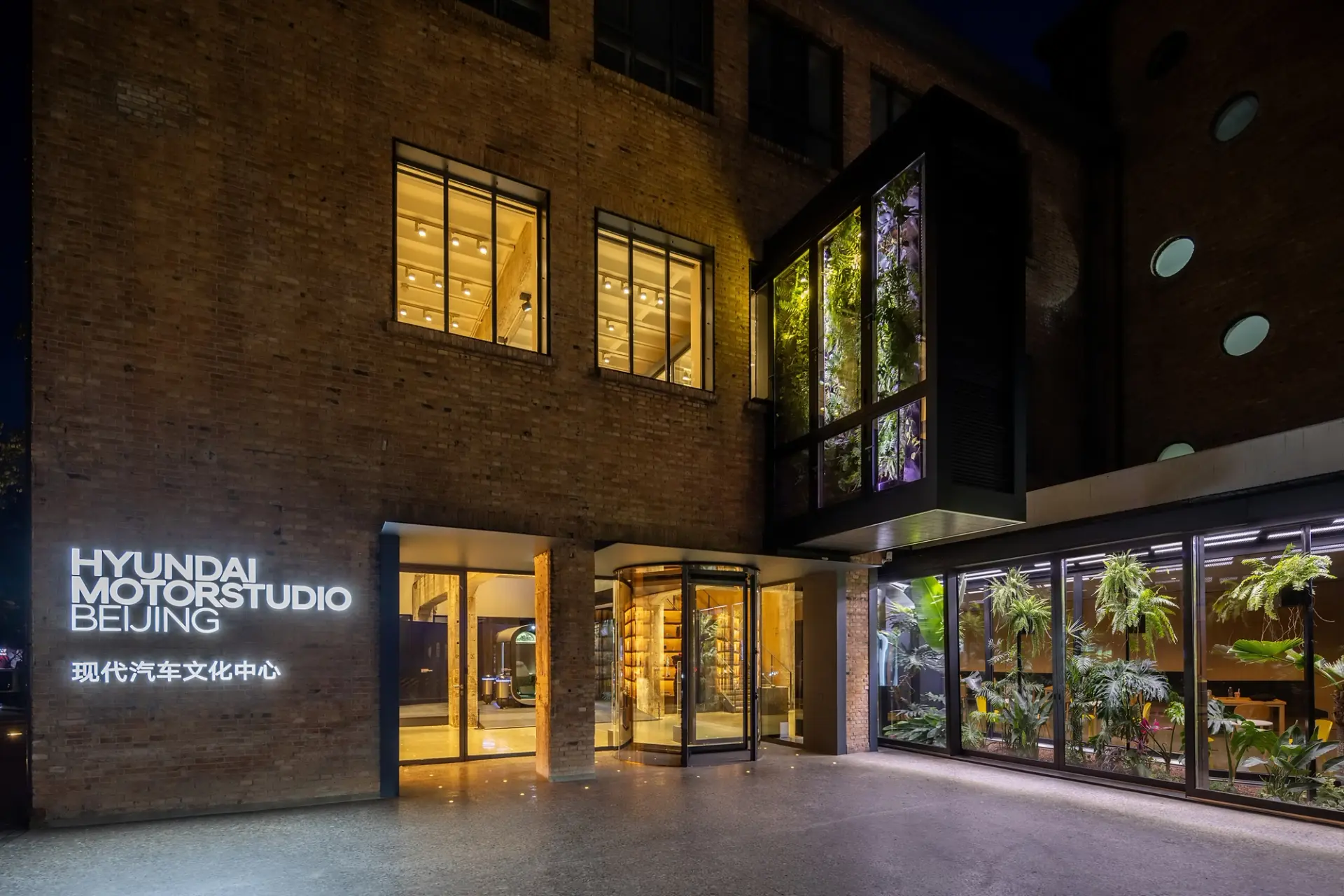
Exterior of Hyundai Motorstudio Beijing.
Photo ⓒ Hyundai Motorstudio Beijing
Hyejin Park & Yoonyoung Park, curators based in Seoul, will unpack AI through the constructive lens of the Capitalocene, examining its connections to broader economic and resource systems. Meanwhile, Yifeng Wei & Penny Dan Xu, curators based in Dublin and London respectively, explore the dissolving boundaries between technology, science, and spirituality.
We spoke to Hyejin Park & Yoonyoung Park and Yifeng Wei & Penny Dan Xu ahead of their exhibitions to learn more about their respective curatorial practices, how their works reflect contemporary Asia, and how Hyundai Blue Prize+ has allowed them to expand their urgent cultural inquiries.
Artlab Editor: How do your prior practices and interests reflect your current curatorial proposal?
Hyejin Park: Our interests have long focused on technology and the systems around it—social, cultural, and political. I became interested in digital culture during the pandemic in 2022, which later led to the exhibition I Do What You Do What They Do in Leipzig. Through that project, I became aware of the different ways people respond to new technologies: in many Asian countries, adoption tends to be fast and open, while in European contexts it is often more cautious. I felt it was important to bring this critical view back into an Asian context. Around the same time, I was reading Kate Crawford’s Atlas of AI and discovered that Yoonyoung had seen Calculating Empires, which became a starting point for shared discussions.
Yoonyoung Park: I have long been interested in artistic practices that work with historical materials and archives from a contemporary point of view. I have also been thinking deeply about the structures of capitalism, for personal reasons as well. Seeing Kate Crawford and Vladan Joler’s large-scale map at the Mori Art Museum in 2025 left a strong impression, especially the way it traced the long history of technology. This experience led me to further question how today’s AI is shaped by past history and social systems, and economic structure. These shared interests naturally came together in our current proposal.
Yifeng Wei: I have consistently engaged in critical reflections on the role of technology, examining both its promises and consequences. My personal interest in spirituality and mysticism also shaped this project. I hold a diploma in tarot reading and regularly facilitate tarot workshops as part of my artistic and research practice.
Many artworks emerge through spiritual or ritualized processes, leading me to explore how art can connect metaphysical thinking with technological critique. Our proposal brings these two worlds together, using art as a space for dialogue and reimagination.
Penny Dan Xu: Throughout my 14 years of experience as a curator, I have collaborated with artists from diverse cultural backgrounds. My practice has consistently been driven by questions that resonate across regions and social contexts. In a recent project, I focused on the “invisible” forces that shape our perceptions and the “absent” elements that give meaning to what is present. These research interests formed the base of our proposal for the Hyundai Blue Prize+. This exhibition brings together artists from China, Indonesia, Canada, the UK, and beyond, whose diverse perspectives offer a rich response to the profound and pervasive concerns raised by technology.
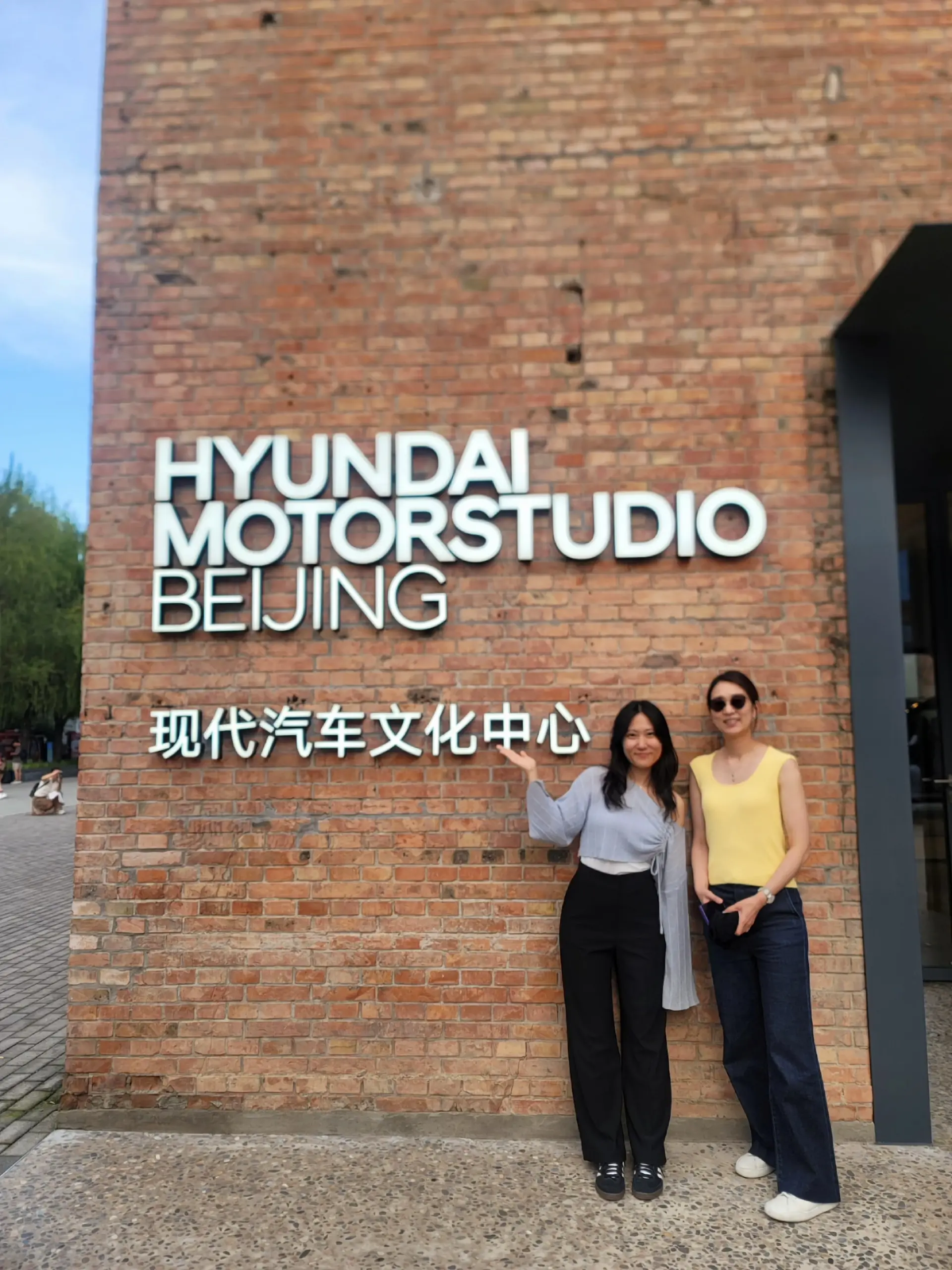
Yoonyoung Park & Hyejin Park in front of Hyundai Motorstudio Beijing
Artlab Editor: Which aspects of your proposal address contemporary pressing issues in Asia?
H Park & Y Park: Our proposal looks at AI through the lens of extraction and how the industry continues patterns rooted in colonial logics. Although we often imagine ourselves as no longer dependent on Western powers, the AI industry is still largely led by US tech giants, while many of the resources—material, labor, and infrastructural—come from elsewhere, including Asia. We wanted to draw this connection clearly and make visible the parallels between historical forms of extraction and their digital counterparts today.
Yifeng Wei & Penny Dan Xu: In this proposal, rather than starting with a purely regional lens, we’re interested in how the rational frameworks that dominate global science and technology have roots intertwined with colonial and patriarchal histories. This reflection is deeply relevant to contemporary Asia, where there’s a growing interest in questioning these inherited paradigms and exploring alternative forms of knowledge overshadowed throughout the progress of civilization. By reinterpreting mysticism and spirituality that have often been marginalized by rigid rationality, we can open a dialogue about different technological futures that resonate more authentically with Asian philosophies and cosmologies.
At the same time, the project responds to a broader tension that is acutely felt across Asia–the growing dissonance between the promises of digital progress and the more ambivalent realities of everyday life. While this tension is global, Asia presents a particularly charged site where accelerated technological development coexists with enduring cosmological traditions. By engaging this intersection, this project aims to articulate pathways through the structural anxieties and uncertainties of the present, opening room to consider other possibilities for how technology might evolve. Overall, our project addresses a pressing contemporary issue—the need for alternative, non-Western perspectives on technology that embrace a broader range of worldviews.
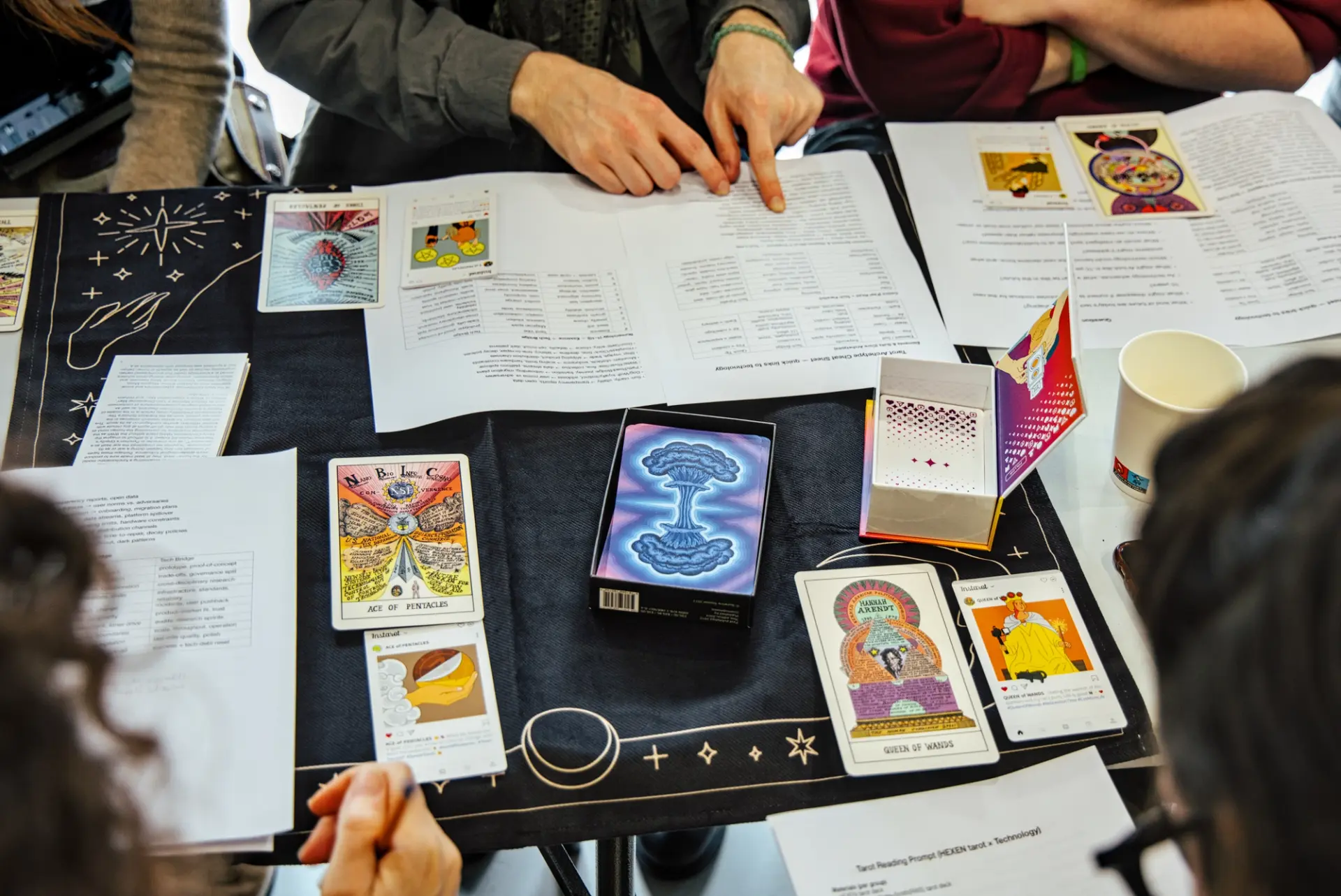
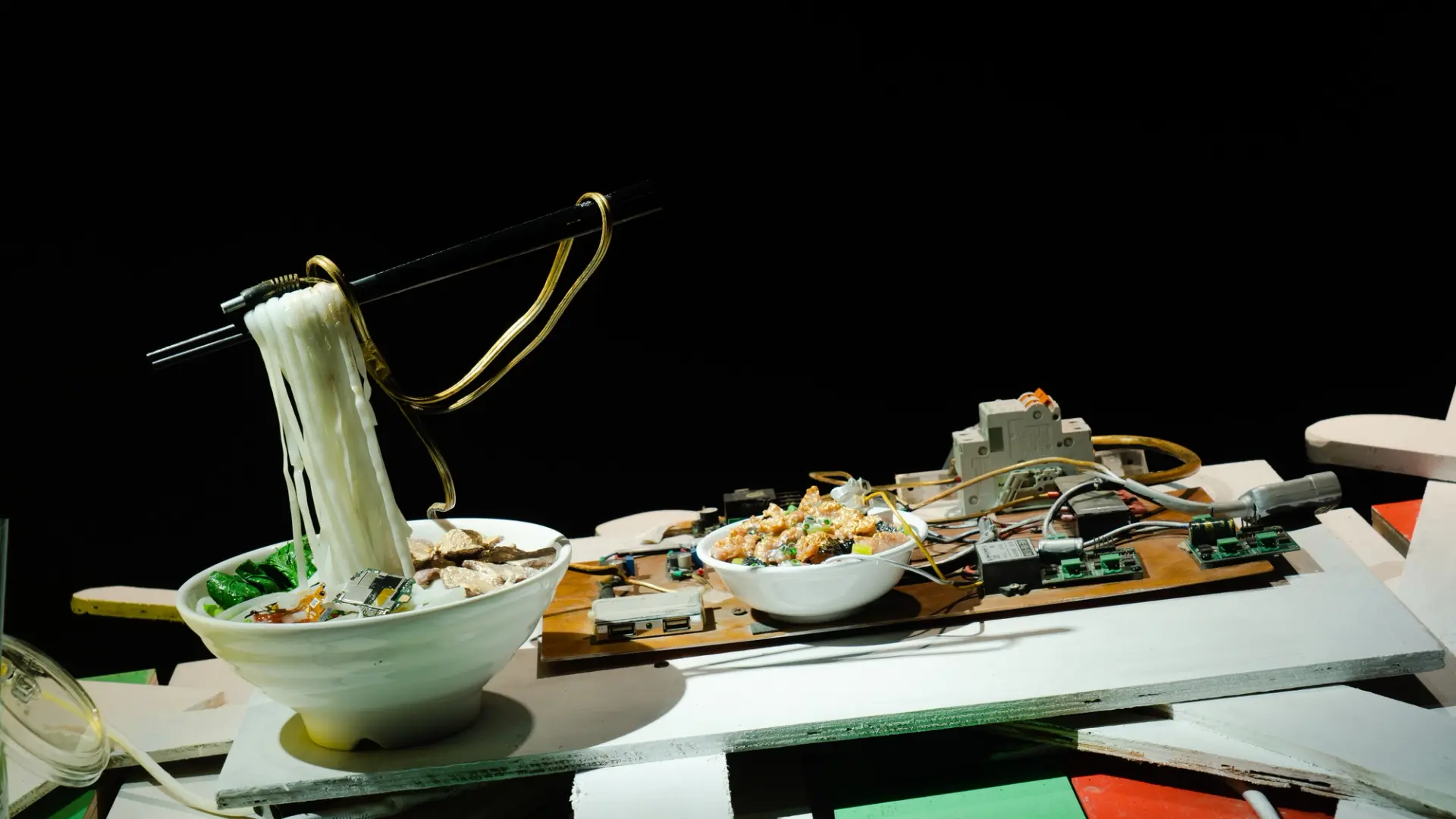
Yifeng Wei & Penny Dan Xu, Tarot Workshop, Reading Technology’s Fortune.
Artlab Editor: The Hyundai Blue Prize+ emphasizes the importance of mentorship in the curatorial ideation process. How did the mentorship process help you refine your proposal and learn more about what it means to be a curator? Would you like to share any pieces of advice from your one-on-one discussions with the jury panel that particularly resonated with you?
H Park & Y Park: Each mentorship session contributed something distinct because each mentor approached our proposal from a different background. Our first session with Christiane Paul helped us visualize the exhibition more concretely, and her remark that “the essence of curating is in the space” stayed with us. The session with Philip Tinari gave us a clearer sense of the Beijing art scene and the context of the 798 Art District. Frances Morris encouraged us to look at the proposal from the opposite angle, which helped us reflect in a more balanced and objective way. Jochen Eisenbrand pushed us to consider a wider range of artists and the diversity of media. Our final session with Carol Huh helped refine the proposal specifically within the context of Asia. As practitioners working in the same field, it was above all a meaningful time of shared understanding and reflection. Looking back, it felt valuable to speak together about the concerns and questions we collectively face. We extend our gratitude to everyone.
Wei & Xu: The mentorship process has been invaluable to us. Beyond offering guidance on our proposal, it provided a rare opportunity to learn more broadly about curatorial practice within leading art institutions, including the practical challenges curators encounter in their daily work and the ways they navigate institutional, spatial, and audience-related concerns. These conversations helped us better understand how to work as a mediator between artworks, institutions, and diverse publics.
During the mentorship sessions, the jury members offered insights from multiple perspectives, ranging from the relationships between works to exhibition design. One piece of advice that resonated particularly strongly was the importance of caring for audiences from different backgrounds and imagining how the exhibition might be experienced by various communities. As writers and scholars, our initial curatorial text was perhaps too polished and conceptually dense, and in doing so, we risked unintentionally excluding audiences with diverse levels of literacy and knowledge backgrounds. This feedback prompted us to rethink not only how we write, but how we communicate ideas spatially and sensorially. It has ultimately pushed us to develop a proposal that is more open, attentive, and generous in its approach to audience engagement.
Artlab Editor: What questions or feelings do you want audiences to walk away with after examining your exhibition? If you could share one comment about the exhibition you will present, what would it be?
H Park & Y Park: We want audiences to walk away realizing that AI is not what it appears to be on the surface. AI is not merely a technology; it depends on specific costs, conditions, and invisible systems to be sustained and made operational. Questions about what it means to live with AI, and what is required behind the scenes to support it, are issues we repeatedly confronted throughout the preparation of the exhibition.
The exhibition also poses perceptual and affective questions that inevitably arise as we come to coexist with AI: What are you seeing? What are you feeling? And is it truly real? Responding to these questions requires confronting AI directly, engaging in self-reflection, and reconsidering the core of what it means to be human. While new technologies open up certain possibilities and futures, their direction and expansion are ultimately determined by human choice.
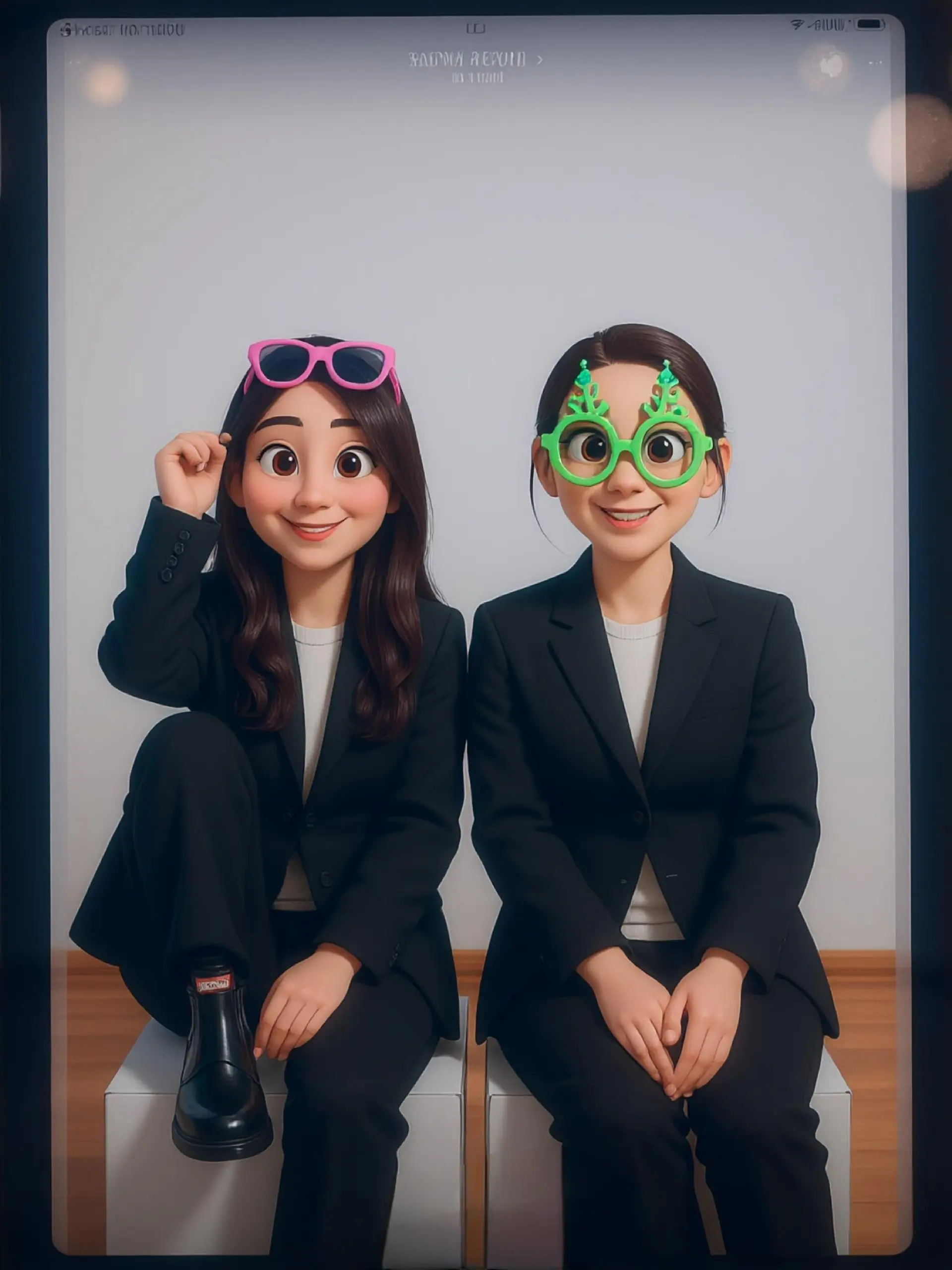
AI-generated profiles of Yoonyoung Park & Hyejin Park.
Wei & Xu: What we hope most is that the audience walks away with a deeply embodied and almost unexplainable experience, something that goes beyond simply seeing or hearing art. We want them to feel as though they have participated in a ritual rather than visited an exhibition. Instead of viewing or interacting with artworks in conventional ways, we hope the works will guide audiences into a process that resembles a cleansing or meditative practice, prompting them to question their understanding of the world and to consider whether there are gentler and more holistic ways of thinking about technology and its future. It is a place where visitors can step away from purely rational habits of thought and enter a more reflective and almost sacred mode of engagement.
Artlab Editor: From applying for Hyundai Blue Prize+ 2025 to preparing for the exhibition, what parts of this process have felt the most distinctive to this program? What would you like to say to curators who are considering applying for Hyundai Blue Prize+?
H Park & Y Park: This program felt special because the entire process unfolds over a long duration. It is not simply a matter of submitting an idea and waiting for a result; it requires genuinely committing to the exhibition through extensive research and discussion. The research trip is something most award programs do not offer, and seeing the exhibition venue in person immediately made the project feel real. Meeting and spending time with the other finalists also became an important part of the experience.
The mentorship was definitely the most important and valuable aspect of this program. Guidance from experienced professionals pushed us to deepen our thinking and expand our curatorial capacities. Each stage required serious commitment, and while the process was challenging at times, the outcome felt all the more significant.
Equally distinctive was the competition’s openness: proposals were assessed solely on their merit, without restrictions related to age, nationality, or affiliation. The structure encouraged meaningful encounters with diverse curators and fostered an atmosphere centered on shared growth rather than competition.
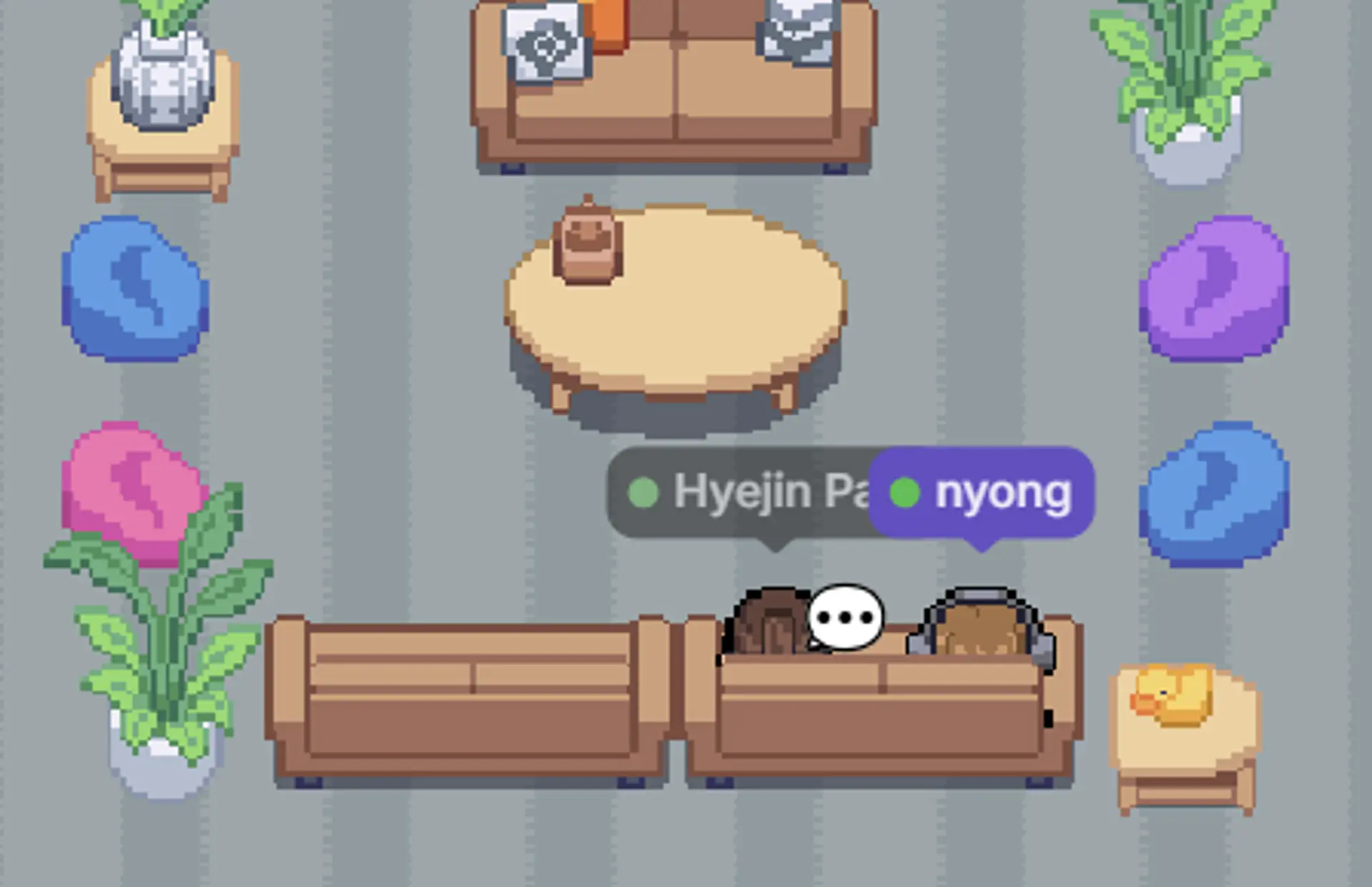
Hyejin Park & Yoonyoung Park Meeting Inside “Gather.”
Wei & Xu: What truly sets this program apart from other awards is the dynamic nature of the entire process. From the moment you apply, the project is never fixed or rigid; instead, it evolves continuously as you move through each stage of the experience. Looking back, we can clearly see how much our initial proposal has grown and transformed. Through the constructive mentorship sessions and research tour, the project has acquired new dimensions and depth that extend far beyond the original concept. This kind of ongoing development is immensely valuable, especially compared to awards where you are selected and the proposal remains unchanged. Here, the project stays alive, supported by generous guidance and sustained dialogue.
For any curators considering applying, we would genuinely encourage you to take the step. Don’t worry about whether you feel “ready enough.” Bring your idea, no matter how simple it may seem, and allow it to mature throughout the process. It is truly a journey worth undertaking.