LACMA
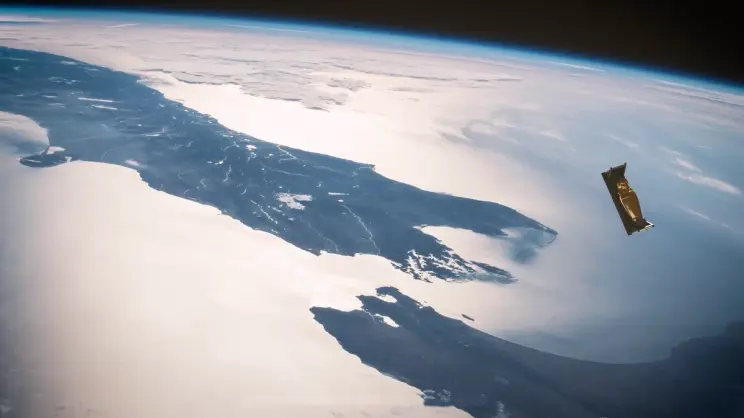
Tavares Strachan, ENOCH (display unit), 2015-2017, Isolated Labs, created in collaboration with LACMA as part of the Art+Technology Lab initiative. ⓒ Tavares Strachan, photo ⓒ Museum Associates/LACMA.
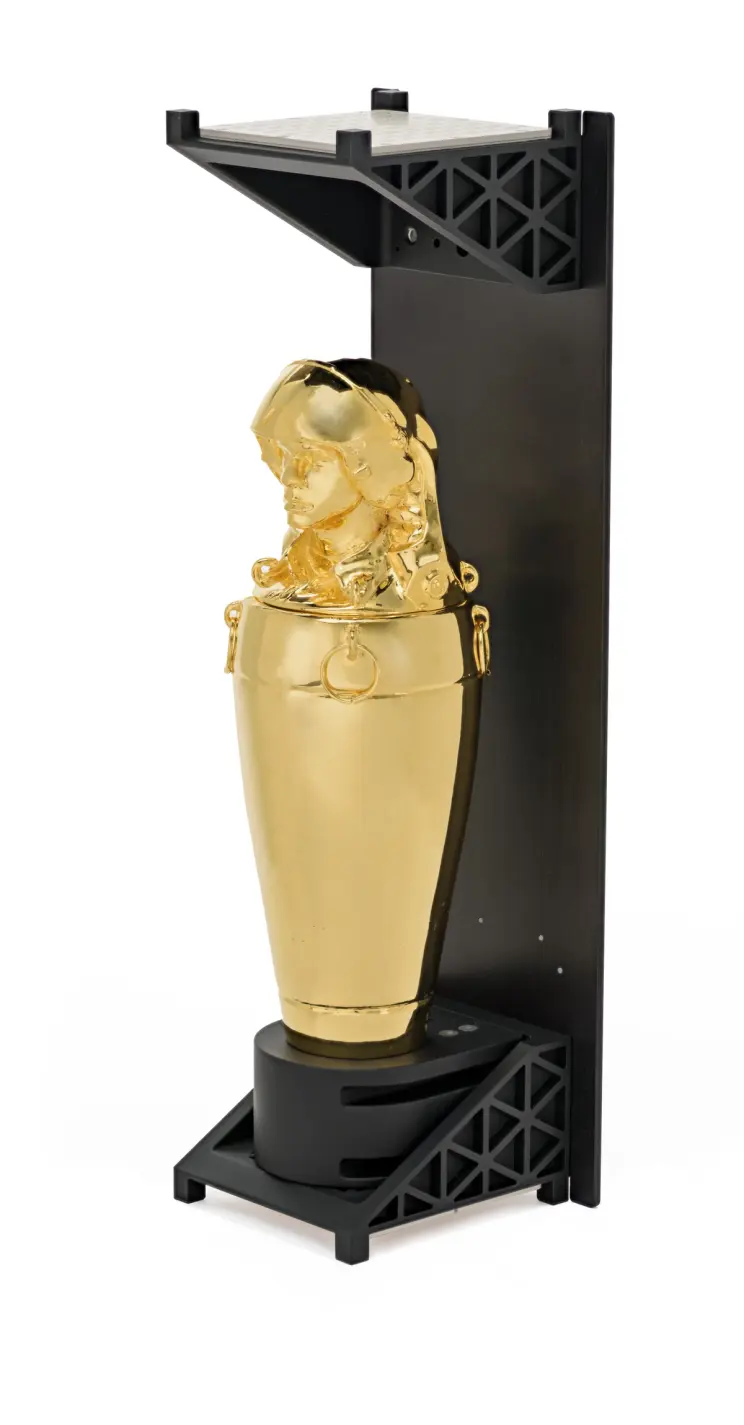
Tavares Strachan, ENOCH (display unit), 2015-2017, Isolated Labs, created in collaboration with LACMA as part of the Art+Technology Lab initiative. ⓒ Tavares Strachan, photo ⓒ Museum Associates/LACMA.
About the Exhibition
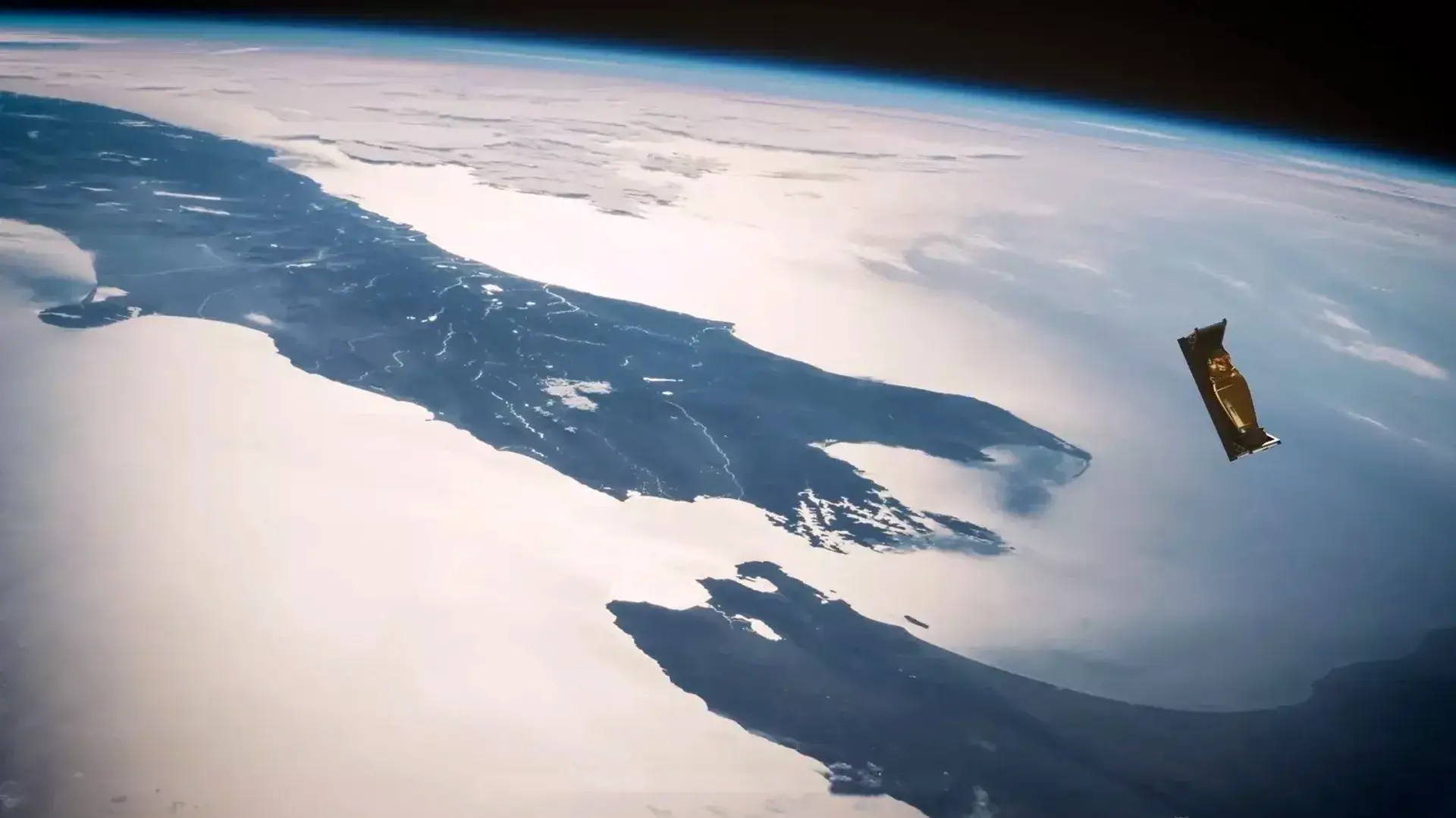
Created in collaboration with LACMA and SpaceX, LACMA Art + Technology Lab grant recipient Tavares Strachan was inspired to build “ENOCH”—a nanosatellite—to shed light on the neglected history of Robert Henry Lawrence Jr., the first African American astronaut selected for any national space program.
First launched in December 2018, “ENOCH” orbited the Earth in a sun-synchronous trajectory for three years before reentering the atmosphere in December 2021. The project draws inspiration from a diverse set of topics, including overlooked historical narratives, ancient Egyptian tradition, Shinto rituals, and the history of exploration. The project also traces back to Strachan’s 2014 meeting with SpaceX’s President and COO Gwynne Shotwell, an advisor to LACMA’s Art + Technology Lab, who encouraged the artist to use technology to push his art practice in new directions.
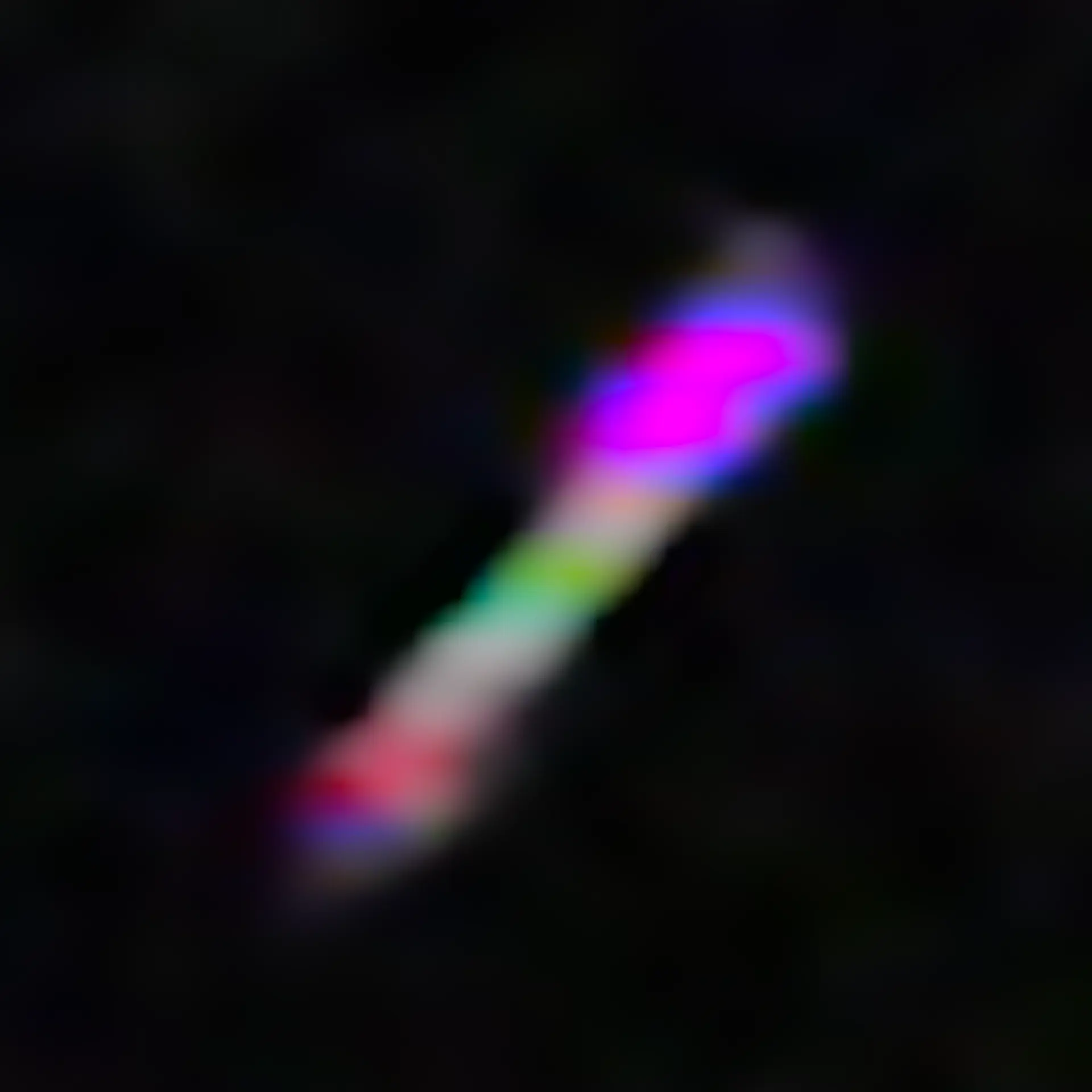
The satellite launched via Spaceflight’s SSO-A: SmallSat Express mission from Vandenberg Air Force Base on a SpaceX Falcon 9 rocket. Communication with the satellite was established by LACMA’s engineering team in December 2018 and January 2019 from the Hat Creek Radio Observatory in Northern California, confirming its successful deployment.
About the Artist
Tavares Strachan (b. 1979, Nassau, Bahamas) is an artist exploring themes including aeronautical and astronautical science and deep-sea exploration, often serving as allegories to reveal narratives about cultural displacement, human aspiration, and mortal limitation. Strachan has an ongoing interest in outer space and under water, with a specific focus on orthostatic tolerance—the body’s ability to circumvent hypotension and withstand pressure during gravitational stress, often caused by quick changes of altitude, or the more extreme circumstances of being launched into the earth’s stratosphere or submerged to the oceans’ depths.
Strachan’s research in space sciences extended to hands-on training at the Yuri Gagarin Russian State Science Research Cosmonaut Training Center in Star City, Russia; a journey to the Arctic in commemoration of the 1909 journey of African-American explorer Matthew Henson; and a residency at the Massachusetts Institute of Technology, where he worked with some of the institution’s cutting-edge scientists. It also led to the establishment of the nascent Bahamian Aerospace and Sea Exploration Center in the Bahamas (BASEC). In the course of working with BASEC, Strachan has made several rockets wholly from Bahamian natural resources (glass from beach sand; fuel from sugarcane) and launched them 15 to 20 miles into the earth’s stratosphere, before collecting and presenting their fallen remnants as sculptural relics.
Strachan’s work has been featured in numerous solo exhibitions including You Belong Here, Prospect 3. Biennial, New Orleans; The Immeasurable Daydream, Biennale de Lyon; Polar Eclipse, The Bahamas National Pavilion 55th Venice Biennale, Venice; Seen/Unseen, Undisclosed Exhibition, New York; and Orthostatic Tolerance: It Might Not Be Such a Bad Idea if I Never Went Home Again, MIT List Visual Arts Center, Cambridge; among others. He has been the recipient of numerous awards including the John D. and Catherine T. MacArthur Foundation Fellowship (2022), Artist in Residence at the Getty Research Institute (2019-2020), Frontier Art Prize (2018), the Allen Institute’s inaugural artist-in-residence (2018), LACMA Art + Technology Lab Artist Grant (2014), Tiffany Foundation Grant (2008), Grand Arts Residency Fellowship (2007), and the Alice B. Kimball Fellowship (2006).
About the Program
LACMA Art + Technology Lab
The LACMA Art + Technology Lab supports experiments in design, creative entrepreneurship, adventures in art and industry, collaboration, and interdisciplinary dialogue. Inspired by LACMA’s seminal Art and Technology Program (1967–1971), which paired prominent artists such as Claes Oldenburg and Andy Warhol with the resources of major corporations, the program was revived in 2015 as part of The Hyundai Project at LACMA, our ten-year partnership with the museum. The Lab provides grants, in-kind support, and facilities at the museum to support the progress of artist projects that take purposeful risks, and to foster innovation and collaboration across disciplines.
Take a Closer Look
Editorial Article
LACMA Art + Technology Lab: Then, Now, and Next